
Echoes of the Empire: 5 Best Books on Russian History for 2026
Russian history is a sprawling epic of paradoxes—grandeur and tragedy, opulence and famine, artistic brilliance and political repression. To understand Russia is to look beyond the headlines and explore a civilization that has consistently reinvented itself across centuries, from the imperial heights of the Tsars to the ideological iron of the Soviet era.
Drawing from my background in content strategy and a deep appreciation for complex narratives, I’ve curated these five masterpieces that offer both the “global vision” of scholarly research and the “human scale” of individual lives caught in the gears of history.
The 5 Best Books On Russian History
1. Natasha’s Dance: A Cultural History of Russia
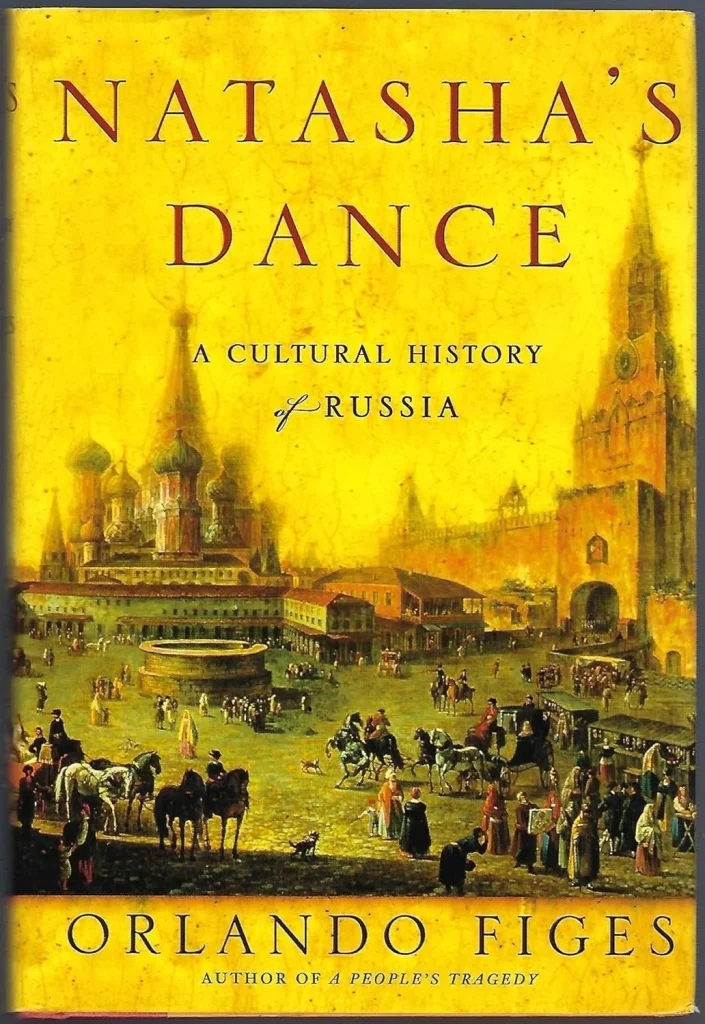
Author: Orlando Figes
Publication Date: October 17, 2003
My Review
Orlando Figes delivers an “enchanting masterpiece” that explores what it means to be Russian. He interlinks the high art of Tolstoy, Dostoevsky, and Stravinsky with the customs of daily life—folk embroidery, peasant songs, and religious icons.
This book is highly recommended for those who want to understand the “spiritual essence” of a nation that has unified a vast, contradictory landscape through a shared, powerful culture that outlasts its rulers.
2. Lenin’s Tomb: The Last Days of the Soviet Empire
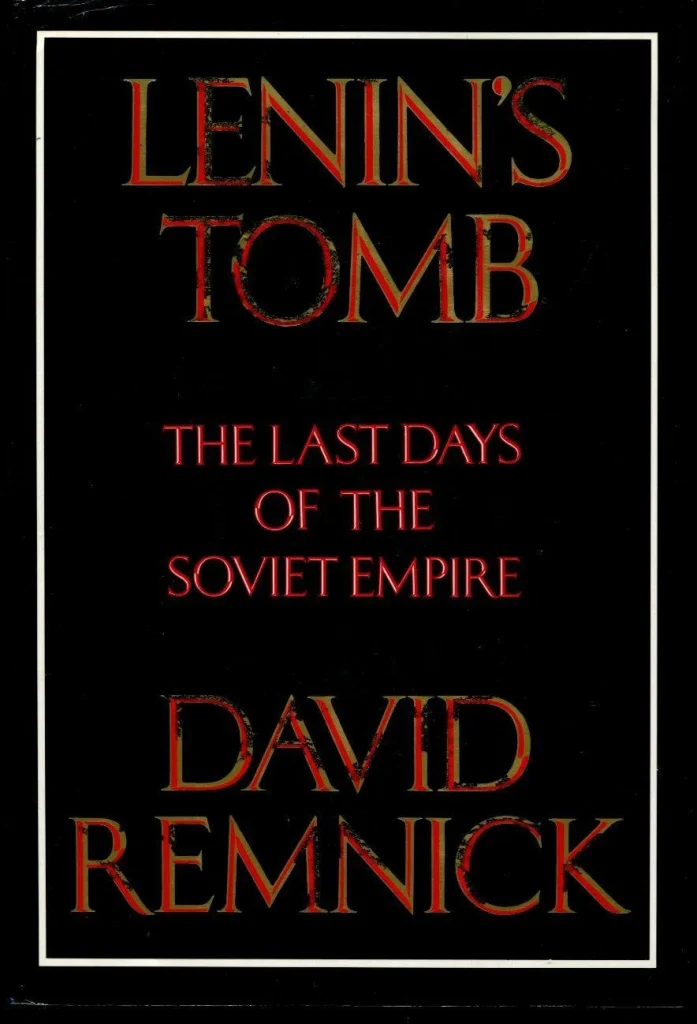
Author: David Remnick
Publication Date: April 26, 1994
My Review
Winner of the Pulitzer Prize, David Remnick’s account of the collapse of the Soviet Union is the standard-bearer on the subject. He combines eyewitness journalism with historical scholarship, giving voice to activists, Party members, and figures like Gorbachev and Yeltsin.
This book is highly recommended for its immediacy and its extraordinary portrait of an empire undone, providing essential context for the Russia we see today.
3. Nicholas and Alexandra
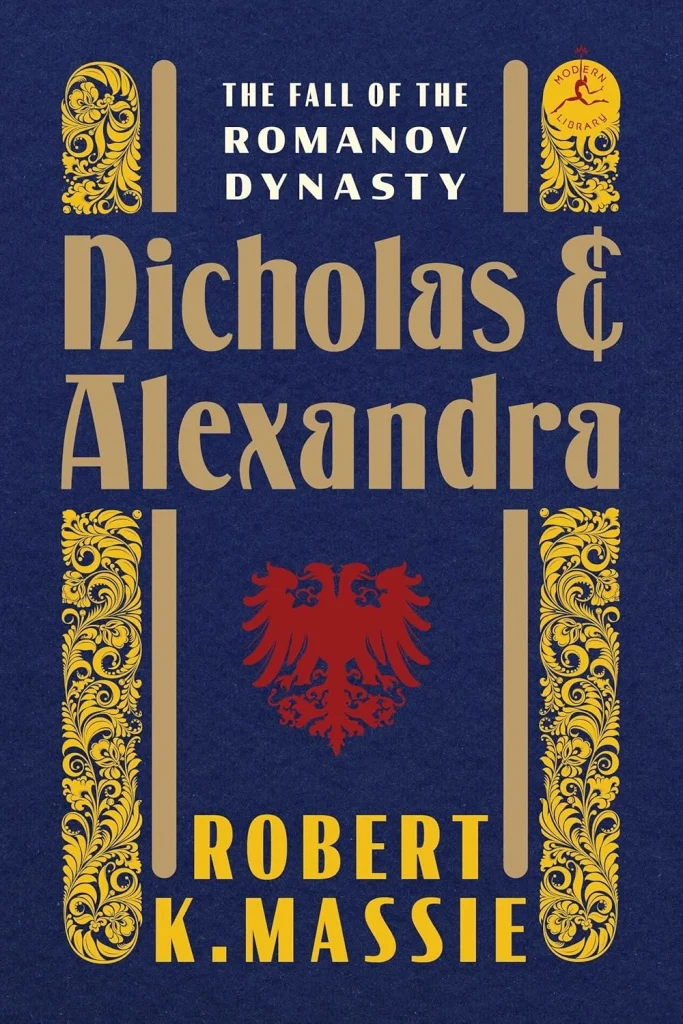
Author: Robert K. Massie
Publication Date: February 1, 2000
My Review
Robert K. Massie provides a spellbinding, intimate account of the fall of the Romanov dynasty. He moves past dry political analysis to focus on the personal drama: Nicholas’s political naïveté, Alexandra’s obsession with Rasputin, and the family’s heartbreaking struggle with Alexis’s hemophilia.
It is a moving, rich book that captures the bizarre melodrama of a doomed empire and the death-marked royals who watched it crumble amidst a backdrop of luxury and intrigue.
4. The Whisperers: Private Life in Stalin’s Russia
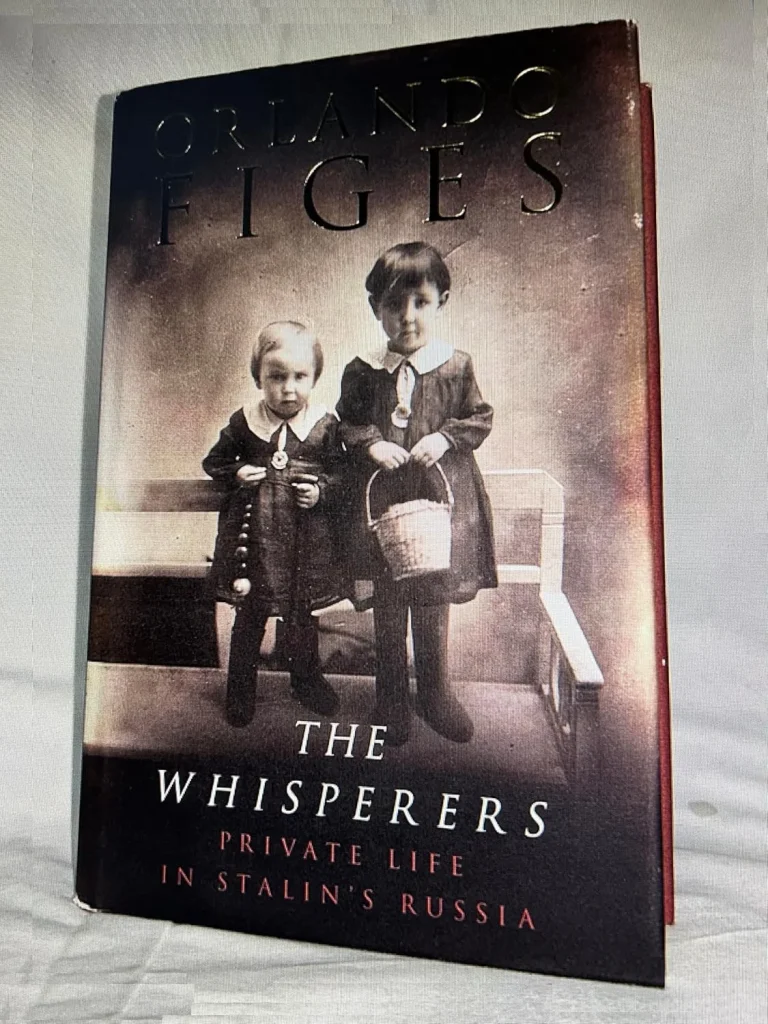
Author: Orlando Figes
Publication Date: November 25, 2008
My Review
In this “triumphant act of recovery,” Figes chronicles the private history of family life under Josef Stalin. Drawing on a vast collection of interviews, he re-creates a society of paranoia and treachery, where family members were turned against one another and everyone spoke in whispers.
It is a rigorously compassionate and humbling monument to the endurance of the Russian people during a reign of violence and repression.
5. A People’s Tragedy: The Russian Revolution: 1891-1924
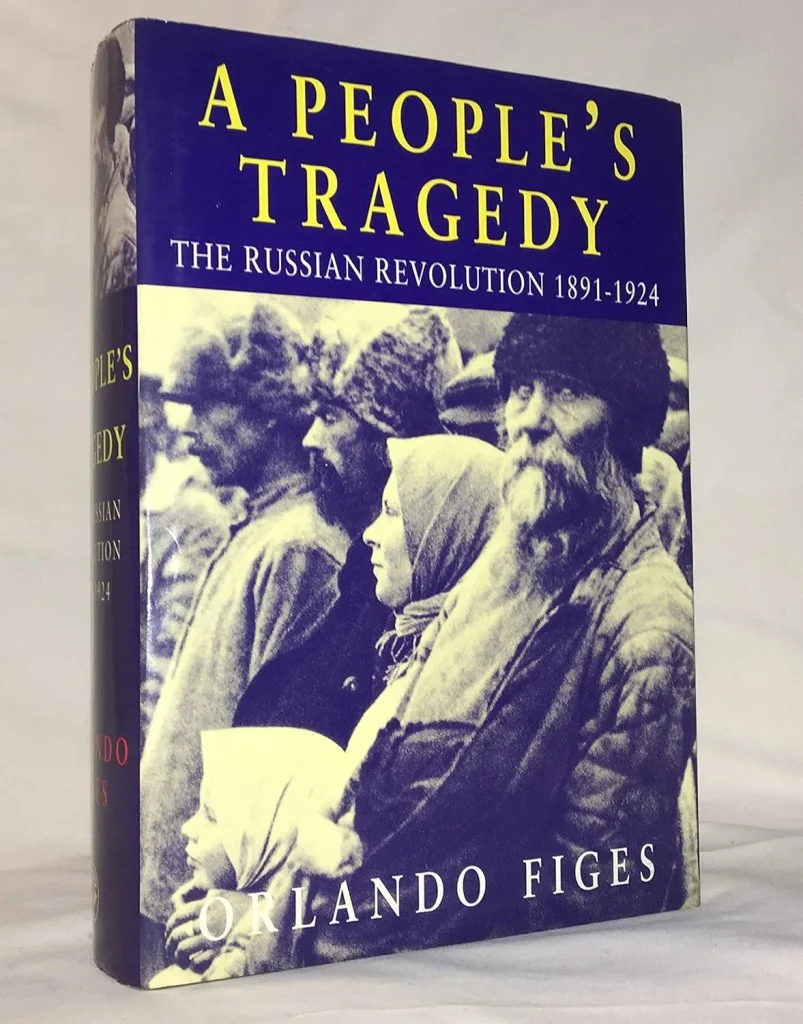
Author: Orlando Figes
Publication Date: March 1, 1998
My Review
Vast in scope and written with profound narrative skill, this is considered by many to be the most comprehensive history of the Revolution. Figes argues that the failure of democracy in 1917 was rooted in Russian social history, showing how a “people’s revolution” contained the seeds of its own violent degeneration.
This book is essential reading for its “miniature histories,” following individual players as they saw their hopes die and their worlds crash into ruins during one of the most significant events of the twentieth century.
Timeline of Major Russian Eras
Understanding Russia requires recognizing the dramatic shifts between its primary historical epochs:
Themes of the Russian Soul
As you engage with these texts, look for these recurring motifs that define the Russian historical experience:
- The Window to the West: The tension between Russia’s European aspirations (typified by the building of St. Petersburg) and its traditional, Slavic roots.
- The Endurance of the Collective: How Russian culture and identity often proved more lasting and unifying than any specific state or political regime.
- The Weight of Paranoia: The historical cycle of state surveillance and its profound impact on the “private history” of family life.
Conclusion
Building a library of Russian history allows you to see the world through a lens of epic resilience and tragic beauty. Whether you are moved by the intimate letters of a doomed Tsar or the whispered interviews of survivors, these stories provide a guide to understanding one of the world’s most vibrant and complex civilizations.
Are you more interested in the cultural and artistic “Russianness” of the nineteenth century, or the political collapse and journalistic immediacy of the late Soviet era?

Leave a Reply