
Constructive Conflict: 5 Best Books on Anger Management to Read in 2026
Anger is a natural human emotion—a signal that our boundaries have been crossed or our needs aren’t being met. However, when left unmanaged, it can become a destructive cycle that damages our health and our most cherished relationships. Mastering anger isn’t about suppressing the feeling; it’s about understanding its source and choosing a constructive response.
In my work as a strategist and consultant, I’ve seen how emotional intelligence is the bedrock of professional and personal success. Below are five essential books designed to help you cool the flames of frustration and build a foundation of calm, clear communication.
The 5 Best Books On Anger Management
1. The Dance of Anger: A Woman’s Guide to Changing the Patterns of Intimate Relationships
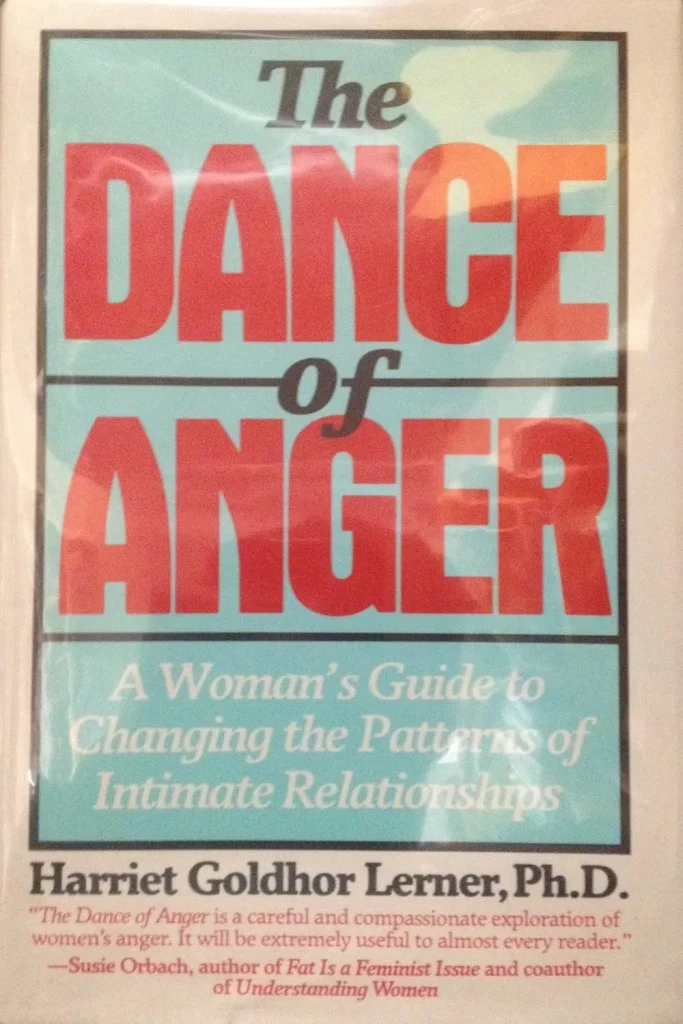
Author: Harriet Lerner
Publication Date: March 25, 2014
My Review
Dr. Harriet Lerner’s classic is a profound exploration of how anger functions within relationship systems. She identifies “circular dances”—like the pursuer-distancer dynamic—and teaches readers how to stop the “de-selfing” that leads to resentment.
This book is highly recommended for anyone who feels stuck in repetitive arguments, offering the tools to turn anger into a vehicle for personal growth and clearer boundaries.
2. Anger: Wisdom for Cooling the Flames
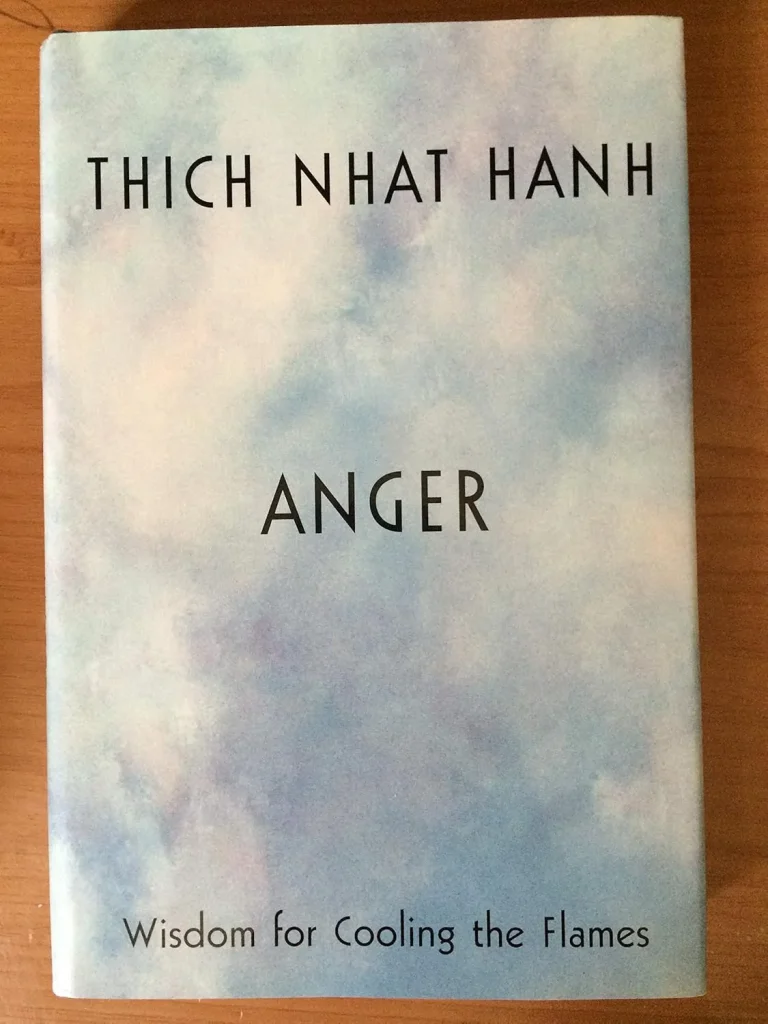
Author: Thich Nhat Hanh
Publication Date: September 3, 2002
My Review
The late Buddhist monk Thich Nhat Hanh approaches anger with exquisite simplicity and compassion. He views anger as a “crying baby” that needs to be held and comforted through mindfulness. By focusing on breathing and deep listening, he provides a spiritual path to rejuvenating parts of ourselves laid waste by rage.
It is an essential read for those seeking a peaceful, meditative approach to emotional regulation and life-long inner peace.
3. Anger: Taming a Powerful Emotion
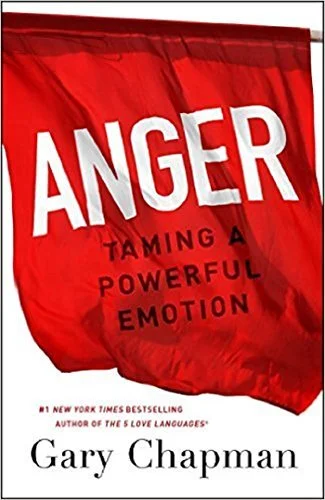
Author: Gary Chapman
Publication Date: June 1, 2015
My Review
Gary Chapman, the counselor behind the 5 Love Languages, provides a practical guide to discerning “good anger” (righteous indignation) from “bad anger” (distorted bitterness). His empathetic advice helps readers overcome the shame and denial often associated with explosive outbursts.
This book is perfect for individuals who want to understand the “why” behind their lashing out and learn how to manage conflict constructively for the sake of their families.
4. Letting Go of Anger: The Eleven Most Common Anger Styles
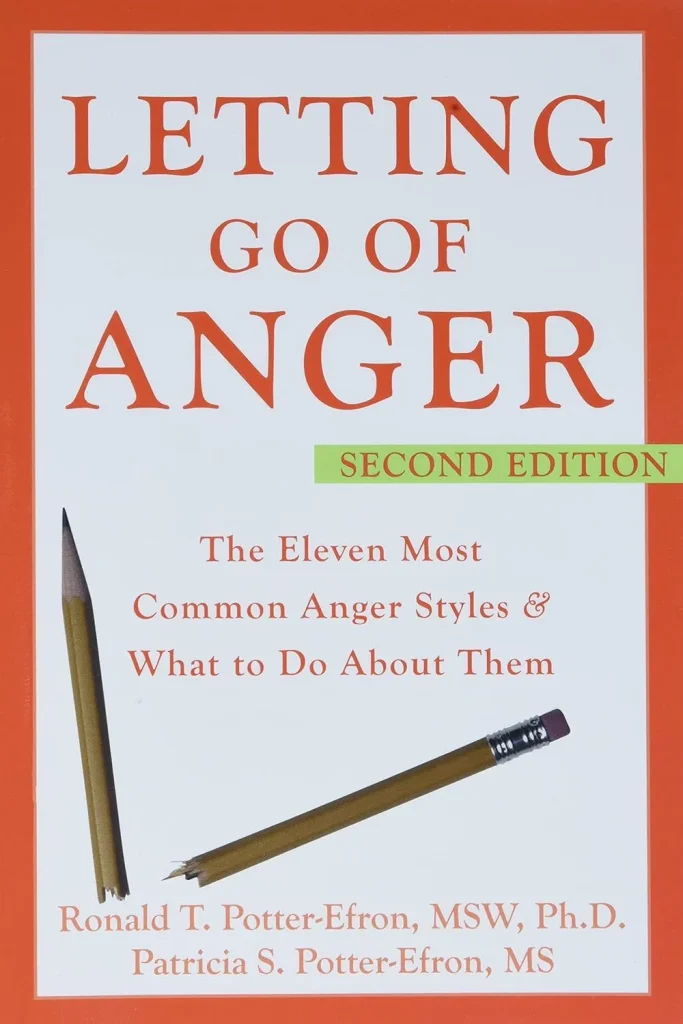
Authors: Ronald Potter-Efron and Patricia Potter-Efron
Publication Date: August 3, 2006
My Review
We all express anger differently—some blow up, while others quietly seethe. The Potter-Efrons categorize the eleven most common styles of anger expression to help you identify your habitual “habit.”
It is highly recommended for those who want to become more flexible and creative in their emotional expression, moving away from disastrous habits toward healthy, assertive communication.
5. Love More, Fight Less: Communication Skills Every Couple Needs
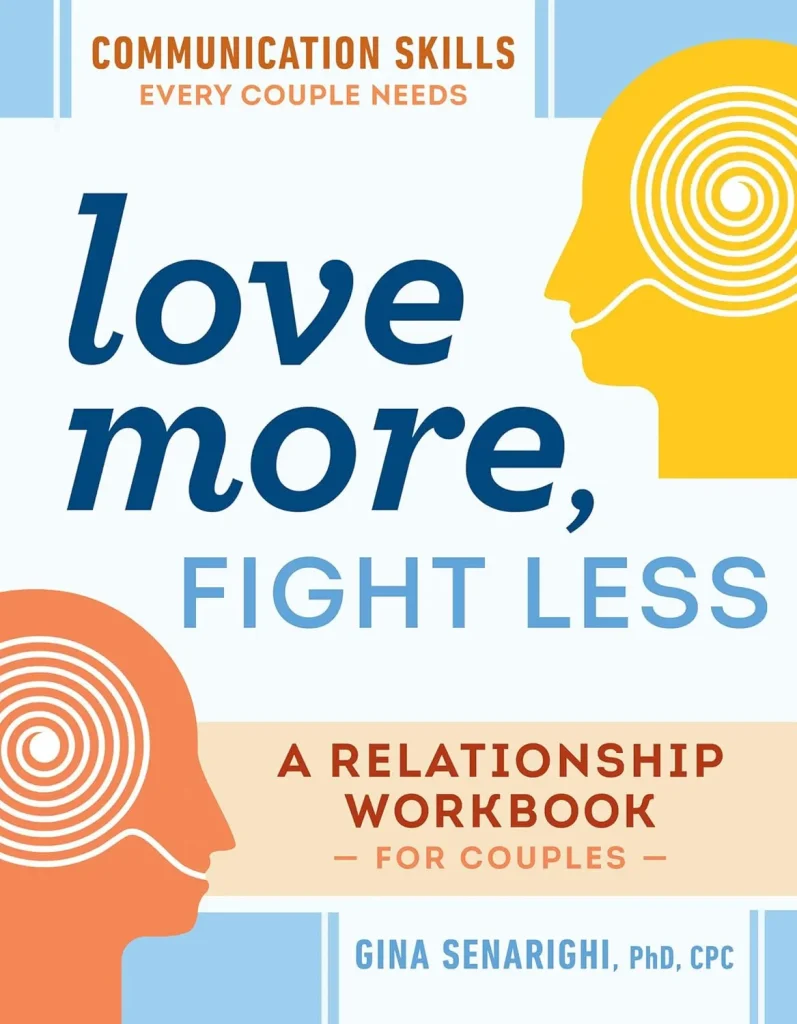
Author: Gina Senarighi PhD CPC
Publication Date: July 28, 2020
My Review
Conflict is an opportunity for growth, not just an obstacle. This relationship workbook features 30 specific communication skills designed to interrupt emotional reactivity and eliminate judgment.
This is a fantastic practical choice for couples who want to build a solid foundation for working through tense situations regarding finances, intimacy, and family matters.
The Cycle of Emotional Reactivity
To better manage your responses, it is helpful to recognize how a trigger moves from a physiological sensation to a behavioral reaction.
Core Strategies for Emotional Regulation
As you explore these texts, keep these fundamental strategies in mind to maintain your composure:
- Identify the “Primary” Emotion: Anger is often a “secondary” emotion that masks deeper feelings of hurt, fear, or powerlessness.
- The 90-Second Rule: A physiological anger response lasts roughly 90 seconds. If you can breathe through that initial window without reacting, you regain cognitive control.
- Practice “I” Statements: Instead of blaming others (which triggers defensiveness), focus on expressing your own feelings and needs clearly.
Conclusion
Building a library of emotional intelligence literature ensures that you are the master of your emotions, rather than their servant. By combining the systemic insights of Harriet Lerner with the mindfulness of Thich Nhat Hanh, you can transform your anger into a constructive force for change.
Do you find that your anger tends to be more explosive and outward, or a quiet, internal simmer?

Leave a Reply