
Market Mechanics: 5 Best Books on Technical Analysis for 2026

Technical analysis is the discipline of evaluating investments and identifying trading opportunities by analyzing statistical trends gathered from trading activity, such as price movement and volume. Unlike fundamental analysis, which focuses on a company’s financials, technical analysis looks for patterns on charts to predict future price action.
Drawing from my experience in SEO and digital strategy, I recognize that data-driven patterns are the key to navigating volatile environments. Whether you are a day trader or a long-term investor, these five books provide the definitive toolkit for reading market sentiment.
The 5 Best Books On Technical Analysis
1. Technical Analysis of the Financial Markets
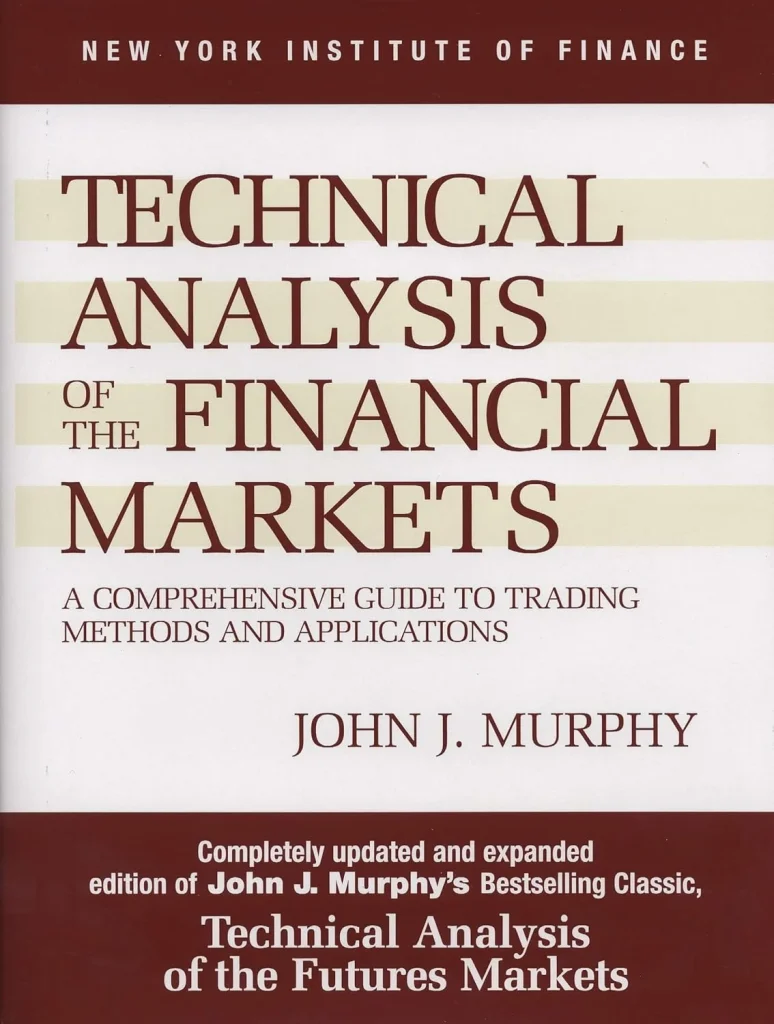
Author: John J. Murphy
Publication Date: Revised Edition
My Review
Considered the “Bible” of technical analysis, John Murphy’s work is a comprehensive guide that covers everything from the basics of charting to the complexities of intermarket relationships. This updated edition includes critical material on candlestick charting and stock rotation.
This book is highly recommended for anyone needing a thorough and accessible overview of how technical analysis plays a role in the futures and stock markets.
2. Investment Psychology Explained
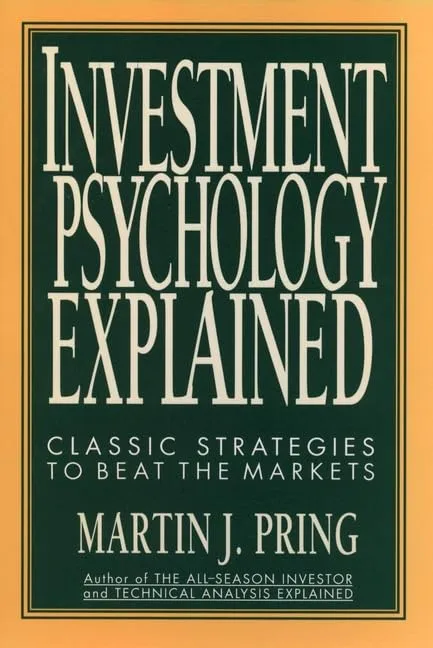
Author: Martin J. Pring
Publication Date: 1st Edition
My Review
Technical analysis is only as good as the trader using it. Martin Pring argues that self-discipline and patience are the true drivers of success. He explores how to overcome emotional impediments, go against the “herd” opinion, and stay focused during market-rocking news events.
This book is highly recommended for traders who have mastered the charts but struggle with the mental grit required to stick to an independent investment plan.
3. Technical Analysis For Dummies
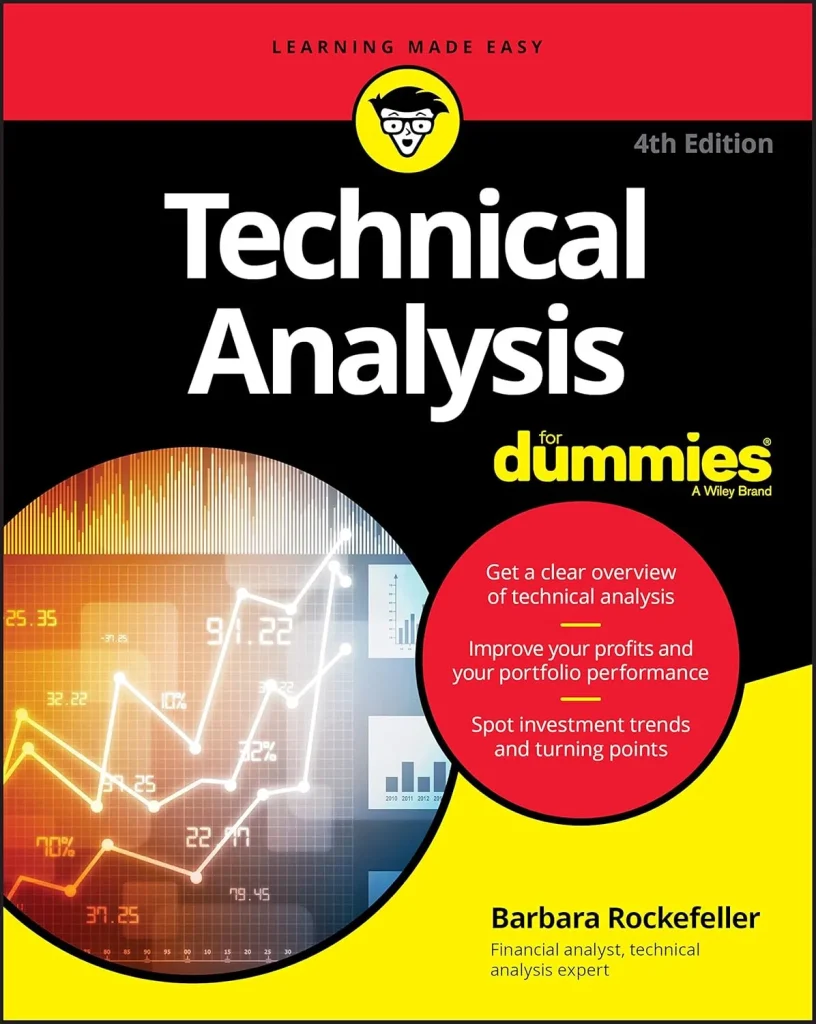
Author: Barbara Rockefeller
Publication Date: 4th Edition
My Review
Barbara Rockefeller provides a straightforward guide to interpreting real-world market information. This edition includes new insights into behavioral economics and unique formulas for identifying trends in both bull and bear markets.
This is a great practical choice for savvy traders who want to maximize returns by reading market sentiment and using state-of-the-art charting techniques like those found in Japanese candlestick research.
4. Getting Started in Technical Analysis
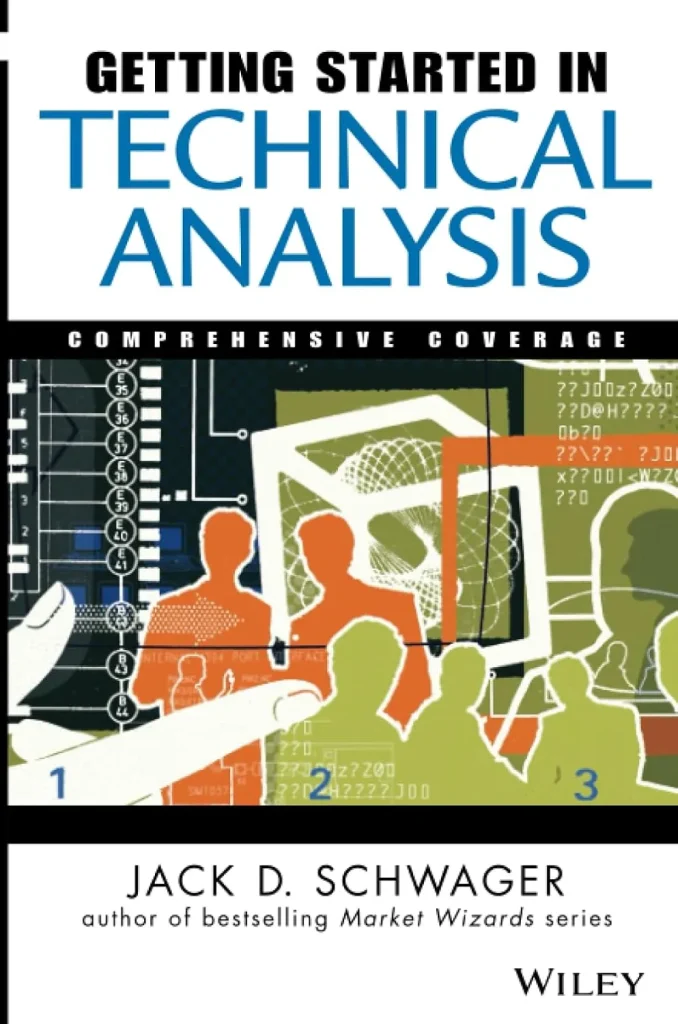
Author: Jack D. Schwager
Publication Date: 1st Edition
My Review
Jack Schwager, a legend in the trading world, demystifies the “art and science” of price activity for beginners. He provides clear explanations of trends, trading ranges, and chart patterns, alongside invaluable rules for entry, exit, and risk control.
It is a perfect entry point for those looking to build a solid framework for mechanical trading systems without being overwhelmed by academic clutter.
5. Technical Analysis of Stock Trends
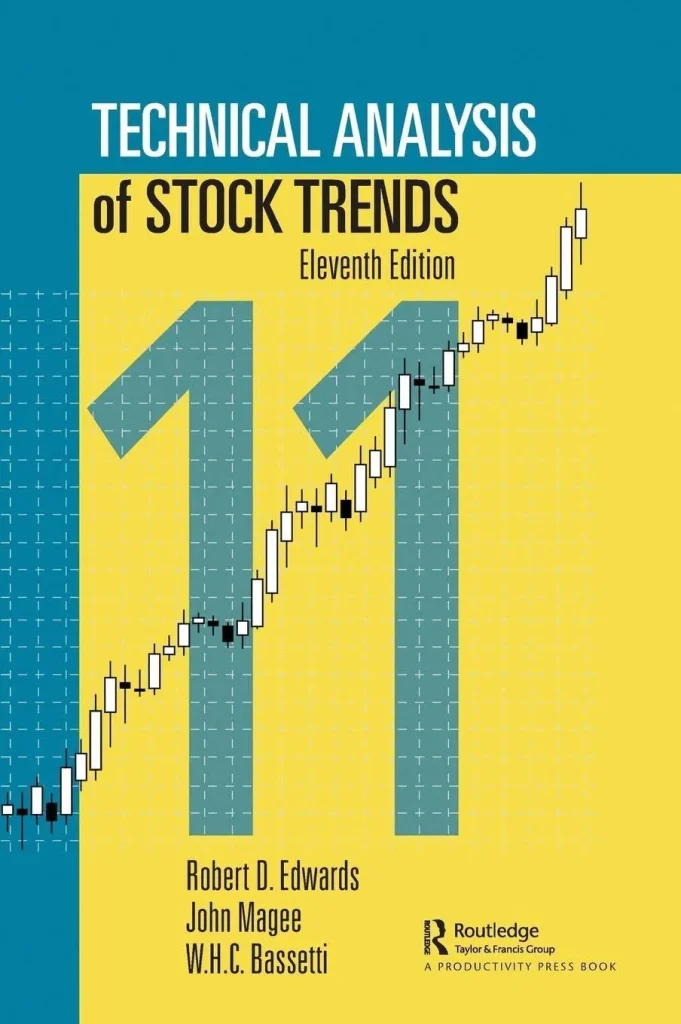
Authors: Robert D. Edwards, John Magee, and W.H.C. Bassetti
Publication Date: 11th Edition
My Review
Originally published in 1948, this landmark text defines the core of chart-pattern analysis. It explains essential theories like Dow Theory, reversal patterns, and consolidation formations. The 11th edition introduces “Pragmatic Portfolio Theory” as a modern alternative to traditional models.
It is an indispensable resource for investors who want to understand the long-term history and proven tactics of trend recognition and risk management.
The Core Indicators of Market Behavior
To successfully navigate the financial markets, it is essential to understand the three primary types of indicators used in technical analysis:
- Trend Indicators: Tools like Moving Averages that help identify the direction and strength of a market trend.
- Momentum Indicators: Oscillators (like the RSI) that measure the speed of price changes to identify overbought or oversold conditions.
- Volume Indicators: These confirm the strength of a price move by showing the amount of trading activity supporting it.
Conclusion
Building a library of technical analysis literature empowers you to make independent, informed market decisions. By combining the classic patterns of Edwards and Magee with the psychological insights of Martin Pring, you can craft a trading strategy that is both mathematically sound and mentally resilient.
Are you more interested in mastering the classic chart patterns of the stock market or diving into the psychological discipline required for high-stakes trading?

Leave a Reply