
What Order to Read The Witcher Books (My Personal Guide for Diving Into Geralt’s World)
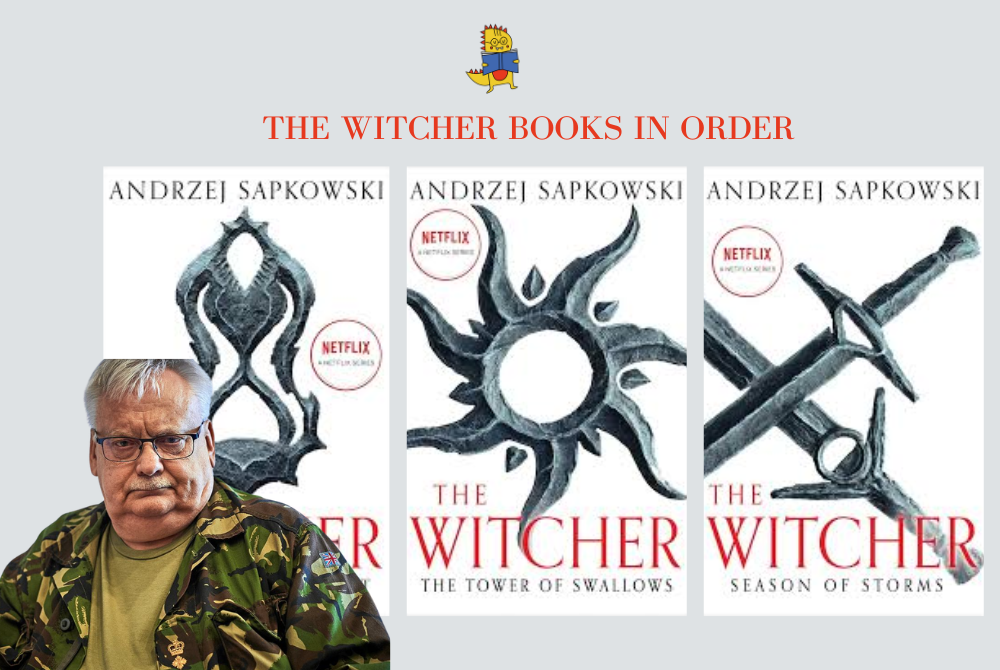
I’ll admit it, before I ever picked up The Witcher books, I was guilty of knowing the franchise mostly from Netflix and the games. But when I finally decided to go straight to the source, the actual novels, I was confused. The Witcher universe isn’t written in strict chronological order, and depending on who you ask, you’ll get a different suggestion on where to begin.
So, after going down my own rabbit hole (and double-checking timelines, author notes, and fan consensus), here’s the most authentic, no-nonsense reading order for The Witcher series. If you’ve been staring at those shelves trying to figure out where to start, this list should clear things up.
Order to Read The Witcher Books
The Witcher books are by Polish author Andrzej Sapkowski, and they’re best enjoyed in this order (which follows both chronology and narrative flow):
- The Last Wish (short story collection – introduces Geralt and key characters)
- Sword of Destiny (short story collection – continues to build relationships, especially with Ciri and Yennefer)
- Blood of Elves (first full-length novel – officially starts the “Saga”)
- Time of Contempt (novel)
- Baptism of Fire (novel)
- The Tower of the Swallow (novel)
- The Lady of the Lake (novel – closes the main saga)
- Season of Storms (standalone novel, published later but set between The Last Wish stories; best read after finishing the saga for extra flavor)
Affiliate Disclosure: As an Amazon Associate, I earn from qualifying purchases
👉 Pro tip: Don’t skip the short story collections at the start! They’re essential. If you go straight into Blood of Elves, you’ll miss half the context of Geralt’s world, his bond with Ciri, and the magic of Sapkowski’s storytelling.
Who is Andrzej Sapkowski? (A Quick Author Spotlight)
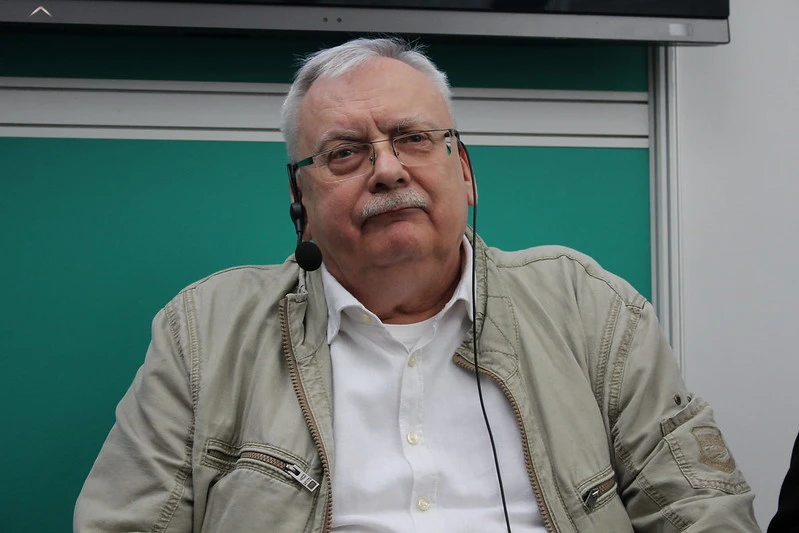
Andrzej Sapkowski is one of Poland’s most celebrated fantasy writers, and honestly, he’s a bit of a legend. Before becoming a novelist, he worked as an economist, which makes me chuckle because his worlds feel anything but dry and corporate.
Sapkowski’s style is unique, he blends gritty realism with fairy-tale influences, folklore, and dark humor. He doesn’t shy away from political intrigue, philosophical musings, or moral gray areas, which is why Geralt of Rivia isn’t your typical “chosen one” hero. He’s flawed, cynical, and often reluctantly dragged into other people’s messes.
Also worth noting: Sapkowski originally wrote the first Witcher story for a Polish fantasy magazine competition in the 1980s. That short story became so popular that it snowballed into the sprawling saga we know today.
Why The Witcher Series Feels So Different From Other Fantasy
When I first picked up The Last Wish, I thought I’d be walking into another Tolkien-inspired high fantasy. Instead, I got sharp dialogue, morally complex characters, and a heavy dose of irony. Unlike traditional fantasy where heroes battle evil with a clear sense of justice, The Witcher asks: What if the monsters aren’t always the real monsters?
Some things that stand out about this series:
- Folklore-inspired storytelling: Sapkowski pulls from Slavic myths, fairy tales, and legends, giving his fantasy world a refreshing twist compared to the usual Western medieval vibes.
- Complex relationships: Geralt, Ciri, and Yennefer form a found family that is messy, heartbreaking, and beautiful. Their bond is really the emotional center of the saga.
- Political intrigue: If you love scheming kings, power-hungry sorcerers, and fragile alliances, the Witcher saga delivers plenty of that.
- Gray morality: The classic question: what makes someone a “monster”? Sapkowski keeps readers guessing, and sometimes uncomfortable, by blurring the lines.
Frequently Asked Questions About The Witcher Books
What is the correct order to read The Witcher books?
The recommended reading order is The Last Wish, Sword of Destiny, Blood of Elves, Time of Contempt, Baptism of Fire, The Tower of the Swallow, The Lady of the Lake, and finally Season of Storms. This order follows the narrative flow of Geralt’s story and introduces the important characters and relationships before the main five-book Witcher Saga begins.
Should I read The Last Wish before Sword of Destiny?
Yes. The Last Wish is the best starting point for new readers because its short stories introduce Geralt of Rivia, his profession as a Witcher, and several important characters and ideas that become central to the larger story. Sword of Destiny should follow it because its stories further develop Geralt’s relationships with characters such as Ciri and Yennefer and establish important foundations for the main saga.
Is The Witcher series chronological?
Not exactly. The early Witcher books are short-story collections rather than a straightforward chronological novel sequence, and the stories sometimes move through different points in Geralt’s life. That is why publication and narrative order are more useful than trying to rearrange every event by timeline. Starting with The Last Wish and then Sword of Destiny provides the intended introduction before moving into the five novels of the main saga.
Why should I read the short story collections before Blood of Elves?
The short story collections are essential because they introduce the characters, relationships, conflicts, and world-building that Blood of Elves assumes readers already understand. In particular, The Last Wish establishes Geralt and the tone of the Witcher world, while Sword of Destiny develops the connection between Geralt and Ciri. Skipping directly to Blood of Elves can therefore make the beginning of the main saga feel less complete.
Is Season of Storms part of The Witcher series?
Yes. Season of Storms is a Witcher novel featuring Geralt, but it works differently from the five-book main saga. It was published later and is set earlier in Geralt’s timeline, between events from the short stories. For a first-time reader, it is best saved until after The Lady of the Lake. Reading it last avoids disrupting the main saga and lets you enjoy it as an additional Geralt adventure.
How many main Witcher books are there?
The main Witcher story consists of seven books if you include the two short-story collections that establish Geralt’s world: The Last Wish, Sword of Destiny, and the five novels beginning with Blood of Elves and ending with The Lady of the Lake. Season of Storms is an additional standalone Witcher novel that is best read after those seven books.
Do I need to read The Witcher books before watching the Netflix series or playing the games?
You do not need to read the books first to enjoy the Netflix series or The Witcher games, but the books are the original source material for Geralt’s world and provide deeper context for the characters and relationships. Reading them in order can also help you understand the mythology, moral conflicts, and connections between Geralt, Ciri, and Yennefer that make the Witcher universe more than a conventional monster-hunting fantasy.
My Final Verdict
If you’re planning to dive into The Witcher, do yourself a favor and follow the order I laid out. It keeps the storytelling intact and gives you the emotional impact Sapkowski intended. The Netflix show and games are fun gateways, but nothing compares to Geralt’s world as Sapkowski originally wrote it.
Reading these books isn’t just about slaying monsters, it’s about stepping into a world where choices have weight, where love and loyalty are complicated, and where even the strongest Witcher can’t fight destiny.
So grab The Last Wish and let Geralt take you on a ride you won’t forget.
💡 When you buy through our Amazon links, I may earn an affiliate commission.

Leave a Reply