
What Order to Read Dan Brown Books?
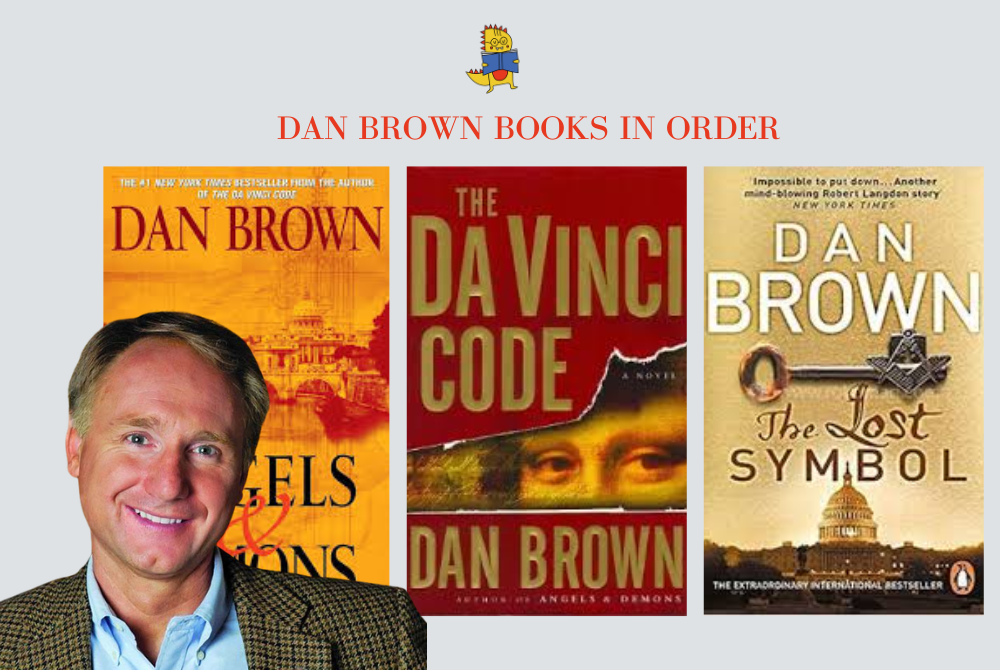
I still remember the first time I picked up a Dan Brown book, it was The Da Vinci Code, and I read it way too late into the night, completely ignoring the fact that I had work the next morning. That’s the thing with Dan Brown: once you start, it’s impossible to put the book down. The puzzles, the art, the history, the fast-paced danger, it feels like being dropped into a treasure hunt where every clue leads to a new “aha!” moment.
But here’s the tricky part: Dan Brown has written multiple books, and while some of them are part of the famous Robert Langdon series, others are standalone thrillers. If you’re like me and want to experience them without confusion, the reading order makes a big difference. So, let’s break it down.
Order to Read Dan Brown Books
Robert Langdon Series (the most popular ones)
These follow Harvard symbologist Robert Langdon through mysteries tied to history, religion, and science.
- Angels & Demons (2000): This is the first Robert Langdon novel, where Dan Brown introduces Harvard symbologist Robert Langdon in a deadly race against time inside Vatican City. The story blends science, religion, and secret societies, as Langdon tries to stop a powerful conspiracy involving the ancient Illuminati. It sets the foundation for the fast-paced, puzzle-driven style the series is known for.
- The Da Vinci Code (2003): This is Dan Brown’s most famous novel, where Robert Langdon gets pulled into a murder mystery at the Louvre Museum that uncovers a hidden religious secret stretching back centuries. The book explores art, history, Christianity, and secret organizations in a way that sparked global debate and massive popularity.
- The Lost Symbol (2009): In this installment, Robert Langdon is drawn into a mystery in Washington D.C. involving Freemasonry and hidden knowledge buried within the city’s landmarks. The story focuses heavily on symbolism, ancient rituals, and the idea of human potential, continuing Brown’s mix of history and intellectual puzzles.
- Inferno (2013): This novel follows Robert Langdon as he wakes up in a hospital with no memory and becomes entangled in a global crisis tied to Dante’s “Inferno.” The story explores themes of population control, ethics, and bioengineering while taking readers across iconic European cities in a high-speed chase.
- Origin (2017): In Origin, Robert Langdon investigates a groundbreaking scientific discovery in Spain that claims to answer humanity’s biggest questions: where we come from and where we are going. The book blends artificial intelligence, religion, and futurism, pushing the series into more modern technological themes.
- The Secret of Secrets (2025): This is the latest Robert Langdon novel, released on September 9, 2025. In this book, Dan Brown brings back Robert Langdon after Origin, pushing him into a new high-stakes mystery that blends advanced science, ancient symbolism, and global conspiracy-level stakes. It continues the signature Dan Brown formula: fast pacing, layered puzzles, and a race-against-time structure that keeps readers hooked until the final reveal.
The Secret of Secrets: My Honest Goodreads Review
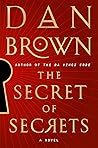 The Secret of Secrets by Dan Brown
My rating: 5 of 5 stars
From the very first few chapters, it feels familiar in the best possible way: fast pacing, cryptic clues, hidden history, and that constant “just one more chapter” trap that Dan Brown fans know too well. Robert Langdon is back in his element, decoding symbols and racing through layered conspiracies that blend science, philosophy, and a bit of uncomfortable truth.
What I enjoyed most is how the story keeps shifting your assumptions. Every time you think you’ve figured it out, another layer opens up. It’s very “Dan Brown” in structure, but still manages to feel fresh enough to keep you hooked till the end.
That said, it’s not a perfect ride. Some twists feel slightly familiar if you’ve read his earlier novels, and a few explanations get a bit heavy in exposition. But honestly, that’s part of the signature style now.
Overall, it’s a solid, entertaining read if you’re into intellectual thrillers with a cinematic pace. Not life-changing, but definitely a page-turner that does exactly what it promises.
View all my reviews
💡 When you buy through our Amazon links, I may earn an affiliate commission.
👉 Note: Technically, you can read them out of order because each book is a standalone mystery. But I personally recommend starting with Angels & Demons. It gives you the “origin story” feel of Langdon, and you’ll catch some subtle callbacks in later books.
Standalone Novels
These don’t feature Robert Langdon, but they’re worth reading if you enjoy Dan Brown’s style.
Affiliate Disclosure: As an Amazon Associate, I earn from qualifying purchases
Why Robert Langdon Stands Out
Dan Brown’s other books are fun, but the Robert Langdon series is what really made him a household name. There’s a reason for that. Langdon is an academic, a professor who has absolutely no business being chased across cities and solving murder-mystery-puzzles, but that’s what makes him relatable. He’s not James Bond; he’s the guy who would rather be lecturing about symbols at Harvard, yet somehow ends up trying to stop global catastrophes.
Each Langdon novel also dives into fascinating themes:
- Angels & Demons → science vs. religion.
- The Da Vinci Code → religious history and secret societies.
- The Lost Symbol → Freemasonry and hidden knowledge in Washington D.C.
- Inferno → population crisis and bioethics.
- Origin → artificial intelligence and the future of humanity.
I think that’s what makes them timeless. You’re entertained, but you’re also learning little nuggets of history, art, or philosophy along the way.
Dan Brown’s Writing Style : Love It or Hate It?

Here’s the thing about Dan Brown: critics often roll their eyes at his writing. They’ll say it’s formulaic, too dramatic, or that he “dumbs things down.” And maybe they’re right, but here’s my take.
His books aren’t meant to be literary masterpieces; they’re meant to be thrilling page-turners. Short chapters, cliffhangers, puzzles, and big reveals, it’s addictive, and that’s exactly the point. You don’t read Dan Brown for flowery prose, you read him because you want to know what’s hiding behind the next locked door in the Vatican or the Louvre.
And honestly? That’s why his books have sold hundreds of millions of copies worldwide. Sometimes, you just want a fun, fast adventure.
Verdict
If you’re new to Dan Brown, start with Angels & Demons and work your way through the Robert Langdon series in order. Once you’re done, pick up Digital Fortress and Deception Point if you’re still craving more.
Reading Dan Brown is like going on a world tour with a puzzle tucked into your backpack, you’ll race through cathedrals, libraries, secret labs, and ancient tombs, all from your armchair. It’s fast, it’s clever, and it’s a little bit wild.
So grab your first Dan Brown book, settle in, and prepare to lose some sleep. Trust me, you won’t regret it.

Leave a Reply