I’ll be honest: I didn’t always enjoy philosophy. Back in my banking days, I thought of it as something professors debated in ivory towers. But as I got older, and especially after years of watching politics play out on TV, in work, and even in my own kids’ questions about fairness, I realized political philosophy isn’t abstract at all. It’s about life. It’s about who gets what, who decides, and what we owe one another.
Once that clicked, I couldn’t stop reaching for the classics and modern thinkers who wrestle with the same questions we face every day. Here are five of the best political philosophy books that made me pause, scribble notes in the margins, and sometimes argue with myself long after I’d closed the pages.
5 Best Political Philosophy Books
1. Justice: What’s the Right Thing to Do? by Michael J. Sandel
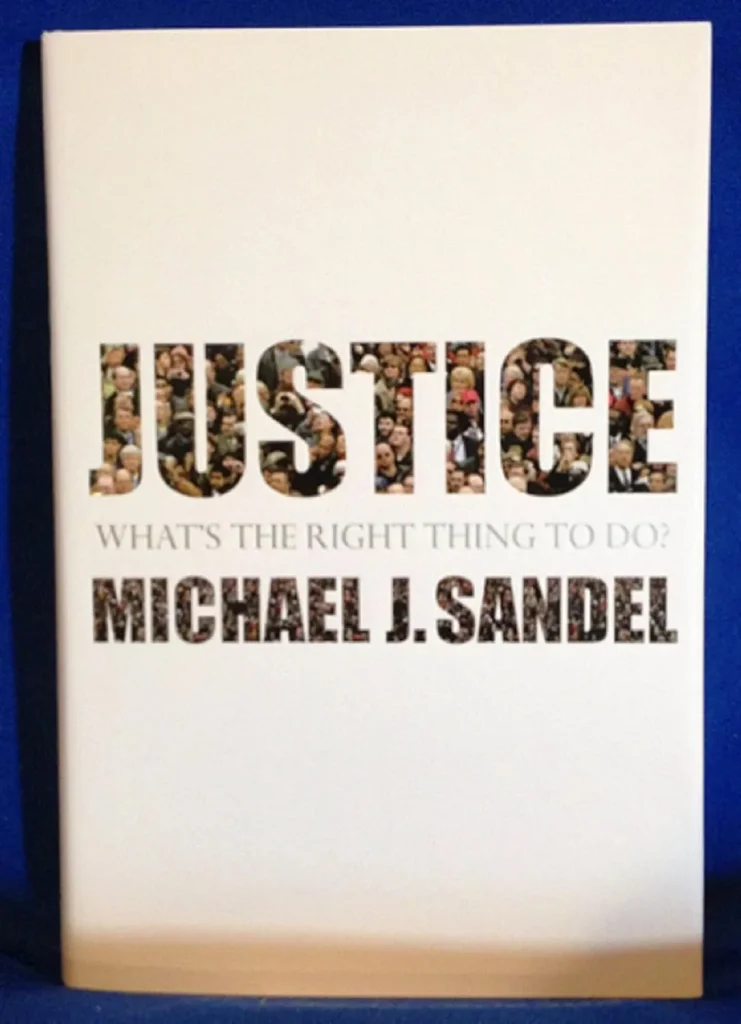
Reading Sandel feels like being back in a theater, with a professor who knows how to turn tough ideas into riveting drama. He takes big, heavy concepts, justice, morality, fairness, and makes them feel alive by weaving in real-world cases. Should we tax the rich more heavily? Should truth always trump compassion? These aren’t just hypotheticals; they’re the choices that shape our daily lives.
What hooked me was how Sandel doesn’t hand you answers. Instead, he throws you into the debate. I remember closing the book and thinking about my son’s school debates, how he’d argue passionately about fairness in sports or classroom rules. Sandel’s book reminded me that those small debates mirror the larger questions societies wrestle with. It’s philosophy you can feel in your gut.
2. The Prince by Niccolò Machiavelli
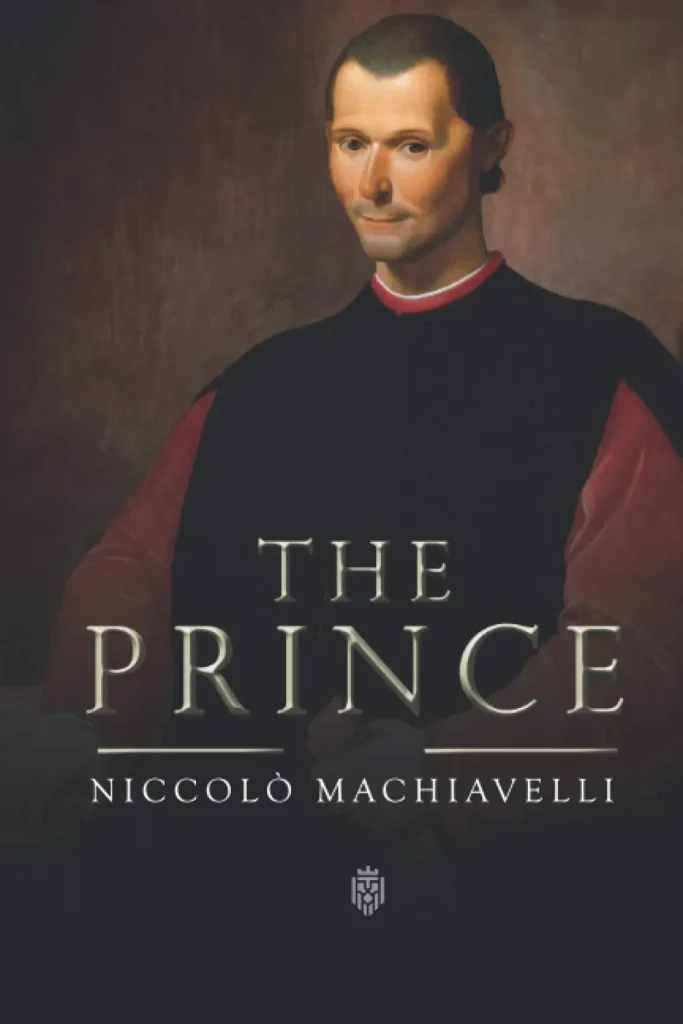
Ah, Machiavelli, the man whose name alone can start an argument at dinner. “The ends justify the means.” It sounds ruthless, maybe even immoral. But reading The Prince as an adult feels less like a guide to villainy and more like a blunt mirror held up to power. Leaders, whether kings or CEOs, face messy choices. Machiavelli doesn’t sugarcoat it.
What I found fascinating was how relevant it feels even now. It brought me back to my cricket days when strategy mattered as much as skill. Sometimes, to win, you had to make unpopular choices. That doesn’t mean I’m endorsing manipulation, but it made me reflect on the thin line between strategy and ethics. That tension is why The Prince never gets old.
3. An Introduction to Political Philosophy by Jonathan Wolff
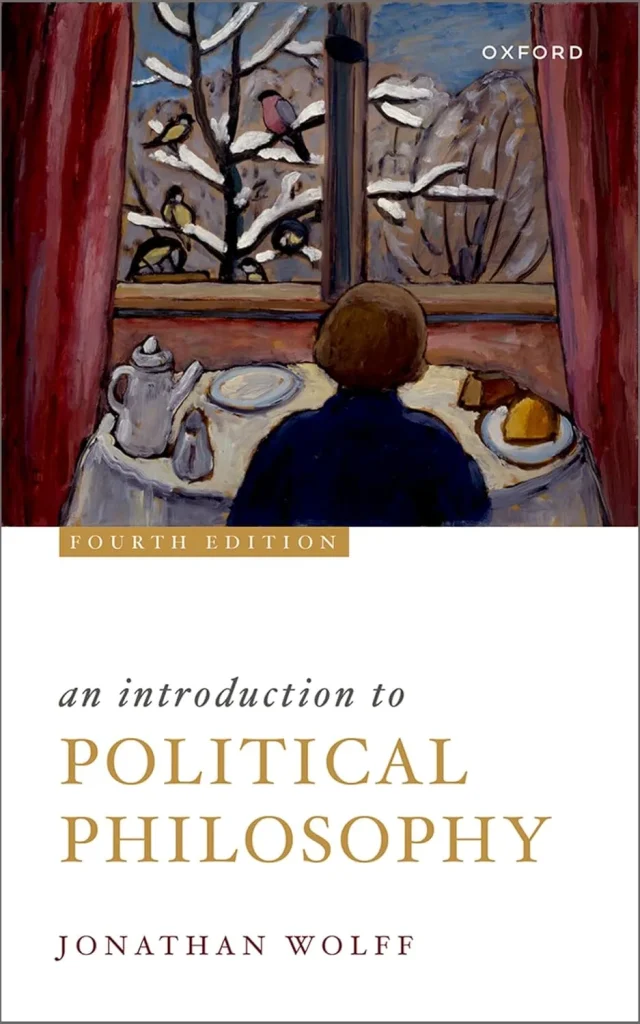
If philosophy feels intimidating, Wolff is the friendly guide you want by your side. He doesn’t march you through history like a dusty textbook. Instead, he asks sharp, simple questions: Who should have power? Are there limits to freedom? What does democracy really mean? Each chapter feels like sitting down with a mentor who wants you to wrestle with the questions, not memorize the answers.
I loved how this book reminded me of late-night conversations with friends during my university years. We’d argue about politics over endless cups of tea, thinking we were solving the world’s problems. Wolff captures that spirit of curiosity and debate but grounds it in centuries of thought. It’s a starter kit for anyone who’s ever asked, “Why is the world the way it is?”
4. Plato: Five Dialogues
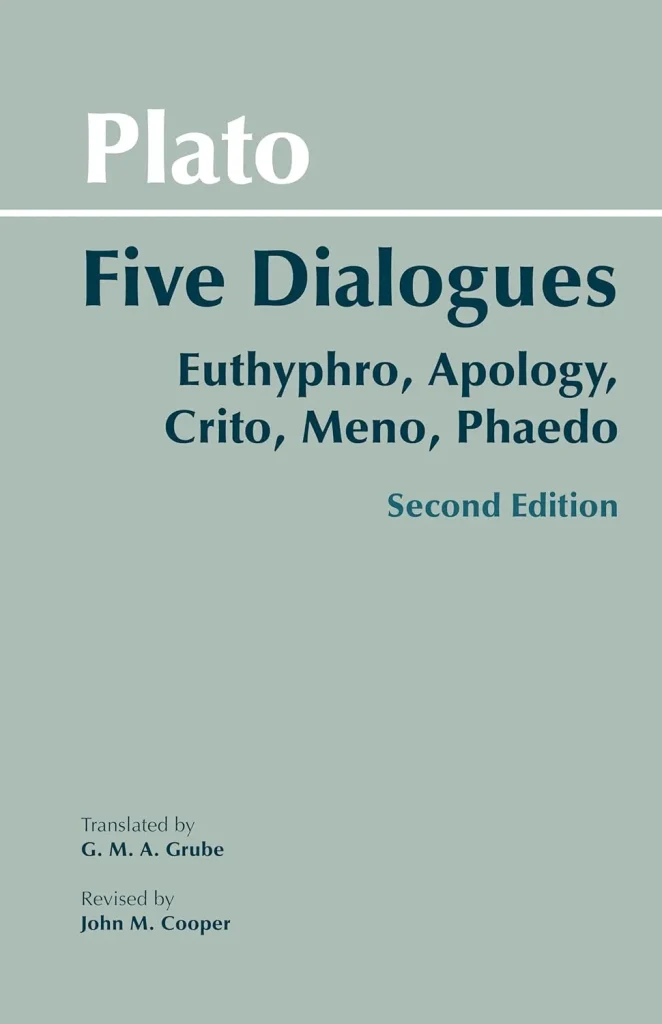
Before reading Plato, I only knew Socrates as “the guy who asked questions.” But Five Dialogues made me see why he’s still quoted thousands of years later. From his courtroom defense in Apology to his calm acceptance of death in Phaedo, Socrates comes across as both stubborn and deeply human. It’s raw, moving, and surprisingly easy to read.
As someone who loves theater, I was struck by how these dialogues read like mini-plays. Socrates, surrounded by friends, arguing and probing, refusing to bend, it felt like watching a character wrestle with truth on stage. I couldn’t help but think of how many plays and movies borrow from this same format: a sharp conversation that changes everything.
5. Capital by Karl Marx
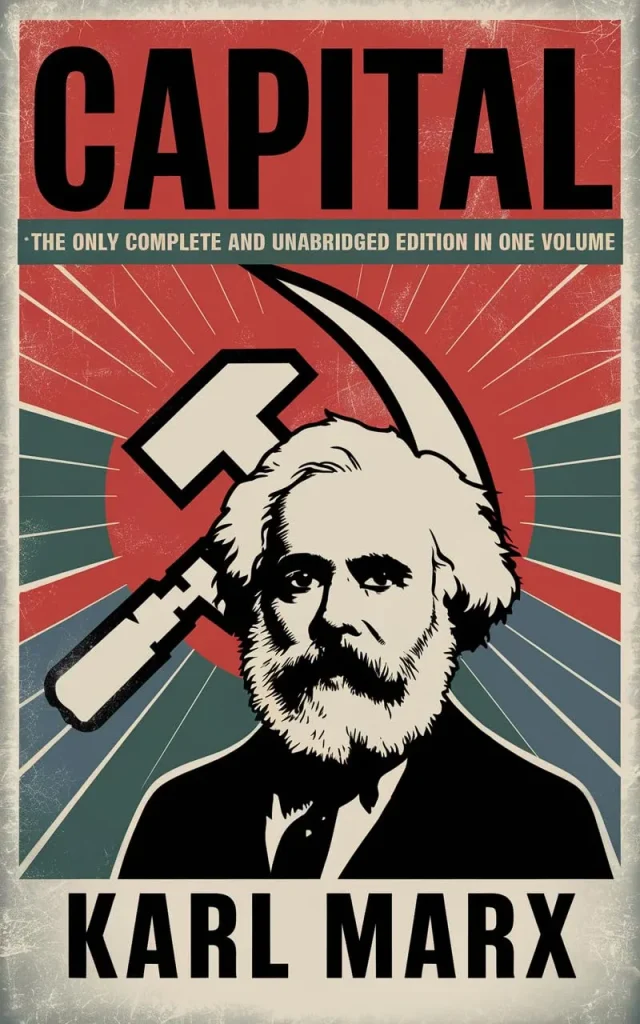
Let’s be real: Marx isn’t light reading. Capital is dense, heavy, and sometimes a slog. But once you push through, you realize why his ideas shaped the world. Marx doesn’t just critique capitalism; he dissects it like a mechanic pulling apart an engine. Concepts like surplus value and class struggle might sound academic, but they hit home when you look at rising inequality today.
What fascinated me most was how Marx forces you to confront the structures around you. As someone who worked in banking, I couldn’t help but compare his analysis to what I’d seen in real life: profit driving decisions, sometimes at the expense of people. Whether you agree with him or not, Capital makes you see the economic system with new eyes, and that’s the power of great philosophy.
Affiliate Disclosure: As an Amazon Associate, I earn from qualifying purchases
When Books Make You Argue with Yourself
What I love most about political philosophy is how it refuses to let you stay comfortable. These books don’t just sit quietly on a shelf, they poke at you. They made me question whether my idea of “fairness” was shaped more by childhood games or by adult compromises.
They reminded me of debates with my kids, who are much better at spotting hypocrisy than I am. And they even made me reflect on my years in theater, where every character wrestles with power, morality, and justice in their own way.
At the end of the day, political philosophy isn’t about memorizing theories. It’s about sharpening how we see the world, and maybe even how we act in it.
Final Thoughts
These are, in my eyes, some of the best political philosophy books because they don’t just explain ideas, they make you live with them. They made me argue with myself, scribble notes, and sometimes just stare into space, wondering about choices I’d made in work, family, or life.
Now I’m curious: which book made you rethink justice, power, or freedom? Drop me a note, I’d love to compare notes (and maybe argue a little). After all, isn’t that what philosophy is all about?
Know Your Author

Hi, I’m Emon
I’m the voice and heart behind Whimsy Read. After nine years in the world of banking, I followed my passion for storytelling into the world of SEO and content strategy. Now, I blend that analytical eye with a deep love for literature to bring you book reviews that are thoughtful, honest, and always focused on the stories that stay with you.
When I’m not reading or writing, you’ll find me enjoying joyful chaos with my wife and three kids, getting lost in a new series, or revisiting my old loves: theater, music, and gaming. At the end of the day, I believe great books are meant to be shared, and I’m so glad you’re here to share them with me.




Leave a Reply