
Every Rick Riordan Book in Order: Updated for 2026 (Including ‘The Court of the Dead’)
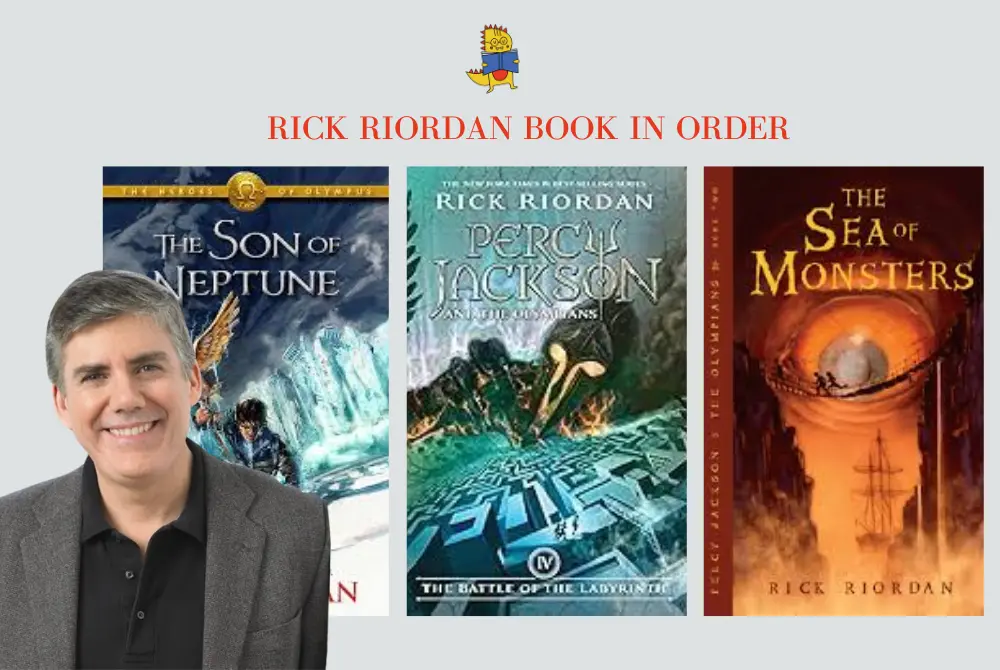
Sometimes I curl up with a stack of Rick Riordan books, and I swear the pages crackle with electric mythology, Greek gods crashing into modern-day juniors, Norse legends lighting up Boston streets, Egyptian magic making Brooklyn feel enchanted. As someone who’s lost track mid-series (again), I know the hesitation: Wait, what should I read next?
So, I figured I’d pull up my favorite blanket, make a cuppa, and walk you through the reading order, one that feels natural and faithful, like a playlist flowing just right. Ready? Let’s jump right in.
Order to Read Rick Riordan’s Books (by series publication sequence)
Here’s the solid, authentic roadmap, series by series, in the order they were published:
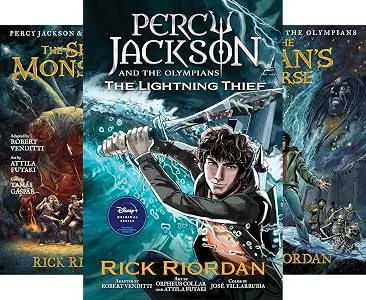
Percy Jackson & the Olympians
- The Lightning Thief (2005)
- The Sea of Monsters (2006)
- The Titan’s Curse (2007)
- The Battle of the Labyrinth (2008)
- The Last Olympian (2009)
- The Chalice of the Gods (2023)
- Wrath of the Triple Goddess (2024)
The Heroes of Olympus
The Kane Chronicles
- The Red Pyramid (2010)
- The Throne of Fire (2011)
- The Serpent’s Shadow (2012)
Magnus Chase and the Gods of Asgard
- The Sword of Summer (2015)
- The Hammer of Thor (2016)
- The Ship of the Dead (2017)
The Trials of Apollo
- The Hidden Oracle (2016)
- The Dark Prophecy (2017)
- The Burning Maze (2018)
- The Tyrant’s Tomb (2019)
- The Tower of Nero (2020)
Affiliate Disclosure: As an Amazon Associate, I earn from qualifying purchases
The Sun and the Star
A standalone follow-up focused on Nico di Angelo (co-written with Mark Oshiro), perfect after Apollo series or Percy universe read-throughs.
Deep Dive Sections
Why This Reading Order Works
- Chronological continuity meets emotional flow: Starting with Percy Jackson gives you the origin story of the world; subsequent series build around or parallel those events, Heroes of Olympus overlaps, Kane taps into mythic crossovers, and Apollo adds a fresh voice while keeping the stakes high.
- Publication-based pace: You get character growth in real-time with Rick Riordan’s writing, meaning side arcs and developments (like college-quest threads in Chalice or Goddess) land with added nostalgia or surprise.
- As one Reddit fan sagely noted, “The Kane Chronicles and Magnus Chase can be read anytime after Heroes of Olympus,” reflecting flexible but logical progression.
About Rick Riordan: The Myth-Maker
Rick Riordan isn’t just an author; he’s a storyteller building bridges between ancient myths and modern readers. The original spark came from The Lightning Thief, published in 2005, this year marks its 20th anniversary! Riordan now has dozens of books spinning out from that universe, including two spin-off trilogies, and approaching with inclusivity at heart (LGBTQ+ characters, neurodiversity, so many kids seeing themselves in heroes) .
And he’s still going: after wrapping up Chalice (2023) and Wrath of the Triple Goddess (2024), the final installment of Percy’s senior year trilogy is on deck for 2027.
Jumping Between All the Series: Tips from Me
- Stick to core for the first run: Start with Percy Jackson, then Heroes of Olympus, then ring in Apollo. That trio feels like a crescendo in character relationships and mythic scope.
- Add flavor with side quests: Throw in The Kane Chronicles and Magnus Chase between or after, introduces Egyptian and Norse myth riffs that feel refreshingly new.
- Drop in the standalones thoughtfully: The Chalice of the Gods and Wrath are joyous additions for Percy’s later arc; The Sun and the Star is a sweet Nico spotlight, read when you’re ready for more character depth.
- Bonus reads: Companion books (guides, graphic novels, short stories) can be sprinkled post-series for extra lore, just not necessary to stick with the main narrative.
FAQ
Q: Are all Rick Riordan’s books connected in one universe? Can I read them in any random order?
A: They’re loosely connected, Percy Jackson, Heroes of Olympus, Trials of Apollo, and Sun & the Star live in the same “Camp Half-Blood” universe. Others like Kane Chronicles and Magnus Chase crossover occasionally, but reading them out of order will dilute character arcs and reveal less buildup. So, yes, connected, but reading by series gives the best experience.
Q: Where do the newer Percy books (Chalice, Wrath) fit in?
A: They slot into Percy’s senior year after Last Olympian and between Heroes of Olympus and Trials of Apollo, though many readers choose to read them after wrapping up Apollo rather than breaking the flow .
Q: Should I read the short-story companions and graphic novels?
A: Totally optional! They’re fun add-ons, great for extra backstory or flashes of side characters, but the main plot arcs are complete and satisfying within the core books. Read them when you crave a little bonus content.
Verdict
If I could offer one takeaway from the heart of WhimsyRead: Let the reading pace be your own. Start with Percy’s quest, revel in the expanding world arcs, take detours into Norse and Egyptian decades, chase Apollo’s redemption, sit with Nico’s reflections, and enjoy the ride with Rick’s signature humor, empathy, and mythological magic.
In short: Read in series order, yes, because you’ll thank me when the mythology puzzles click into place and the characters feel like friends you’ve lived with over time. Happy reading, and don’t forget to tell me which demigod feels most like you afterward!

Leave a Reply