
Beyond Matrix and Terminator: Reading Order for Sophia Stewart’s Works
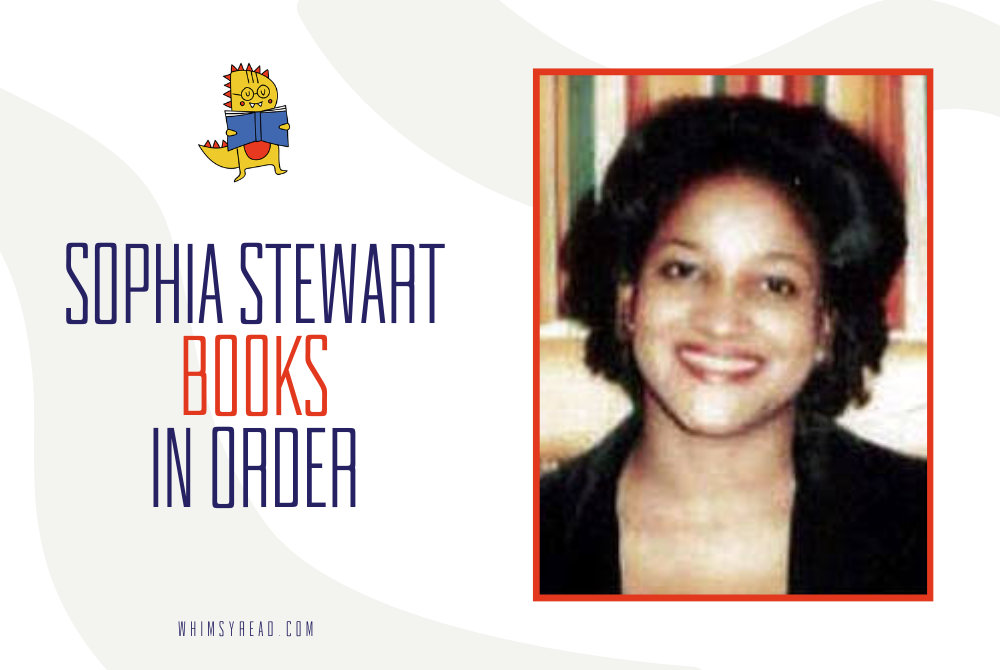
I first encountered the name Sophia Stewart not in a bookstore aisle, but through a heated late-night debate among film buffs regarding cinema copyright history and science fiction origins. Intrigued by the legendary controversy surrounding her work, I went straight to the source material to see what she had actually written.
What I found was far more intriguing than internet rumors. Sophia Stewart’s writing isn’t standard Hollywood-style space opera—it is a dense, high-concept blend of esoteric philosophy, biblical prophecy, futuristic technology, and metaphysical warfare. She crafts a world where human consciousness, artificial intelligence, and spiritual destiny collide. Reading her catalog offers a fascinating window into an author who views her story not merely as entertainment, but as a prophetic blueprint for humanity’s future.
The Core Catalog: Sophia Stewart’s Published Works
Unlike authors who release dozens of episodic novels, Sophia Stewart’s literary output revolves around a singular, highly concentrated intellectual property universe.
1. The Third Eye (Originally copyrighted 1981 / Published 2004)
At the heart of Stewart’s legacy is The Third Eye, a epic science fiction treatment and novel manuscript that merges cosmic mythology with futuristic warfare. Set in a dystopian universe, the story explores the eternal conflict between humanity, advanced artificial intelligence, and divine forces. It introduces themes of a chosen messianic figure destined to liberate mankind from a simulated or oppressive machine-driven reality, guided by spiritual enlightenment (symbolized by the “third eye”). The work serves as the core text from which all her surrounding philosophical and narrative concepts branch.
2. The Matrix and The Terminator: The Third Eye (2006)
In this expanded commentary and reference volume, Stewart lays out her case for how her original manuscript The Third Eye served as the foundational blueprint for two of Hollywood’s biggest blockbuster franchises. The book provides comparative breakdowns, thematic analysis, and historical timelines, contrasting scenes, character archetypes, and underlying mythos from her 1981 material alongside the cinematic worlds of Neo, John Connor, and the machines. For readers interested in intellectual property law, screenwriting history, or pop culture lore, this serves as an essential companion text.
3. The Third Eye: Continuum (2018)
Expanding upon the universe established in her original work, Continuum delves deeper into the metaphysical framework of her world. Stewart explores advanced concepts of consciousness, the intersection of science and spirituality, and the broader destiny of the human race in an era increasingly dominated by technology. It functions as both a narrative continuation and a philosophical treatise, aiming to answer the deeper cosmic questions raised in her debut text.
Understanding the Controversy: The Matrix & Terminator Connection
It is impossible to discuss Sophia Stewart’s literary career without addressing the famous legal battle that made her a household name in science fiction circles.
In 1981, Stewart authored a copyrighted manuscript and treatment titled The Third Eye. Decades later, following the release of The Terminator (1984) and The Matrix (1999), Stewart realized striking structural, thematic, and character similarities between her copyrighted work and these iconic films. She filed a federal lawsuit alleging that major Hollywood studios and filmmakers had infringed upon her intellectual property.
While the legal proceedings faced complex procedural hurdles and courts ultimately ruled against her claims due to evidentiary and jurisdictional issues, the controversy propelled her work into cult status. To this day, science fiction historians, screenwriters, and fans study The Third Eye to analyze the undeniable thematic parallels—including artificial intelligence rebellions, chosen saviors, and simulated/perceptual realities—that defined late 20th-century sci-fi cinema.
The Philosophy Behind Sophia Stewart’s Writing
Sophia Stewart’s work stands apart from conventional science fiction due to its heavily spiritual and esoteric foundation.
Core Themes in Her Work
- Metaphysical Reality vs. Illusion: Central to her writing is the idea that the physical world is merely a fraction of existence, often controlled or obscured by higher forces or technological illusions.
- The Messianic Archetype: Her narratives focus heavily on a central figure chosen by divine or cosmic destiny to awaken humanity from spiritual and physical bondage.
- Science and Prophecy: Rather than viewing science and religion as opposites, Stewart fuses ancient spiritual texts, biblical prophecy, and futuristic technology into a unified cosmic timeline.
Frequently Asked Questions
What is the best Sophia Stewart book to read first?
Start with her core text, The Third Eye. It contains the foundational story, character concepts, and philosophical themes that define her entire literary universe.
Did Sophia Stewart win her lawsuit over The Matrix and The Terminator?
No. Despite widespread internet rumors to the contrary, the federal court cases were dismissed primarily on procedural grounds, including failure to submit sufficient evidence before deadlines. However, the controversy brought significant public attention to her original manuscript.
Is The Third Eye a novel or a screenplay?
The Third Eye was originally developed as a epic literary treatment and epic story framework intended for film and book distribution, blending narrative prose with visual cinematic structure.
What genre do Sophia Stewart’s books fall under?
Her books fall under visionary science fiction, metaphysical fiction, and philosophical sci-fi, combining elements of futuristic technology, cybernetics, and spiritual theology.
Where can I find Sophia Stewart’s books?
Her books are available through specialized indie booksellers, major online retailers, and her official publishing channels dedicated to preserving The Third Eye universe.
Final Verdict on Sophia Stewart’s Literary Legacy
Sophia Stewart occupies a unique position in modern science fiction history. Beyond the headlines and legal debates, The Third Eye represents a bold, visionary attempt to merge spiritual metaphysics with futuristic sci-fi.
For readers intrigued by high-concept science fiction, messianic mythologies, and the fascinating intersections of Hollywood history and intellectual property, exploring Sophia Stewart’s catalog offers a compelling and thought-provoking experience.

Leave a Reply