
Ralph Moody Books in Order: The Ultimate Little Britches Guide
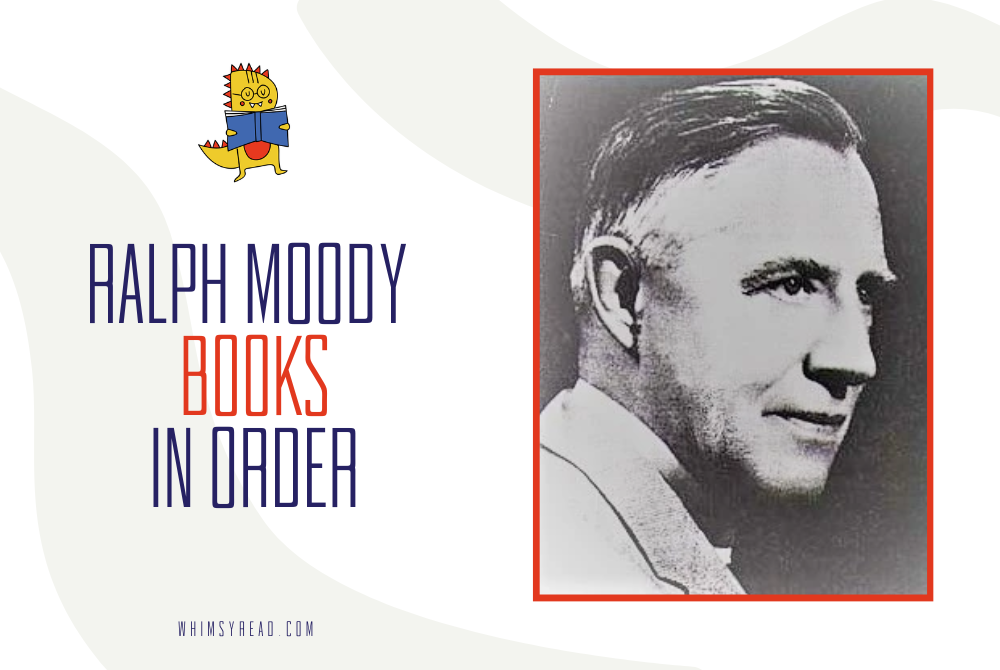
In the realm of classic American literature, few authors capture the grit, integrity, and raw magic of the early 20th-century frontier quite like Ralph Moody. Often fondly referred to as the “Little House on the Prairie for boys,” Moody’s semi-autobiographical masterpieces present something entirely unique: a profoundly moving blueprint of family devotion, hard work, and what it truly means to grow into a man of honor.
Moody’s stories do not shy away from the harsh realities of rural life—the crop failures, the heartbreaking losses, and the grueling physical labor of a Colorado ranch. Yet, through the eyes of young Ralph (nicknamed “Little Britches” by his father), every trial becomes a masterclass in perseverance. For educators, parents, and fans of historical memoirs, navigating his beautifully interconnected life story requires a structured approach. Below is the definitive guide to reading Ralph Moody’s books in order.
1. The Little Britches Series in Chronological Story Order
This is Ralph Moody’s signature narrative arc. It spans his journey from an adventurous eight-year-old boy arriving in Colorado to a determined young man building a livestock business in Kansas. For the best reading experience, follow the chronological biographical timeline below rather than strict publication dates.
Little Britches: Father and I Were Ranchers (1950)
- The Plot: In 1906, eight-year-old Ralph moves with his family from New England to a hardscrabble ranch in Colorado. Amidst the struggles against weather, irrigation battles, and unruly livestock, Ralph shares a deeply moving bond with his father, learning timeless values of honesty, grit, and resourcefulness.
Man of the Family (1951)
- The Plot: Following a devastating family loss, eleven-year-old Ralph is forced to step up as the primary provider for his widowed mother and siblings. Using pure ingenuity, Yankee ingenuity, and a variety of odd jobs around Littleton, Colorado, he fights to keep the family unit from being torn apart.
The Home Ranch (1956)
- The Plot: At twelve years old, Ralph spends a grueling but transformative summer working as a full-fledged cowboy on a large Colorado cattle ranch. Earning his keep among seasoned, rough-around-the-edges ranch hands, he refines his equestrian skills and proves his mettle under the blazing sun.
Mary Emma & Company (1961)
- The Plot: Hoping for a fresh start, the Moody family moves back East to Massachusetts. Ralph’s resilient mother, Mary Emma, establishes a home laundry business, and Ralph works alongside his family to navigate the social friction of urban living while holding tight to their frontier values.
The Fields of Home (1953)
- The Plot: At fifteen, a rebellious and headstrong Ralph is sent to live on his grandfather’s old-fashioned farm in Maine. The collision of two fiercely independent personalities leads to explosive tension, but through mutual struggles, they forge a deep, unexpected respect for the land and each other.
Shaking the Nickel Bush (1962)
- The Plot: Now nineteen years old and facing a serious health diagnosis, Ralph is advised by doctors to seek an open-air life out West. With almost no money in his pockets, he travels through the Southwest, taking on bizarre odd jobs, painting signs, and doing stunt work for early silent films to survive.
The Dry Divide (1963)
- The Plot: Stranded in Nebraska on the Fourth of July in 1919 with just a few dimes to his name, twenty-year-old Ralph joins a tough wheat-harvesting crew. Through sheer endurance and brilliant business instincts, he eventually manages a major grain operation and begins accumulating his own capital.
Horse of a Different Color: Reminiscences of a Kansas Drover (1968)
- The Plot: The grand finale of Moody’s personal memoir arc finds him in his early twenties settling down in Kansas. Taking a massive financial gamble, he establishes a high-stakes livestock-dealing enterprise, learning to outwit seasoned traders and finding his true footing as an adult.
2. Ralph Moody’s Historical Western Non-Fiction
Beyond his personal memoirs, Moody was a passionate historian who dedicated his later career to preserving the legacy of the American West for younger generations. These standalones can be read in any order.
- Kit Carson and the Wild Frontier (1955): A thrilling, highly accurate biography detailing the life of the legendary trapper, scout, and frontier trailblazer.
- Geronimo: Wolf of the Warpath (1958): An insightful look into the complex tactics, struggles, and historical context surrounding the iconic Apache leader.
- Riders of the Pony Express (1958): A fast-paced exploration of the young, daring mail couriers who risked everything to connect a divided nation.
- Wells Fargo (1961): The definitive history of the legendary express company that transported gold, outran bandits, and built the western banking frontier.
- Come On, Seabiscuit! (1963): Moody shifts his gaze to sports history, delivering an incredibly moving biography of the underdog racehorse that captured America’s heart during the Great Depression.
- Stagecoach West (1967): A comprehensive, deeply researched history tracing the evolution of western stagecoach travel and the drivers who conquered the wilderness.
- The Old Trails West (1963): An expansive chronicle mapping out the historic pathways—like the Santa Fe and Oregon trails—that drove early American expansion.
Affiliate Disclosure: As an Amazon Associate, I earn from qualifying purchases
About the Author: Ralph Moody
Born in 1898 in East Rochester, New Hampshire, Ralph Moody did not actually begin his career as a professional writer. Instead, he lived the very adventures he later penned, spending his adulthood working as a rancher, businessman, and livestock handler. It wasn’t until 1950, at the age of fifty-two, that Moody enrolled in a beginner’s short-story writing class at a local community college to learn how to preserve his childhood memories for his children.
His very first homework assignment blossomed into Little Britches, launching an unexpected, wildly successful literary career that produced 19 books. Moody’s writing is universally praised for its authentic voice, rich historical accuracy, and its refreshing lack of cynicism. He passed away in 1982, leaving behind a timeless legacy of wholesome, character-building American literature.
Frequently Asked Questions
What age group are Ralph Moody’s books written for?
The main Little Britches series is incredibly versatile. While written with sophisticated vocabulary that appeals to adult readers, the first three books are highly celebrated as family read-alouds for children as young as eight. Books 6 through 8 deal with older, more mature themes of young adulthood, making them excellent choices for high schoolers and adults.
Why was The Fields of Home published out of order?
Publishing houses often capitalize on what moves readers. After the massive commercial success of Little Britches and Man of the Family, Moody penned The Fields of Home out of pure inspiration regarding his grandfather. He later went back to fill in the missing developmental years of his youth with The Home Ranch and Mary Emma & Company.
Are Ralph Moody’s books completely factual?
While categorized as autobiographical fiction or memoirs, Moody admitted that certain characters were composites and some minor events were compressed to create a more compelling narrative flow. However, the overarching historical details, geographic landmarks, and core life experiences are completely authentic to his real life.
What other authors write books similar to Ralph Moody?
If your family has finished the entire Little Britches catalog and you want a similar flavor of classic, character-focused frontier living, you should read Laura Ingalls Wilder (Little House series), Sterling North (Rascal), and Wilson Rawls (Where the Red Fern Grows).
Conclusion: Grab a Copy and Hit the Trail
The Final Verdict: Ralph Moody didn’t just write stories; he built an enduring monument to the strength of the human spirit and the importance of familial love. For the absolute maximum emotional payoff and to see a boy truly learn what it means to become a man, start your journey directly with Little Britches: Father and I Were Ranchers (1950) and read straight through to the end of his Kansas adventures.



Leave a Reply