
Margaret Maron Books in Order: Deborah Knott, Sigrid Harald, and Standalone Novels
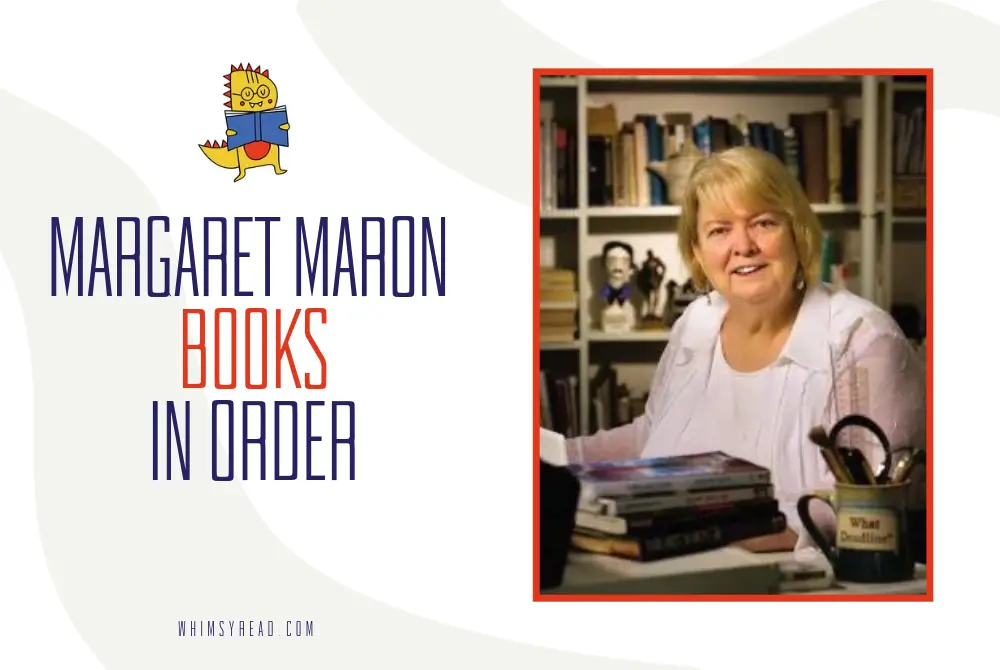
Margaret Maron was an award-winning American mystery writer known for memorable detectives, detailed settings, and mysteries shaped by family relationships and community secrets. Her Deborah Knott novels take place largely in rural North Carolina, while her Sigrid Harald books follow a New York City police detective.
Readers often enjoy Maron’s books because the characters have lives beyond the crimes they investigate. Along with murder mysteries, the stories explore family responsibilities, friendships, personal conflicts, and the influence of the past. This guide organizes her main novels by series and publication order, followed by her standalone books and short-story collections.
Judge Deborah Knott Books in Order
The Judge Deborah Knott series follows a North Carolina district judge who becomes involved in murder investigations and complicated local disputes. Deborah’s large family and her close connection to the surrounding community are important parts of the stories.
There are 20 main novels in the series. Reading them in publication order is the easiest way to follow Deborah’s changing personal life and relationships.
1. Bootlegger’s Daughter (1992)
Deborah Knott is a lawyer from a large North Carolina family who is campaigning to become a district judge when a murder draws her into a difficult investigation. The book introduces Deborah’s independent personality, her family background, and the rural community that becomes central to the series.
This award-winning first novel is the best starting point for new readers.
2. Southern Discomfort (1993)
Deborah faces another mystery involving the complicated relationships and hidden tensions within her community. As she follows the evidence, she discovers that personal loyalties and old conflicts can make the truth difficult to uncover.
The story continues developing the family-centered atmosphere that distinguishes the series.
3. Shooting at Loons (1994)
A trip to the North Carolina coast brings Deborah into contact with people whose private lives are more complicated than they first appear. The investigation involves conflicting accounts, personal motives, and relationships that affect the search for the truth.
The coastal setting also provides a change of atmosphere from Deborah’s familiar rural surroundings.
4. Up Jumps the Devil (1996)
Deborah investigates a case in which community gossip, personal grudges, and competing versions of events complicate the search for answers. She must look beyond what people say publicly to understand what may have happened.
The novel combines a traditional mystery with the social details and local relationships that make Maron’s books distinctive.
5. Killer Market (1997)
This installment brings Deborah into a mystery shaped by business interests, ambition, and personal relationships. As she works through the evidence, she must consider how money and professional rivalries may have influenced the people involved.
The book continues the series’ blend of crime investigation and everyday community life.
6. Home Fires (1998)
Family concerns and community relationships play important roles as Deborah encounters another troubling case. The mystery requires her to look carefully at the people involved rather than accept their explanations at face value.
The story also gives readers more of the personal and social world surrounding Deborah’s work as a judge.
7. Storm Track (2000)
A dangerous storm provides the backdrop for a mystery involving people with conflicting interests and secrets. As the investigation develops, Deborah must separate useful evidence from assumptions and rumors.
The setting adds tension while keeping the focus on character, motive, and the consequences of past decisions.
8. Uncommon Clay (2001)
The world of pottery and artistic work provides an unusual setting for this mystery. Deborah encounters personal disagreements and hidden motives as she tries to understand the circumstances surrounding the crime.
The book is a good example of Maron’s ability to build a mystery around a specific community and its interests.
9. Slow Dollar (2002)
Money and financial pressures are central to the conflicts surrounding this case. Deborah must examine the relationships between the people involved to determine which motives and explanations hold up.
As in the earlier novels, the investigation is closely connected to the everyday concerns of the community.
10. High Country Fall (2004)
A change of location brings Deborah into a different environment and introduces a fresh set of people and problems. The unfamiliar surroundings challenge her to understand the local circumstances before she can make sense of the mystery.
This installment offers a change of scenery while retaining the character-focused approach of the series.
11. Rituals of the Season (2005)
Community traditions and seasonal customs provide the background for a case that disrupts familiar routines. Deborah must look beyond appearances to understand the personal conflicts and motives connected to the mystery.
The story combines the rhythms of local life with the investigation at its center.
12. Winter’s Child (2006)
Family relationships and events from the past influence the mystery in this installment. As Deborah investigates, she must consider how personal responsibilities and long-standing loyalties affect the people around her.
The novel continues to develop the emotional and family dimensions of the series.
13. Hard Row (2007)
Deborah faces a difficult case in which personal histories and conflicting accounts make it challenging to establish what happened. Her experience as a judge helps her assess the evidence, but the relationships involved complicate the investigation.
The book also continues following the demands of Deborah’s professional and family life.
14. Death’s Half Acre (2008)
A death leads Deborah into a mystery connected to land, local history, and relationships that have not been fully resolved. The investigation requires her to examine the past as well as the immediate circumstances of the crime.
The North Carolina setting plays an important role in shaping the conflicts and the people involved.
15. Sand Sharks (2009)
A coastal community provides the setting for another investigation involving hidden tensions and competing motives. Deborah must work through the different accounts offered by the people connected to the case.
The novel uses the seaside setting to create a fresh backdrop for the series’ familiar blend of mystery and personal drama.
16. Christmas Mourning (2010)
The holiday season brings family gatherings and community traditions into a story marked by loss and uncertainty. Deborah must investigate a troubling case while navigating the emotions and expectations that surround this time of year.
The contrast between the festive season and the crime gives the story its distinctive atmosphere.
17. Three-Day Town (2011)
Deborah and her husband, Dwight Bryant, travel to New York City, where they become involved in a murder investigation with Lieutenant Sigrid Harald. The case brings together characters from Maron’s two major mystery series.
This crossover is particularly important for readers who want to follow both detectives.
18. The Buzzard Table (2012)
Deborah returns to a mystery involving complicated relationships and people whose lives are closely connected. As she investigates, personal loyalties and unresolved tensions make it difficult to determine who is telling the truth.
The novel also revisits the family and community relationships that longtime readers have come to know.
19. Designated Daughters (2014)
A suspicious death involving an older woman brings Deborah into a case shaped by family obligations and private secrets. She examines the relationships between the woman and the people around her to determine whether the explanations for her death make sense.
Questions of caregiving, responsibility, and trust add emotional depth to the investigation.
20. Long Upon the Land (2015)
A death in Deborah’s family brings personal history directly into the mystery. As she investigates, she must confront questions about her family’s past and the events that helped shape the people closest to her.
This is the final main Deborah Knott novel and a meaningful stopping point for readers who have followed the series from the beginning.
Sigrid Harald Books in Order
The Sigrid Harald series follows a New York City police lieutenant who investigates murders with patience, careful observation, and a strong sense of professional responsibility. Compared with the Deborah Knott books, these novels place greater emphasis on police investigations and the different social worlds of New York City.
There are nine main Sigrid Harald novels. Read them in the following publication order.
1. One Coffee With (1981)
Margaret Maron’s first novel introduces Sigrid Harald as an NYPD homicide detective investigating a murder in an academic and artistic environment. The case establishes Sigrid’s thoughtful investigative style and introduces readers to the professional world in which she works.
It is the natural starting point for anyone interested in this series.
2. Death of a Butterfly (1984)
Sigrid investigates a killing connected to the world of art and the complicated relationships surrounding it. As she follows the clues, she must look beyond public appearances to understand the private conflicts that may have led to the crime.
The novel continues the series’ interest in the difference between reputation and reality.
3. Death in Blue Folders (1985)
A murder involving legal professionals draws Sigrid into a case where professional respectability does not necessarily reveal a person’s true motives. She must examine the relationships between the people involved and determine which details are important to the investigation.
The story combines police procedure with questions about ambition, secrecy, and trust.
4. The Right Jack (1987)
An unusual death gives Sigrid another complicated case to solve. As she investigates, apparently minor details and conflicting accounts become important to understanding what happened.
The novel rewards readers who enjoy mysteries that develop through careful questioning and the gradual examination of evidence.
5. Baby Doll Games (1988)
The murder of a dancer leads Sigrid into a world shaped by performance, ambition, and personal vulnerability. The investigation requires her to look beyond the public identities of the people involved.
The story explores how private tensions can remain hidden behind carefully maintained appearances.
6. Corpus Christmas (1989)
A murder connected to a relic from New York’s past draws Sigrid into a mystery involving history, personal interests, and competing claims. The investigation unfolds against a seasonal backdrop that contrasts with the darker events at its center.
The novel combines a traditional police mystery with questions about the past and its continuing influence.
7. Past Imperfect (1991)
Sigrid investigates the murder of Mickey Cluett, a case in which earlier events and personal relationships are important to understanding the present. Memories and conflicting accounts complicate the search for the truth.
The story also develops Sigrid’s character and gives greater weight to the personal consequences of police work.
8. Fugitive Colors (1995)
The death of Sigrid’s artist lover makes this case especially personal. She must confront the emotional impact of the crime while trying to establish what happened and who may be responsible.
The combination of a personal loss and a professional investigation makes this one of the more distinctive entries in the series.
9. Take Out (2017)
After a long gap between novels, Maron returned to Sigrid Harald with another New York murder investigation. The book gives readers an opportunity to revisit the detective and her investigative approach.
It is the final main Sigrid Harald novel and should be read after the earlier books, especially if you want to experience the series in publication order.
How Does Three-Day Town Connect the Two Series?
Three-Day Town is the key crossover novel between the Deborah Knott and Sigrid Harald series. Deborah and her husband travel to New York City, where Lieutenant Sigrid Harald becomes involved in the same murder investigation.
Readers who follow both series should read the book at its publication point in the Deborah Knott sequence, after Christmas Mourning and before The Buzzard Table. If you are reading only the Sigrid Harald novels, include it after Fugitive Colors and before Take Out.
You do not need to finish both series before reading the crossover. However, knowing the main characters beforehand makes the meeting more rewarding.
Standalone Novels by Margaret Maron
Margaret Maron also wrote novels outside her two main detective series. These books are good choices for readers who want to explore her writing without committing to a long sequence.
1. Bloody Kin (1985)
Set in rural North Carolina, this mystery follows Kate Honeycutt after the death of her husband, Jake. She hopes that moving to his family farm will help her rebuild her life, but she gradually discovers that his death may not have been an accident.
The novel explores family history, outsider status, and the secrets that can remain hidden within a close-knit community. Readers who enjoy the setting of the Deborah Knott books may find it especially appealing.
2. Last Lessons of Summer (2003)
This standalone novel moves away from Maron’s regular detectives and offers a different kind of suspense story. Its focus on past events and personal relationships makes it a useful choice for readers who want to see another side of her fiction.
Because it is not part of the main Deborah Knott or Sigrid Harald sequence, you can read it whenever you like.
Margaret Maron’s Short-Story Collections
Maron’s shorter mystery fiction offers additional stories for readers who want more after completing the novels. These collections are supplementary reading, rather than essential installments in either main series.
Shoveling Smoke: Selected Mystery Stories (1997)
This collection brings together mystery stories that demonstrate Maron’s ability to develop suspense and character in a shorter format. The stories provide a useful introduction to her work outside the full-length novels.
It is a good choice for readers who enjoy her writing but want mysteries that can be read in shorter sessions.
Suitable for Hanging: Selected Stories (2004)
This collection gathers more of Maron’s shorter fiction and shows the range of situations she could use to build a mystery. Some stories connect with familiar characters or themes, while others work independently.
You can read the collection at any point after exploring the main novels.
Other Short Fiction
Maron wrote several additional short stories, including works associated with Deborah Knott and other mystery characters.
- Deborah’s Judgment — A short mystery featuring Deborah Knott that offers an additional glimpse of the character outside the full-length novels.
- With This Ring — A shorter Deborah Knott story that adds another episode to the character’s fictional world.
- Bewreathed — Another supplementary story featuring Deborah Knott.
- Growth Marks — A short work included among Maron’s mystery fiction, rather than a standalone full-length novel.
- The Dog That Didn’t Bark — A short mystery that reflects Maron’s interest in overlooked clues and the details that can change a reader’s understanding of a case.
Short fiction can appear in different anthologies and editions, so it is best treated as extra reading rather than part of the main numbered novel sequences.
What Is the Best Order to Read Margaret Maron’s Books?
The simplest approach is to choose one of her two major series and read it from the beginning.
- For Southern mysteries: Start with Bootlegger’s Daughter and continue through Long Upon the Land.
- For police procedurals: Begin with One Coffee With, then continue through Take Out, including Three-Day Town as the crossover.
- For a standalone mystery: Try Bloody Kin for a rural North Carolina setting or Last Lessons of Summer for a story outside the main series.
- For a complete reading journey: Read the novels in their individual series order, then explore the standalone books and short-story collections.
The two main series are largely readable on their own, so you do not have to combine every book into one master list. The main exception worth remembering is Three-Day Town, which connects the two detectives.
Frequently Asked Questions
How many books did Margaret Maron write?
Margaret Maron wrote 20 main Deborah Knott novels and nine main Sigrid Harald novels, along with standalone novels, short-story collections, and additional short fiction. Counts vary depending on whether short stories and crossover appearances are included.
Which Margaret Maron book should I read first?
Bootlegger’s Daughter is the best starting point for the Deborah Knott series. It won major mystery awards and introduces the North Carolina setting and family relationships that shape the books.
If you prefer police procedurals, start with One Coffee With, Maron’s debut novel and the first Sigrid Harald mystery.
Do the Deborah Knott books need to be read in order?
Reading them in publication order is recommended because Deborah’s personal life and family relationships develop throughout the series. However, most books contain a central mystery that can be understood without reading every earlier installment.
Are the Sigrid Harald and Deborah Knott series connected?
Yes. Three-Day Town brings Deborah Knott and Sigrid Harald together in a shared murder investigation. The crossover is a particularly rewarding read for people who follow both series.
What is the last Deborah Knott book?
Long Upon the Land (2015) is the final main Deborah Knott novel. It combines a mystery with revelations about Deborah’s family history.
What is the last Sigrid Harald book?
Take Out (2017) is the final main Sigrid Harald novel. It returns to the New York detective after a long gap following Fugitive Colors.
Can I read Margaret Maron’s standalone novels without reading her series?
Yes. Bloody Kin and Last Lessons of Summer can be read independently of the main series. They are good options if you want to sample Maron’s writing without starting a long sequence.
Conclusion
Margaret Maron’s books offer two different but equally engaging approaches to mystery fiction. The Deborah Knott novels combine crime-solving with rural North Carolina life and complex family relationships, while the Sigrid Harald books focus on police investigations in New York City. Start with the first book in whichever series appeals to you, follow the publication order, and include Three-Day Town if you want to experience the crossover. Her standalone novels and short-story collections provide more to explore once you finish the main series.

Leave a Reply