
How to Read Jane Austen Books in Order: Publication, Composition, and the Best Starting Points
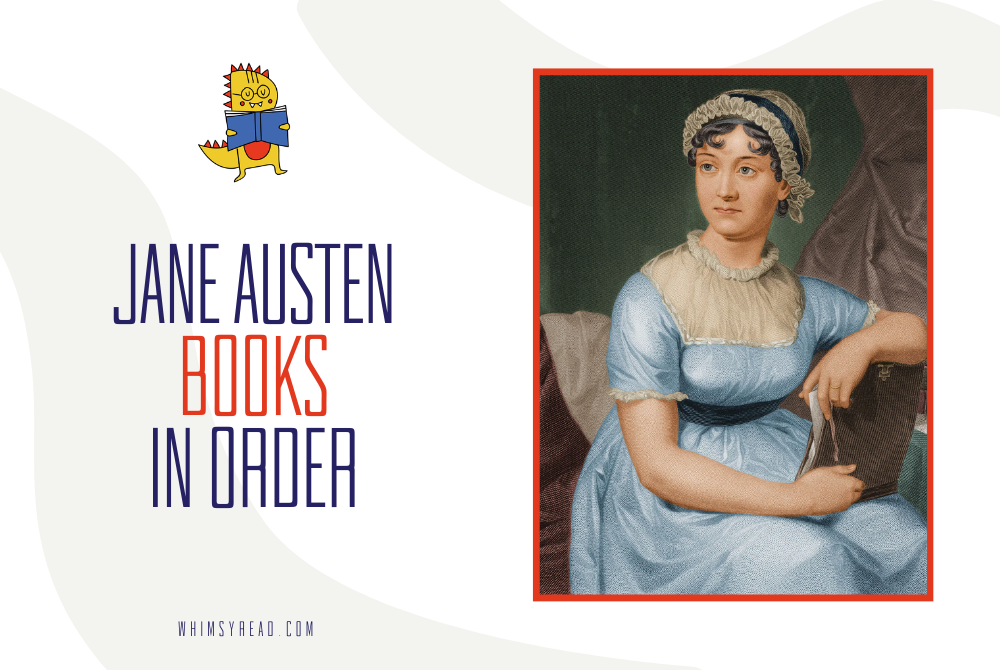
Whether you are stepping into the Regency era for the first time or revisiting classic literary romances, finding the best order to read Jane Austen’s works can make a substantial difference in your reading experience.
Although Jane Austen published only six complete novels, her works span distinct phases of her life—from fiery adolescent parodies to mature, reflective social satires.
1. Jane Austen Books in Order of Publication
Reading Austen in publication order lets you experience her craft the way her contemporary 19th-century audience did.
1. Sense and Sensibility (1811)
- Original Working Title: Elinor and Marianne
- Core Theme: The balance between rational restraint (Elinor) and overwhelming passion (Marianne).
- Summary: Following the death of their father, the Dashwood sisters and their mother are forced to leave their family estate and live in relative poverty at Barton Cottage. The sisters navigate love, heartbreak, and societal expectations in distinct, contrasting ways.
2. Pride and Prejudice (1813)
- Original Working Title: First Impressions
- Core Theme: Pride of status versus prejudice born from hasty judgment.
- Summary: Elizabeth Bennet, the sharp-witted second daughter of a country gentleman, engages in a battle of wits with the wealthy, aloof Fitzwilliam Darcy. Widely considered Austen’s masterpiece of romantic comedy and sharp dialogue.
3. Mansfield Park (1814)
- Core Theme: Duty, morality, and moral resilience amid corruption.
- Summary: Quiet, timid Fanny Price is sent to live with her wealthy aunt and uncle at Mansfield Park. As her cousins engage in reckless social maneuvers and theatrical flirtations, Fanny stands firm as the quiet moral center of the family.
4. Emma (1815)
- Core Theme: Self-delusion, social hierarchy, and personal growth.
- Summary: Emma Woodhouse is “handsome, clever, and rich,” but prone to meddling in the romantic affairs of her friends. Her misplaced confidence leads to misunderstandings, forcing her to confront her own flaws.
5. Northanger Abbey (1817, Posthumous)
- Core Theme: Reading vs. reality, Gothic literature satire.
- Summary: Bookish Catherine Morland visits Bath and is invited to the mysterious country estate of Northanger Abbey. Influenced by popular Gothic horror novels, she misinterprets ordinary events as sinister conspiracies.
6. Persuasion (1817, Posthumous)
- Core Theme: Regret, second chances, and enduring love.
- Summary: At 27, Anne Elliot is considered an old maid. Eight years earlier, she was persuaded to break off her engagement to Captain Frederick Wentworth due to his lack of wealth. When Wentworth returns as a wealthy naval captain, old feelings resurface.
2. Jane Austen Books in Order of Composition
Austen wrote early drafts of several novels years before they were published. If you want to trace her development as a writer from youth to maturity, composition order is the most insightful route:
- Northanger Abbey (Drafted ~1798–1799 as Susan)
- Sense and Sensibility (Drafted ~1795–1797 as Elinor and Marianne)
- Pride and Prejudice (Drafted ~1796–1797 as First Impressions)
- Mansfield Park (Written 1811–1813)
- Emma (Written 1814–1815)
- Persuasion (Written 1815–1816)
3. Recommended Reading Order for Beginners
If you are reading Jane Austen for the first time, starting strictly chronologically isn’t always the smoothest approach. Here is the recommended sequence tailored for maximum engagement:
- Start with Pride and Prejudice: Fast-paced, humor-filled, and familiar. It serves as the ideal introduction to her style.
- Move to Sense and Sensibility: Easy to follow, emotional, and reinforces key Regency dynamics.
- Read Emma: Showcases Austen at the height of her comedic character writing.
- Try Northanger Abbey: A lighter, shorter, humorous palette cleanser.
- Dive into Persuasion: Deep, poignant, and emotionally resonant.
- Finish with Mansfield Park: Her most complex, polarising, and demanding work.
Minor Works, Novellas, and Unfinished Works
To complete your Jane Austen journey, don’t miss her shorter and posthumously published pieces:
- Lady Susan (c. 1794): A short epistolary novel starring a deliciously wicked anti-heroine.
- The Watsons (c. 1804): An unfinished novel fragment exploring family poverty and marriage markets.
- Sanditon (1817): Written in the final months of her life, this unfinished work satirishes health resorts and seaside developments.
- Juvenilia (1787–1793): A collection of witty poems, plays, and stories written during her teenage years (including Love and Freindship).
Frequently Asked Questions (FAQ)
What is the easiest Jane Austen book to read first?
Pride and Prejudice or Northanger Abbey are widely considered the easiest entry points. Northanger Abbey is short and witty, while Pride and Prejudice features engaging characters and a brisk narrative pace.
Do Jane Austen books need to be read in order?
No. None of Jane Austen’s six main novels are sequels to one another. Each book features a distinct cast of characters, setting, and plotline. You can safely read them in any order you choose.
Which Jane Austen novel is the shortest?
Northanger Abbey is her shortest completed novel at roughly 77,000 words, followed closely by Persuasion.
Conclusion: Finding Your Starting Point
Whether you choose to follow the historical path of publication date, trace her artistic evolution through composition order, or jump straight into the crowd-pleaser Pride and Prejudice, reading Jane Austen remains one of the most rewarding journeys in classic literature.
Her six main novels offer far more than Regency romance—they are sharp, timeless masterclasses in human behavior, irony, and social observation. Grab a cup of tea, pick the path that suits your reading style best, and enjoy stepping into Austen’s world.

Leave a Reply