
Gilbert Morris Books in Order: Navigate His Christian Historical Sagas
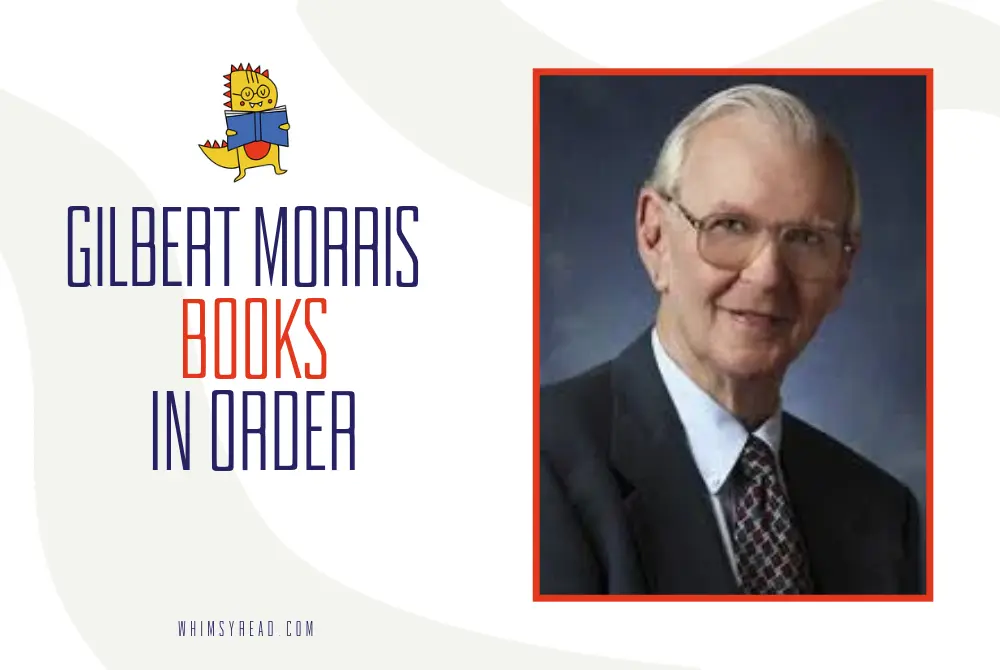
Gilbert Morris (1929–2016) built a career around historical adventure, faith-centered decisions, and characters tested by war, migration, family loyalty, and changing social values. His catalog stretches across American history, Regency-era adventures, Western fiction, and imaginative books for younger readers. Because it includes collaborations, repackaged editions, and dozens of series, a responsible reading guide needs to distinguish the major entry points rather than pretend all his books form one chain.
The House of Winslow Books in Order
The 40-volume House of Winslow is Morris’s signature multigenerational Christian historical saga. Descendants of the Winslow family move through colonial America, the Revolutionary and Civil War eras, westward expansion, and the twentieth century; chronological reading makes recurring family names and inherited conflicts much easier to understand.
1. The Honorable Imposter (1986)
Gilbert Winslow’s voyage with the Pilgrims and a young man’s uneasy religious calling establish the family’s American beginnings. Morris uses the family line to show how an individual’s moral choices can shape later generations, not just one historical moment. The story belongs in its numbered position because the saga proceeds through generations rather than returning to one permanent lead.
2. The Captive Bride (1987)
The early colonial story turns toward a woman caught between her family’s convictions and an uncertain marriage. The Christian-fiction element is woven into family obligation and historical change rather than being a detached lesson. It is particularly rewarding for readers who want historical context alongside a long-running family narrative.
3. The Indentured Heart (1988)
An indentured-servitude storyline carries the family into eighteenth-century inequality and the desire for a freer future. Its place in the chronological family saga matters because the next generation inherits a different political and social America. This is a full novel in the forty-book sequence, not one of the later Winslow Breed prequel novels.
4. The Gentle Rebel (1988)
Nathan Winslow’s era is the American Revolution, when conscience and loyalty divide neighbors and families. Readers following the sequence will recognize the novel’s interest in what remains of family loyalty when history demands change. Reading the volumes consecutively makes the changes in American society and the Winslow family much easier to appreciate.
5. The Saintly Buccaneer (1989)
Paul Winslow’s adventures connect faith and seafaring danger during the Revolutionary years. The historical background broadens the Winslows’ experiences while the central conflict remains grounded in personal relationships. For historical-Christian-fiction readers, the interest lies in the collision of public events, conviction, and private choices.
6. The Holy Warrior (1989)
This late-eighteenth-century chapter places the family amid violent struggle and an urgent test of faith. Morris uses the family line to show how an individual’s moral choices can shape later generations, not just one historical moment. The story belongs in its numbered position because the saga proceeds through generations rather than returning to one permanent lead.
7. The Reluctant Bridegroom (1990)
Sky Winslow’s story moves into the unsettled nineteenth-century frontier, with commitment and marriage at its center. The Christian-fiction element is woven into family obligation and historical change rather than being a detached lesson. It is particularly rewarding for readers who want historical context alongside a long-running family narrative.
8. The Last Confederate (1990)
The American Civil War begins to divide the Winslow world, pushing family duty against Confederate allegiance. Its place in the chronological family saga matters because the next generation inherits a different political and social America. This is a full novel in the forty-book sequence, not one of the later Winslow Breed prequel novels.
9. The Dixie Widow (1991)
A widowed woman’s experience gives the Civil War period a more domestic and personal perspective. Readers following the sequence will recognize the novel’s interest in what remains of family loyalty when history demands change. Reading the volumes consecutively makes the changes in American society and the Winslow family much easier to appreciate.
10. The Wounded Yankee (1991)
The conflict’s Union side and the cost of war to wounded men shape the next family story. The historical background broadens the Winslows’ experiences while the central conflict remains grounded in personal relationships. For historical-Christian-fiction readers, the interest lies in the collision of public events, conviction, and private choices.
11. The Union Belle (1992)
A Northern heroine brings an additional view of the Union and Confederate divide. Morris uses the family line to show how an individual’s moral choices can shape later generations, not just one historical moment. The story belongs in its numbered position because the saga proceeds through generations rather than returning to one permanent lead.
12. The Final Adversary (1992)
The extended wartime sequence brings conflicts over principle and loyalty toward a consequential reckoning. The Christian-fiction element is woven into family obligation and historical change rather than being a detached lesson. It is particularly rewarding for readers who want historical context alongside a long-running family narrative.
13. The Crossed Sabres (1993)
The story moves into postwar cavalry and frontier adventure, where service can be as dangerous as battle. Its place in the chronological family saga matters because the next generation inherits a different political and social America. This is a full novel in the forty-book sequence, not one of the later Winslow Breed prequel novels.
14. The Valiant Gunman (1993)
A gunman’s frontier existence draws the historical saga into disputes over justice and violence. Readers following the sequence will recognize the novel’s interest in what remains of family loyalty when history demands change. Reading the volumes consecutively makes the changes in American society and the Winslow family much easier to appreciate.
15. The Gallant Outlaw (1994)
The outlaw figure places law, personal loyalty, and redemption in uncomfortable opposition. The historical background broadens the Winslows’ experiences while the central conflict remains grounded in personal relationships. For historical-Christian-fiction readers, the interest lies in the collision of public events, conviction, and private choices.
16. The Jeweled Spur (1994)
Cavalry and frontier politics provide the setting for another generation facing duty and desire. Morris uses the family line to show how an individual’s moral choices can shape later generations, not just one historical moment. The story belongs in its numbered position because the saga proceeds through generations rather than returning to one permanent lead.
17. The Yukon Queen (1995)
The Yukon and its frontier promise draw the family toward the Gold Rush period. The Christian-fiction element is woven into family obligation and historical change rather than being a detached lesson. It is particularly rewarding for readers who want historical context alongside a long-running family narrative.
18. The Rough Rider (1995)
The late-nineteenth-century expansion of American influence frames a tale of ambition, service, and risk. Its place in the chronological family saga matters because the next generation inherits a different political and social America. This is a full novel in the forty-book sequence, not one of the later Winslow Breed prequel novels.
19. The Iron Lady (1996)
A forceful heroine emerges against a rapidly industrializing America. Readers following the sequence will recognize the novel’s interest in what remains of family loyalty when history demands change. Reading the volumes consecutively makes the changes in American society and the Winslow family much easier to appreciate.
20. The Silver Star (1997)
The turn-of-the-century family story balances public achievement with private commitments. The historical background broadens the Winslows’ experiences while the central conflict remains grounded in personal relationships. For historical-Christian-fiction readers, the interest lies in the collision of public events, conviction, and private choices.
21. The Shadow Portrait (1998)
This entry moves the saga into the twentieth century and the tension between public image and hidden history. Morris uses the family line to show how an individual’s moral choices can shape later generations, not just one historical moment. The story belongs in its numbered position because the saga proceeds through generations rather than returning to one permanent lead.
22. The White Hunter (1999)
The family travels into unfamiliar territory, making adventure and cross-cultural encounters central. The Christian-fiction element is woven into family obligation and historical change rather than being a detached lesson. It is particularly rewarding for readers who want historical context alongside a long-running family narrative.
23. The Flying Cavalier (1999)
Aviation and military service give the changing modern world a prominent role. Its place in the chronological family saga matters because the next generation inherits a different political and social America. This is a full novel in the forty-book sequence, not one of the later Winslow Breed prequel novels.
24. The Glorious Prodigal (2000)
A troubled relative’s return makes family acceptance and redemption especially important. Readers following the sequence will recognize the novel’s interest in what remains of family loyalty when history demands change. Reading the volumes consecutively makes the changes in American society and the Winslow family much easier to appreciate.
25. The Amazon Quest (2001)
The series stretches into distant terrain, giving exploration and inherited family obligations another test. The historical background broadens the Winslows’ experiences while the central conflict remains grounded in personal relationships. For historical-Christian-fiction readers, the interest lies in the collision of public events, conviction, and private choices.
26. The Golden Angel (2001)
This episode emphasizes a woman’s choices amid the social changes of the early twentieth century. Morris uses the family line to show how an individual’s moral choices can shape later generations, not just one historical moment. The story belongs in its numbered position because the saga proceeds through generations rather than returning to one permanent lead.
27. The Heavenly Fugitive (2002)
Flight and displacement shape the moral stakes for characters trying to find stability. The Christian-fiction element is woven into family obligation and historical change rather than being a detached lesson. It is particularly rewarding for readers who want historical context alongside a long-running family narrative.
28. The Fiery Ring (2002)
The saga considers the cost of passion and conflict as the world grows less predictable. Its place in the chronological family saga matters because the next generation inherits a different political and social America. This is a full novel in the forty-book sequence, not one of the later Winslow Breed prequel novels.
29. The Pilgrim Song (2003)
Music and personal vocation become part of the later Winslow family’s sense of belonging. Readers following the sequence will recognize the novel’s interest in what remains of family loyalty when history demands change. Reading the volumes consecutively makes the changes in American society and the Winslow family much easier to appreciate.
30. The Beloved Enemy (2003)
Old enmities return at a point when reconciliation demands difficult choices. The historical background broadens the Winslows’ experiences while the central conflict remains grounded in personal relationships. For historical-Christian-fiction readers, the interest lies in the collision of public events, conviction, and private choices.
31. The Shining Badge (2004)
Law enforcement, public duty, and personal integrity shape this later-generation chapter. Morris uses the family line to show how an individual’s moral choices can shape later generations, not just one historical moment. The story belongs in its numbered position because the saga proceeds through generations rather than returning to one permanent lead.
32. The Royal Handmaid (2004)
A woman moving through powerful social structures provides another perspective on duty and faith. The Christian-fiction element is woven into family obligation and historical change rather than being a detached lesson. It is particularly rewarding for readers who want historical context alongside a long-running family narrative.
33. The Silent Harp (2004)
Music, silence, and difficult emotion distinguish the increasingly modern family story. Its place in the chronological family saga matters because the next generation inherits a different political and social America. This is a full novel in the forty-book sequence, not one of the later Winslow Breed prequel novels.
34. The Virtuous Woman (2005)
A central woman’s moral courage stands against constraints imposed by those around her. Readers following the sequence will recognize the novel’s interest in what remains of family loyalty when history demands change. Reading the volumes consecutively makes the changes in American society and the Winslow family much easier to appreciate.
35. The Gypsy Moon (2005)
The family enters a period of change in which prejudice and belonging are harder to ignore. The historical background broadens the Winslows’ experiences while the central conflict remains grounded in personal relationships. For historical-Christian-fiction readers, the interest lies in the collision of public events, conviction, and private choices.
36. The Unlikely Allies (2005)
Two people with divided loyalties must find a workable path through conflict. Morris uses the family line to show how an individual’s moral choices can shape later generations, not just one historical moment. The story belongs in its numbered position because the saga proceeds through generations rather than returning to one permanent lead.
37. The High Calling (2006)
The idea of a personal calling links individual sacrifice to the family’s long Christian legacy. The Christian-fiction element is woven into family obligation and historical change rather than being a detached lesson. It is particularly rewarding for readers who want historical context alongside a long-running family narrative.
38. The Hesitant Hero (2006)
A hesitant protagonist must decide whether courage means accepting a role he never sought. Its place in the chronological family saga matters because the next generation inherits a different political and social America. This is a full novel in the forty-book sequence, not one of the later Winslow Breed prequel novels.
39. The Widow’s Choice (2006)
Grief and the prospect of renewed happiness focus this near-final family installment. Readers following the sequence will recognize the novel’s interest in what remains of family loyalty when history demands change. Reading the volumes consecutively makes the changes in American society and the Winslow family much easier to appreciate.
40. The White Knight (2007)
The fortieth book closes the family’s long historical journey, rewarding readers who have followed generations of choices. The historical background broadens the Winslows’ experiences while the central conflict remains grounded in personal relationships. For historical-Christian-fiction readers, the interest lies in the collision of public events, conviction, and private choices.
Why begin with The Honorable Imposter?
The Honorable Imposter introduces the family line against the background of early English settlement in North America. Beginning there gives subsequent generations historical and emotional context: later characters are not merely experiencing isolated wars or romances, but living with the consequences of their ancestors’ decisions.
What the middle and later Winslow novels offer
Titles such as The Last Confederate, The Dixie Widow, and The Wounded Yankee place personal loyalty against the divided allegiances of the Civil War. Later entries widen the landscape to the Yukon, frontier adventures, and modern conflicts, so the saga can also work as an extended journey through American historical settings.
Seven Sleepers: Young-Reader Fantasy and Adventure
Readers looking for something shorter and more adventurous can turn to the Seven Sleepers books. The young protagonists face strange societies, moral trials, and a fantasy world shaped by good-versus-evil conflict rather than the documentary historical framework of House of Winslow.
1. Flight of the Eagles (1994)
Josh Adams and the other sleepers wake in an unfamiliar future world and begin their mission against darkness. Josh and his companions must weigh faith and friendship against the unfamiliar rules of the world they are exploring. Readers who like fast-moving Christian fantasy will find the shared quest more important than strict realism.
2. The Gates of Neptune (1994)
The friends’ quest leads to an underwater or sea-centered danger in which courage and trust are tested. The adventure uses an imaginative setting and clear moral stakes without asking young readers to know American history. The series builds toward The Final Kingdom, so continuing in numerical order is the clearest approach.
3. The Sword of Camelot (1995)
Arthurian imagery and the legendary sword introduce a new fantasy adventure for the young travelers. The fantasy quest keeps the ongoing struggle between light and darkness in view as the group develops courage. Read it after the previous adventure to follow the sleepers and their evolving group dynamic.
4. The Caves That Time Forgot (1995)
The group ventures into a mysterious, enclosed world where exploration creates both wonder and peril. For readers ages roughly ten to fourteen, the danger is balanced by teamwork and a strong sense of purpose. It is one of the ten main adventures, not a separate Lost Chronicles companion.
5. Winged Raiders of the Desert (1995)
A desert journey brings fierce adversaries and strange aerial threats into the sleepers’ path. Josh and his companions must weigh faith and friendship against the unfamiliar rules of the world they are exploring. Readers who like fast-moving Christian fantasy will find the shared quest more important than strict realism.
6. Empress of the Underworld (1996)
The friends confront a powerful figure whose dominion reveals the sinister side of their world. The adventure uses an imaginative setting and clear moral stakes without asking young readers to know American history. The series builds toward The Final Kingdom, so continuing in numerical order is the clearest approach.
7. Voyage of the Dolphin (1996)
An ocean journey makes the voyage itself as important as the forces waiting at the destination. The fantasy quest keeps the ongoing struggle between light and darkness in view as the group develops courage. Read it after the previous adventure to follow the sleepers and their evolving group dynamic.
8. Attack of the Amazons (1996)
The company meets formidable female warriors and must rely on judgment rather than force alone. For readers ages roughly ten to fourteen, the danger is balanced by teamwork and a strong sense of purpose. It is one of the ten main adventures, not a separate Lost Chronicles companion.
9. Escape with the Dream Maker (1997)
The Dream Maker adds a new kind of threat in which illusions and hopes become difficult to separate. Josh and his companions must weigh faith and friendship against the unfamiliar rules of the world they are exploring. Readers who like fast-moving Christian fantasy will find the shared quest more important than strict realism.
10. The Final Kingdom (1997)
The tenth adventure brings the sleepers’ larger quest toward its concluding confrontation. The adventure uses an imaginative setting and clear moral stakes without asking young readers to know American history. The series builds toward The Final Kingdom, so continuing in numerical order is the clearest approach.
The series also has short or companion stories in some catalogs, and a separate Seven Sleepers: The Lost Chronicles line. These should not be silently inserted as full numbered novels between the core adventures.
Cheney Duvall, M.D., and the Importance of Coauthors
Cheney Duvall, M.D., written with Lynn Morris, follows a woman physician whose ambitions challenge the expectations of her historical setting. Start with The Stars for a Light and continue in the numbered order shown on the edition you are using. Readers drawn to historical medicine, gender restrictions, and a strong central heroine may prefer these books to the sprawling Winslow family saga.
Cheney Duvall, M.D.: Eight Novels in Reading Order
Gilbert Morris and Lynn Morris coauthored the eight-book series. Unlike the generational House of Winslow, it follows one physician and her recurring partner, so the individual investigations and the long-running personal story are best experienced in publication order.
1. The Stars for a Light (1994)
Newly trained physician Cheney Duvall accepts a job escorting prospective brides westward, accompanied by Shiloh Irons. The partnership with Shiloh Irons adds personal continuity to each new case and difficult journey. It is a good fit for readers who prefer one recurring heroine over a forty-volume family genealogy.
2. Shadow of the Mountains (1994)
Cheney’s medical work and her developing partnership with Shiloh confront the dangers of a mountainous frontier. Morris and Lynn Morris place medical ethics inside an era when female physicians faced significant resistance. The nineteenth-century setting creates real constraints while the central characters remain fictional.
3. A City Not Forsaken (1995)
The doctor faces a new community and the skepticism reserved for a professional woman in the nineteenth century. Cheney’s practical training becomes meaningful when frontier conditions offer little equipment or institutional support. This is a numbered novel in the eight-book series, not a separate Gilbert Morris historical saga.
4. Toward the Sunrising (1996)
A westward journey broadens the medical and personal challenges facing Cheney and Shiloh. Her independence and the bond she forms with Shiloh are as important as the period medical challenges. Read chronologically to follow the pair’s evolving professional and personal relationship.
5. Secret Place of Thunder (1996)
The pair confront hidden dangers in a new setting while balancing convictions with the demands of patient care. The partnership with Shiloh Irons adds personal continuity to each new case and difficult journey. It is a good fit for readers who prefer one recurring heroine over a forty-volume family genealogy.
6. In the Twilight, in the Evening (1997)
Questions of time, change, and their evolving relationship gain weight as the historical series progresses. Morris and Lynn Morris place medical ethics inside an era when female physicians faced significant resistance. The nineteenth-century setting creates real constraints while the central characters remain fictional.
7. Island of the Innocent (1998)
A difficult journey to an island introduces new vulnerabilities and ethical dilemmas for the traveling physician. Cheney’s practical training becomes meaningful when frontier conditions offer little equipment or institutional support. This is a numbered novel in the eight-book series, not a separate Gilbert Morris historical saga.
8. Driven with the Wind (2000)
The final installment brings Cheney and Shiloh’s long journey through frontier medicine and personal commitment to a close. Her independence and the bond she forms with Shiloh are as important as the period medical challenges. Read chronologically to follow the pair’s evolving professional and personal relationship.
Other Major Gilbert Morris Series: An Orientation
The Appomattox Saga
A ten-book historical sequence beginning with A Covenant of Love, centered on lives shaped by the American Civil War and its aftermath. Faith and divided loyalties are central, so readers who liked the Civil War portions of Winslow have a natural next destination.
The Wakefield Dynasty
A historical family saga beginning with The Sword of Truth. It follows changes in European history through the experiences of a recurring family, with religious and political upheaval providing the backdrop.
Dani Ross Mysteries
A Christian mystery line beginning with Guilt by Association, with some volumes marketed under alternative titles. Follow the character sequence rather than buying apparent duplicates without checking whether the contents are the same.
The Price of Liberty
A period saga beginning with The Color of the Star, exploring patriotism, sacrifice, and individuals caught in larger national struggles.
Lions of Judah
Biblical historical novels beginning with Heart of a Lion. These are designed for readers who want scriptural-era settings and imaginative treatments of historical and spiritual events.
The Lady Trent Mysteries
Three shorter historical mysteries beginning with The Mermaid in the Basement, followed by A Conspiracy of Ravens and Sonnet to a Dead Contessa. They offer a more compact series for readers wary of committing to forty volumes.
Western and American family series
Jim Reno, Bonnets & Bugles, American Century, Spirit of Appalachia, and Chronicles of the Golden Frontier provide different routes through frontier, war, and domestic historical fiction. Because titles and publication histories vary, identify the individual series before choosing a book.
Choosing a Gilbert Morris Series by Reading Mood
| If you enjoy | Start with | Why it fits |
| Generational American history | The Honorable Imposter | Forty linked Winslow family novels |
| Youth fantasy and moral adventure | Flight of the Eagles | A faster, more imaginative quest |
| Historical medicine and resilient heroines | The Stars for a Light | Cheney Duvall’s professional journey |
| Civil War stories | A Covenant of Love | A tighter historical sequence |
| Historical whodunits | The Mermaid in the Basement | A compact mystery trilogy |
How to Avoid Duplicate Editions
Gilbert Morris’s older books often appear in omnibus sets and reprinted editions. Some have alternate spellings in catalog records—The Jeweled Spur, for example, can be rendered as The Jeweled Spur—and a new cover is not evidence of a new story. For accurate book counts, keep original novels, omnibus collections, coauthored titles, and shorter companion fiction in separate categories.
A Tour of American History Through One Family
The remarkable appeal of House of Winslow is its time scale. Readers encounter early colonial religious disputes before moving through revolutionary politics, the social divisions preceding the Civil War, frontier life, and twentieth-century upheaval. The protagonists change, but family identity carries forward. For someone interested in historical fiction, this allows comparison across eras: ideas about duty, marriage, education, commerce, and Christian service look different when a story moves from seventeenth-century settlement to a modernizing nation. The multi-generational structure is an editorial advantage, not a barrier to understanding the books.
Historical Accuracy and the Role of Faith
Morris wrote historical fiction, not textbooks, and his characters’ choices are framed through a distinctly Christian moral lens. Wars and political events provide real historical background, while individual conversations, romances, and dramatic scenes are imagined. Readers who want to understand the eras depicted should treat the novels as gateways to historical questions rather than substitute them for a documentary history. This also helps explain the author’s broad readership: the books join adventure and family story with questions of spiritual conviction, moral failure, and forgiveness.
What About the Winslow Breed Prequels?
The Winslow Breed is a later related trilogy—Honor in the Dust, When the Heavens Fall, and As the Sparks Fly Upward—that some community databases attach before House of Winslow as books 0.5, 0.6, and 0.7. These were issued long after the original House of Winslow opening volumes. Readers should not mistake the decimals for an instruction that the prequels must be read before The Honorable Imposter: the established main saga still begins with that novel. Publication context often matters more than internal chronology when a companion trilogy arrives decades later.
A Short Route for Readers Who Do Not Want Forty Volumes
A practical sampling strategy is to read The Honorable Imposter first, then decide whether its combination of family continuity, faith, and historical detail is what you want. If you prefer a protagonist who remains central throughout, switch to Cheney Duvall, M.D.; if you want a shorter mystery commitment, read the three Lady Trent books. Seven Sleepers is the better route for younger readers or anyone looking for inventive fantasy adventure. These alternatives respect the differences among Morris’s series instead of assuming a reader interested in one automatically wants every other.
Frequently Asked Questions About Gilbert Morris Books
How many books did Gilbert Morris write?
His bibliography runs into the hundreds; one major catalog indexes more than 250 entries across dozens of series. The exact total changes depending on whether coauthored books, short fiction, reprints, and omnibus editions are counted. It is more useful to count the books in the particular series you want to read.
What is Gilbert Morris’s longest series?
The House of Winslow contains 40 main volumes and is the most immediately recognizable long-form sequence in his bibliography. Because the focus passes between generations, readers will gain more from following the established order than choosing volumes randomly.
Are Gilbert Morris books Christian fiction?
Yes, faith and moral choice are prominent in much of his writing, although the precise balance changes across historical romance, mystery, Western adventure, and children’s fantasy. The books are not all identical in subject or target age.
Did Gilbert Morris write Cheney Duvall alone?
No. The Cheney Duvall, M.D., books were coauthored with Lynn Morris, an important distinction when assembling a complete bibliography. Other Morris titles also involve family collaborations, so individual author credits deserve checking.
Where should a new reader begin?
For a signature experience, begin House of Winslow with The Honorable Imposter. If a forty-book commitment feels too large, consider the Lady Trent mystery trilogy or the opening Seven Sleepers novel, which offer more manageable ways to sample Morris’s range.
Are all ten Seven Sleepers novels included in the reading order?
Yes. The full original sequence contains ten adventures, including The Caves That Time Forgot and Winged Raiders of the Desert, which are sometimes omitted from shortened lists. The Final Kingdom is book ten, and the publisher also offers a separate complete ten-book set.
Should the Winslow Breed prequels be read before House of Winslow?
Not necessarily. The later Winslow Breed trilogy provides earlier family history, but the original forty-book House of Winslow series begins with The Honorable Imposter. Publication order is a sensible first-read choice because it introduces the family exactly as Morris originally developed it.
Final Thoughts
There is no useful one-size-fits-all chronological order for all of Gilbert Morris’s fiction. Treat his work as a collection of separate historical, mystery, and fantasy reading journeys; choose the one that matches your interests and begin with its first volume.

Leave a Reply