
The Cold War: 5 Books on the Defining Moments of Global History
The Cold War defined the latter half of the twentieth century, transforming global alliances, accelerating the nuclear age, and reshaping the borders of Europe, Asia, Africa, and the Middle East. Understanding this epic ideological and political standoff requires a mix of diplomatic history, personal leadership accounts, and stories of covert action.
Below are five outstanding books designed to help you explore the complexities of the era.
The 5 Best Books On The Cold War
1. The Cold War: A New History
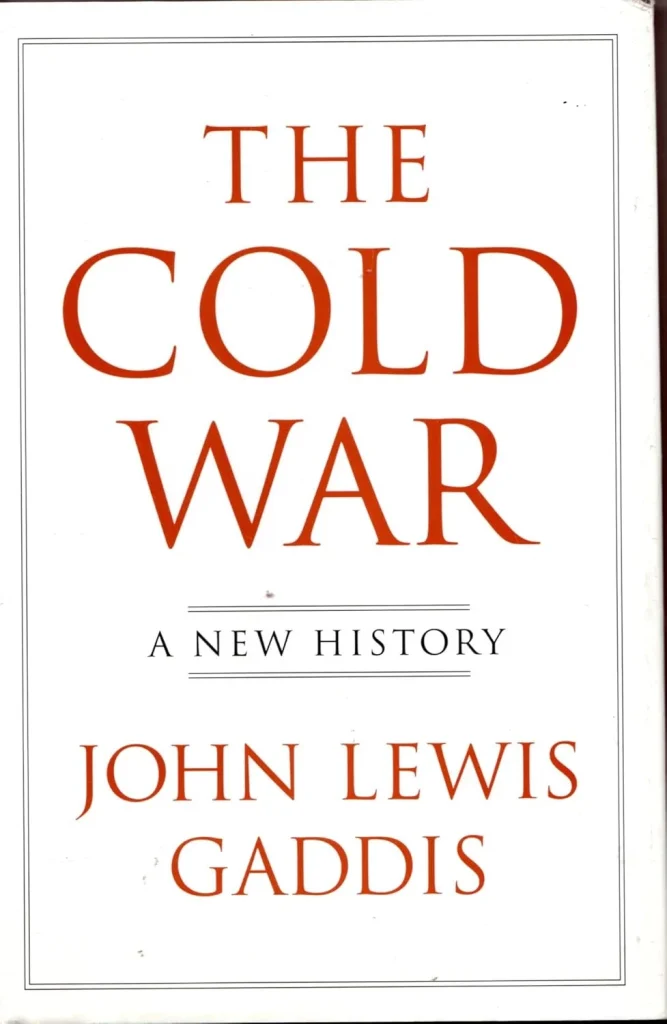
Author: John Lewis Gaddis
Publication Date: December 26, 2006
My Review
Referred to by The New York Times as the “dean of Cold War historians,” John Lewis Gaddis delivers a fast-paced, lucid synthesis of the conflict. He explains the major moments of the era, from the initial alliance breakdown in 1945 to the tense maneuvers of leaders such as Reagan and Gorbachev.
This book is highly recommended for its accessible prose and dramatic flair, making it an excellent starting point for understanding the global struggle between capitalism and communism.
2. The Cold War: A World History
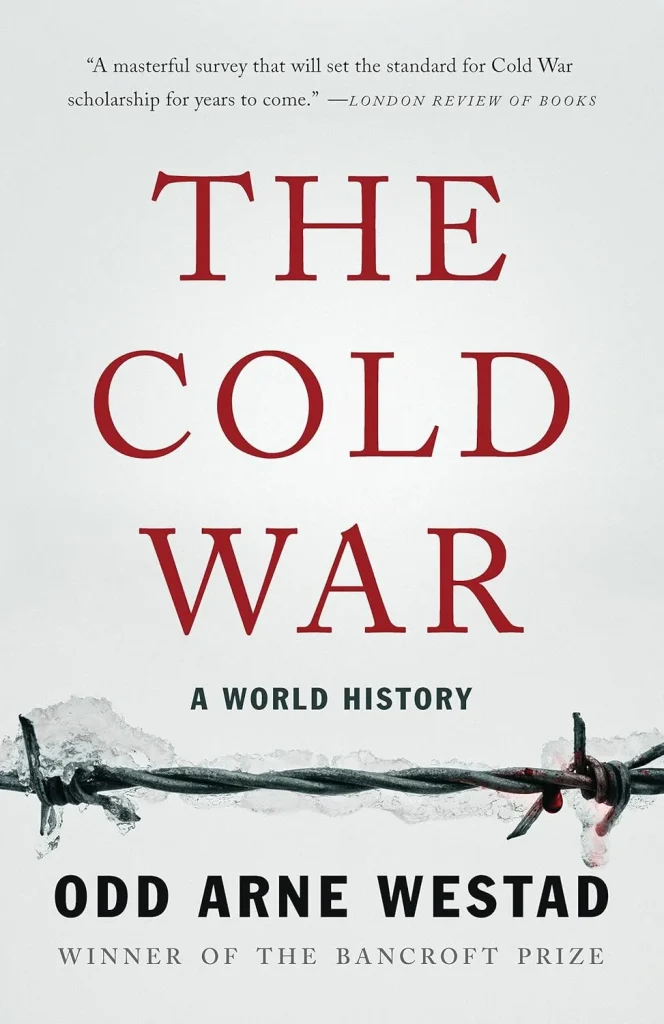
Author: Odd Arne Westad
Publication Date: September 5, 2017
My Review
Odd Arne Westad expands our geographical understanding of the conflict by showing that its deepest reverberations were felt far outside of Europe. Westad connects the Cold War to deep historical roots, including the Industrial Revolution, and illustrates its legacy in modern-day Asia, Africa, and the Middle East.
It is an indispensable book for readers who want to understand how the conflict shaped the modern world beyond the U.S.-Soviet rivalry.
3. Blind Man’s Bluff: The Untold Story of American Submarine Espionage
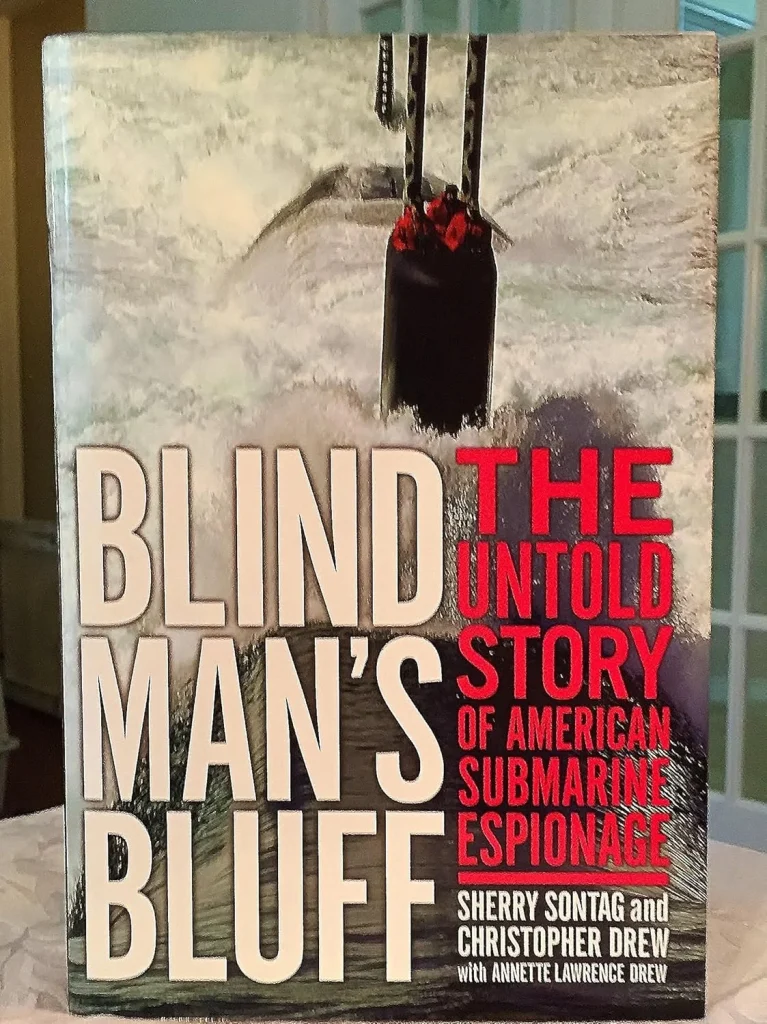
Authors: Sherry Sontag, Christopher Drew, and Annette Lawrence Drew
Publication Date: April 5, 2016
My Review
This vividly documented bestseller gives readers an insider look at the hazards of covert submarine espionage. It tells the true story of how American and Soviet submarines played a silent, deadly game of cat-and-mouse in the ocean depths.
It reads like a high-stakes thriller and is highly recommended for those interested in the covert technological and military operations of the time.
4. Reagan and Gorbachev: How the Cold War Ended
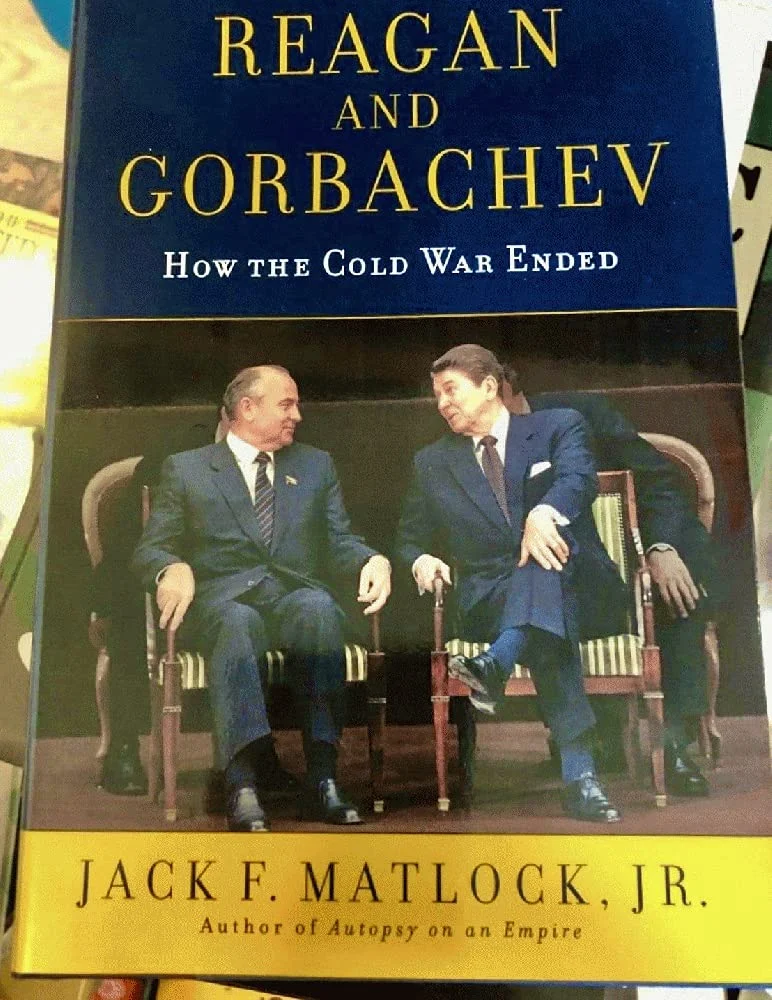
Author: Jack Matlock
Publication Date: November 8, 2005
My Review
Written by the former U.S. ambassador to the U.S.S.R., this book offers an insider’s view of the diplomatic moves that brought the Cold War to a peaceful close. Matlock demonstrates how Reagan’s private diplomacy and Gorbachev’s reform efforts combined to dismantle an entrenched cycle of hostility.
The book is an essential read for anyone interested in high-level negotiation, leadership, and the peaceful resolution of major conflicts.
5. For the Soul of Mankind
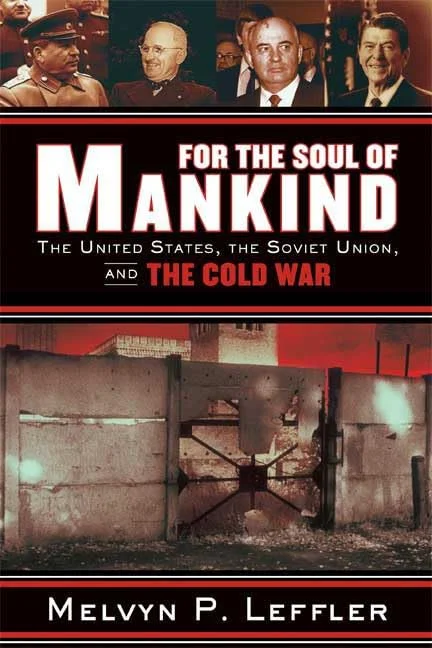
Author: Melvyn P. Leffler
Publication Date: September 2, 2008
My Review
Melvyn P. Leffler asks why the Cold War lasted as long as it did, analyzing four crucial turning points when peace was within reach but ultimately slipped away due to ideological rigidity and allied pressures.
It is highly recommended for its balanced analysis of how the mindsets of earlier leaders differed from those who finally brought the conflict to an end.
Core Themes of the Cold War
To fully grasp the historical significance of the era, it is helpful to keep these core themes in mind:
- Containment and Proxy Wars: Note how the desire to prevent the spread of communism drew the United States and the Soviet Union into conflicts in Korea, Vietnam, and beyond.
- Mutually Assured Destruction: Understand how the threat of nuclear annihilation paradoxically kept the “long peace” between the superpowers.
- Ideology vs. Realpolitik: Observe how deeply held beliefs often conflicted with pragmatic diplomacy until specific leaders chose to redefine their relationship.
The Nuclear Brinkmanship
To understand the tension of the era, the Cuban Missile Crisis remains the defining moment when the threat of nuclear conflict peaked.
Conclusion
Building a diverse library of Cold War literature gives you a clear picture of how modern international relations evolved. I hope these selections provide you with a deeper understanding of this geopolitical era.
Which of these historical perspectives are you planning to read next?

Leave a Reply