
Best Emotional Intelligence Books I Rely on for Better Leadership
In an era dominated by screens and automated workflows, one human skill remains our strongest competitive edge: emotional intelligence (EQ). Navigating the complexities of life and the workplace requires a deep understanding of our own emotional landscapes, empathy for others, and the mental agility to thrive under stress.
Drawing from my own experience with personal development and communication, I have found that building a strong foundation in emotional intelligence changes everything—from how we deal with daily pressures to the quality of our relationships. Below are five outstanding books designed to help you strengthen this vital skill set.
The 5 Best Books On Emotional Intelligence
1. Emotional Intelligence: Why It Can Matter More Than IQ
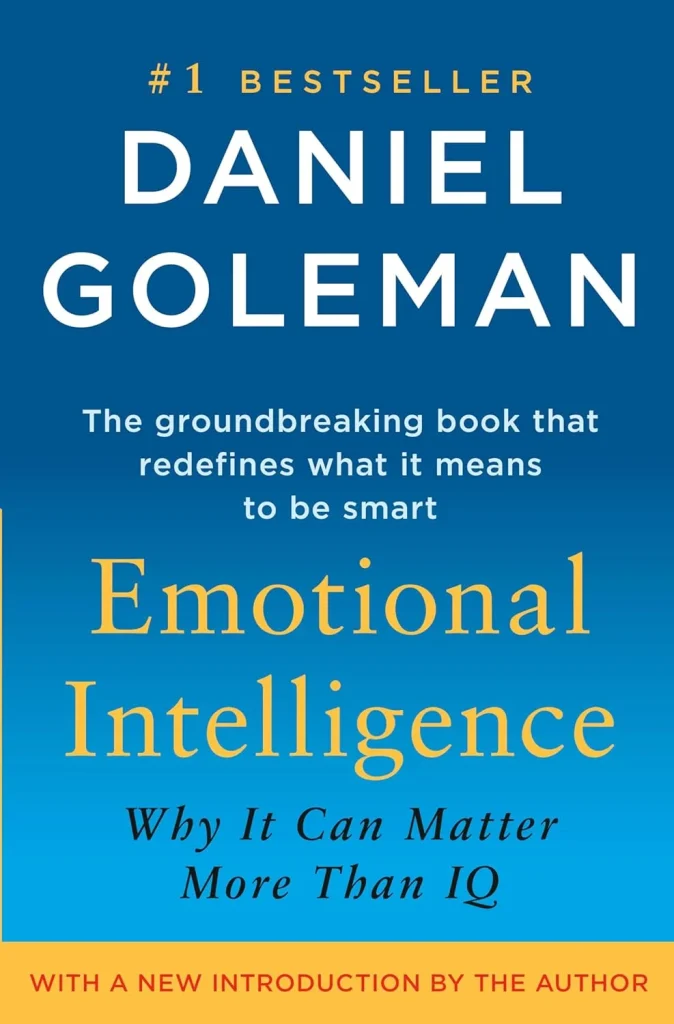
Author: Daniel Goleman
Publication Date: September 27, 2005 (25th Anniversary Edition)
My Review
Daniel Goleman’s groundbreaking work fundamentally changed how we view intelligence. He explores the concept of the “two minds”—the rational and the emotional—and illustrates how self-discipline, self-awareness, and empathy often predict success and happiness far better than traditional IQ measures.
What makes this edition vital for modern readers is Goleman’s introduction addressing life in a digitized, online-first world. It provides reassurance and evidence that these emotional skills are not fixed at birth, but can be nurtured at any stage of life.
2. Permission to Feel: The Power of Emotional Intelligence to Achieve Well-Being and Success
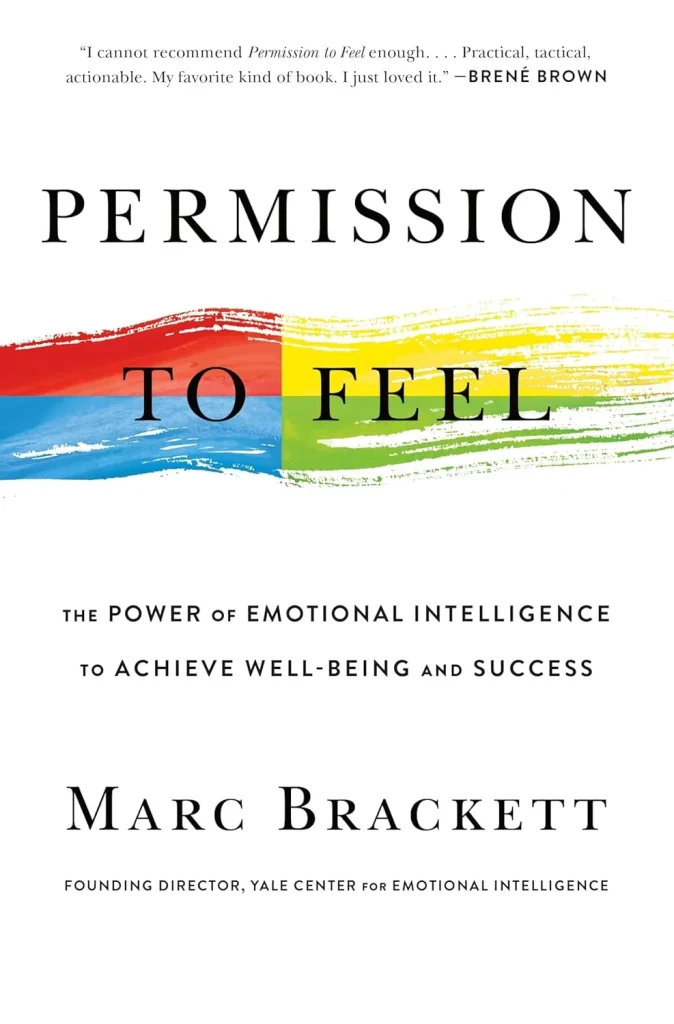
Author: Marc Brackett, Ph.D.
Publication Date: September 3, 2019
My Review
Marc Brackett, the founding director of the Yale Center for Emotional Intelligence, offers a highly effective blueprint for mastering our emotions. Sharing his personal journey, Brackett introduces the RULER approach—a system designed to help children and adults understand, label, and regulate their emotions.
This book is both deeply scientific and highly compassionate. It strips away the shame often associated with difficult emotions and provides actionable strategies to prevent burnout, reduce stress, and improve school and workplace climates.
3. Emotional Intelligence 2.0
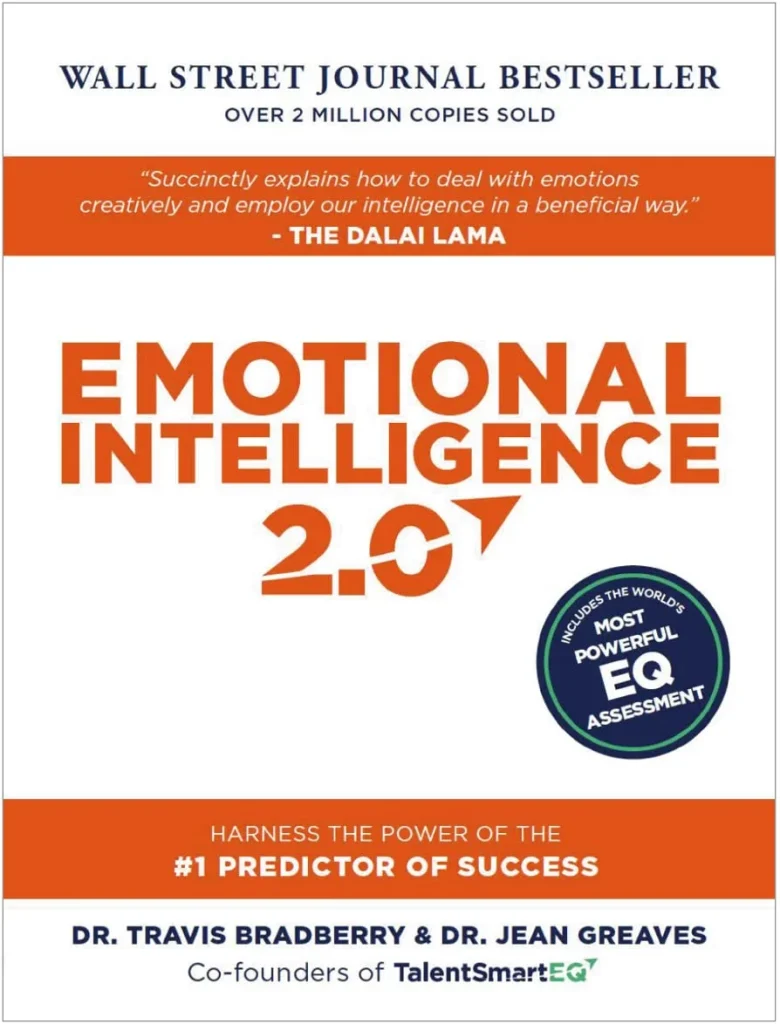
Authors: Dr. Travis Bradberry and Dr. Jean Greaves
Publication Date: June 16, 2009 (Fully updated in 2021)
My Review
If you are looking for a highly practical, assessment-driven guide, this is the gold standard. Backed by Fortune 500 research, the book organizes EQ into four core skills: Self-Awareness, Self-Management, Social Awareness, and Relationship Management.
What sets this book apart is the inclusion of 66 time-tested strategies to actively improve these four skills. Furthermore, the book provides a passcode for the Emotional Intelligence Appraisal®, allowing you to measure your baseline and track your progress as you learn.
4. Emotional Intelligence: For a Better Life, Success at Work, and Happier Relationships
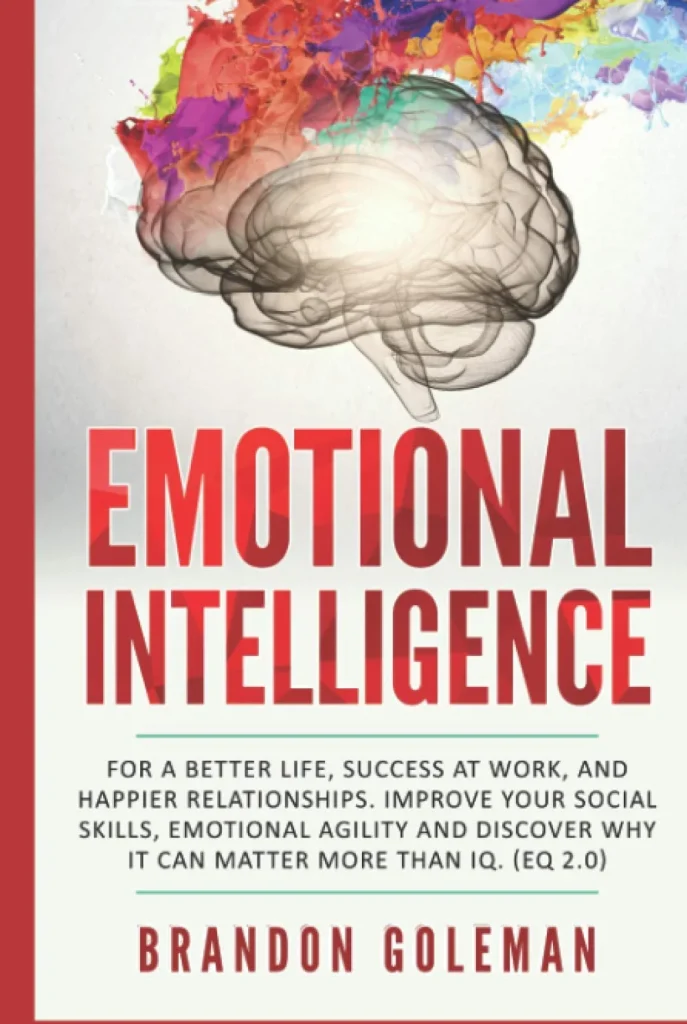
Author: Brandon Goleman
Publication Date: June 17, 2019
My Review
This highly accessible guide focuses on the universal applications of EQ in daily life. It acts as an actionable, personal roadmap for readers who want to stop letting stress or negative thoughts dictate their actions.
The book excels at teaching communication skills and empathy, showing how to read the emotions of others to build deeper connections. It serves as a wonderful, straightforward starting point for anyone looking to master self-awareness and self-mastery.
5. The Happiness Advantage: The Seven Principles of Positive Psychology That Fuel Success and Performance at Work
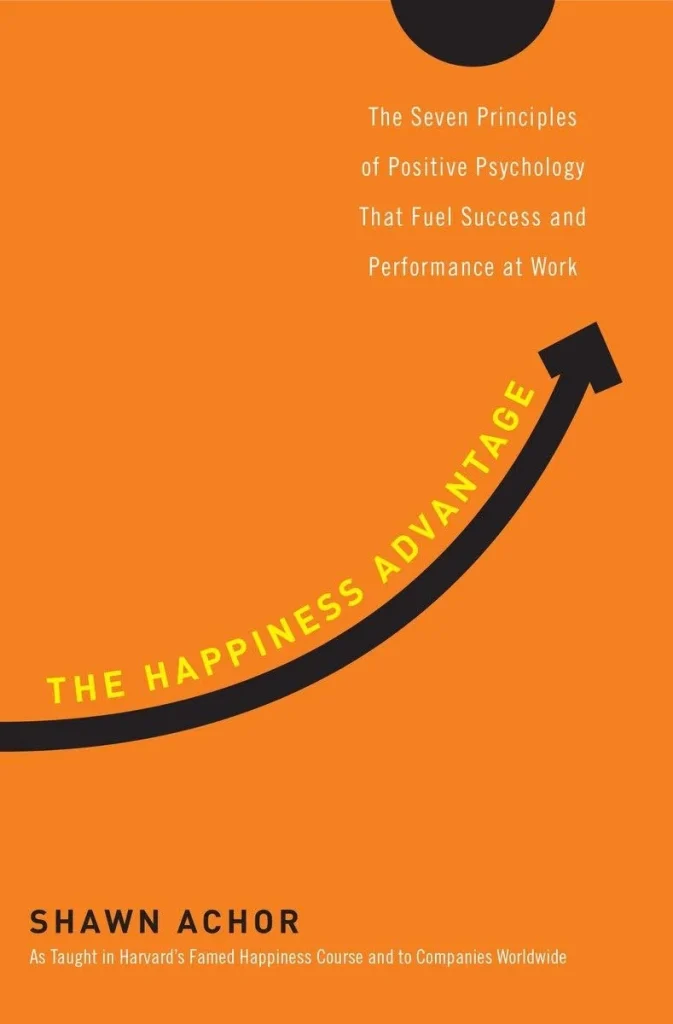
Author: Shawn Achor
Publication Date: September 14, 2010
My Review
Shawn Achor turns conventional wisdom on its head: instead of believing that success brings happiness, he shows that positivity and happiness actually fuel success. Drawing on extensive research, Achor provides principles to help rewire our brains for optimism.
Strategies like the “Tetris Effect” and “Social Investment” give readers practical wireframes to build both resilience and a positive emotional state. It is an uplifting read that shows how small shifts in our mind-set lead to large gains in productivity and well-being.
Cultivating Meaningful Connections and Emotional Agility
Developing your emotional intelligence goes far beyond reading data or achieving temporary milestones; it is about cultivating a sustainable, self-aware mindset that positively influences every area of your life. Emotional mastery allows us to respond rather than react, turning moments of stress into opportunities for personal growth and stronger human connections.
By applying these insights, you can create a working environment and personal life defined by resilience and empathy:
- Self-Awareness: Learning to recognize emotional triggers and internal patterns before they escalate.
- Self-Management: Applying the principles of positive psychology to keep negativity, stress, and anxiety in check.
- Social Awareness: Using empathy to understand others, build instant connections, and lead with authenticity.
- Relationship Management: Communicating clearly, influencing without manipulation, and fostering trust within your family and workplace.
Conclusion
Building a personal library around emotional intelligence is an investment that yields lifelong rewards in self-mastery and communication. I hope these selections provide the practical tools and comfort you need to navigate our complex world with grace and confidence.
Which of these essential EQ guides are you planning to add to your personal reading list next?

Leave a Reply