
I’ll admit it, I used to think coaching books were mostly fluff. Back in my banking days, I’d skim through leadership manuals that promised transformation but felt more like lecture notes than life-changing advice. But then, as I transitioned into my work in SEO and content strategy, and started mentoring younger professionals, I realized I needed something deeper: a way to guide people without always giving them the “answer.” That’s when executive coaching books started to feel less like homework and more like secret playbooks I could apply at work, in theater rehearsals, and even at the dinner table with my kids.
So, if you’ve ever wondered which books can actually change how you lead, talk, and coach, here are five of the best executive coaching books that truly earned their spot on my shelf.
5 Best Executive Coaching Books
1. Trillion Dollar Coach by Eric Schmidt, Jonathan Rosenberg, and Alan Eagle
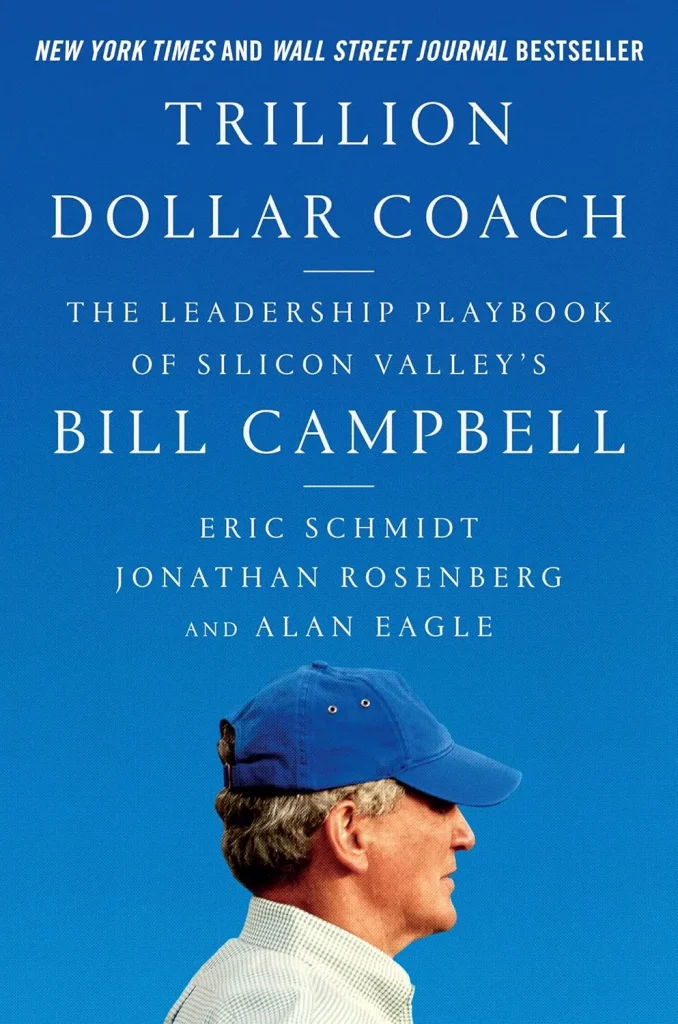
This book is part tribute, part playbook. Bill Campbell wasn’t just a coach, he was the “Coach” who shaped the culture at Apple, Google, and countless other companies. What I loved most wasn’t just the impressive roster of names he mentored, but how much of his wisdom boiled down to trust and humanity. Even in high-pressure environments, he knew success wasn’t just about strategy, it was about caring deeply for people.
Reading it reminded me of my old cricket captain back in school. He didn’t just set the batting order; he made sure everyone felt they belonged on the team. That same philosophy runs through Campbell’s lessons, leaders build lasting success by building people first. If you’ve ever struggled with balancing performance and empathy, this book will hit home.
2. Co-Active Coaching (Fourth Edition) by Henry Kimsey-House et al.
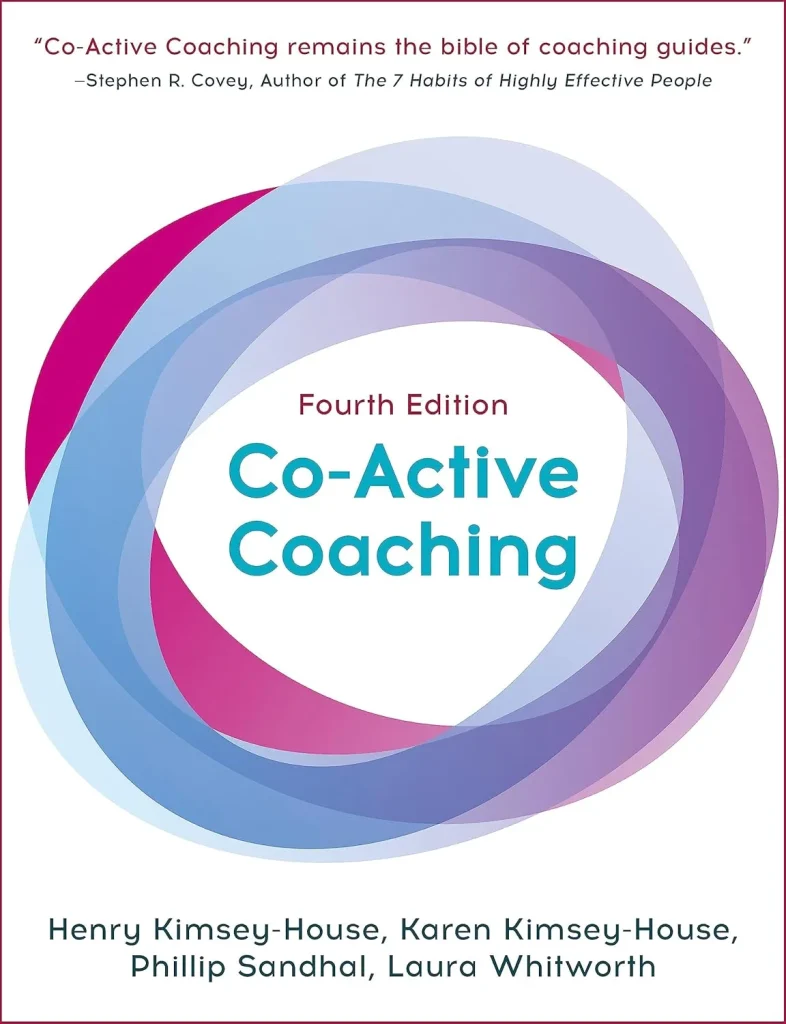
If “Trillion Dollar Coach” is about philosophy, Co-Active Coaching is the toolkit. This one’s a heavy hitter, it lays out exercises, models, and frameworks that actually show you how to hold transformative conversations. It’s not just theory; it’s worksheets, reflective prompts, and real-world application. I found myself dog-earing pages like I was studying for an exam (except this exam was life).
What makes it powerful is how adaptable it is. I tried one of its reflective exercises on listening more than speaking, and let’s just say, my teenage son noticed the difference before I did. Instead of me jumping in with “dad advice,” I found myself listening to his take on a group project. His confidence in that moment reminded me: coaching isn’t about telling, it’s about drawing out.
3. Fierce Conversations by Susan Scott
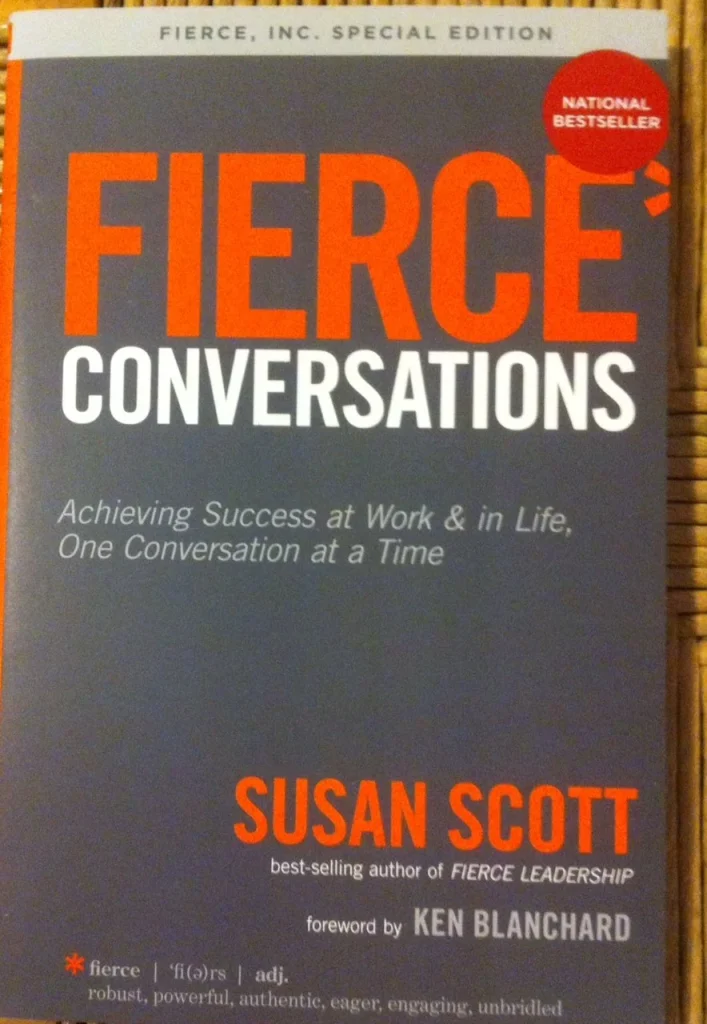
This one’s a gut punch, in the best way. Susan Scott doesn’t sugarcoat; she believes real transformation comes one tough conversation at a time. Her book gave me permission to stop dodging the uncomfortable. Whether at work or at home, the principle is the same: clarity is kindness.
It also tapped into my theater background. On stage, the most powerful moments aren’t the monologues, they’re the raw, honest exchanges between characters. Fierce Conversations reminded me that real life works the same way. When you’re brave enough to go deep, the script changes.
4. The Introvert’s Edge by Matthew Pollard
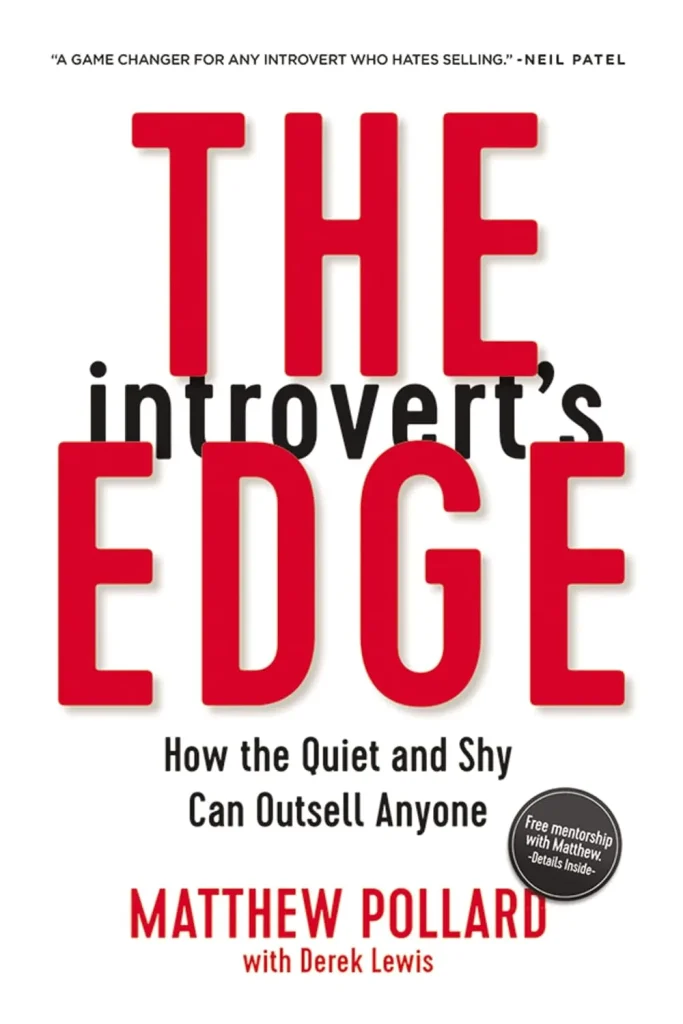
This book surprised me the most. Sales has never been my strong suit, too much pressure, too much “performing.” But Pollard reframes it brilliantly: introverts aren’t at a disadvantage, they’re equipped differently. His step-by-step process showed me how structure and listening can actually outperform charisma and charm.
It resonated with me because, in cricket and football, I was rarely the loudest voice on the field, but I was always analyzing the game. Pollard makes the case that introverts win by leaning on that very strength. Honestly, even if you don’t see yourself as an introvert, this is a masterclass in systematic, authentic selling.
5. The Coaching Habit by Michael Bungay Stanier
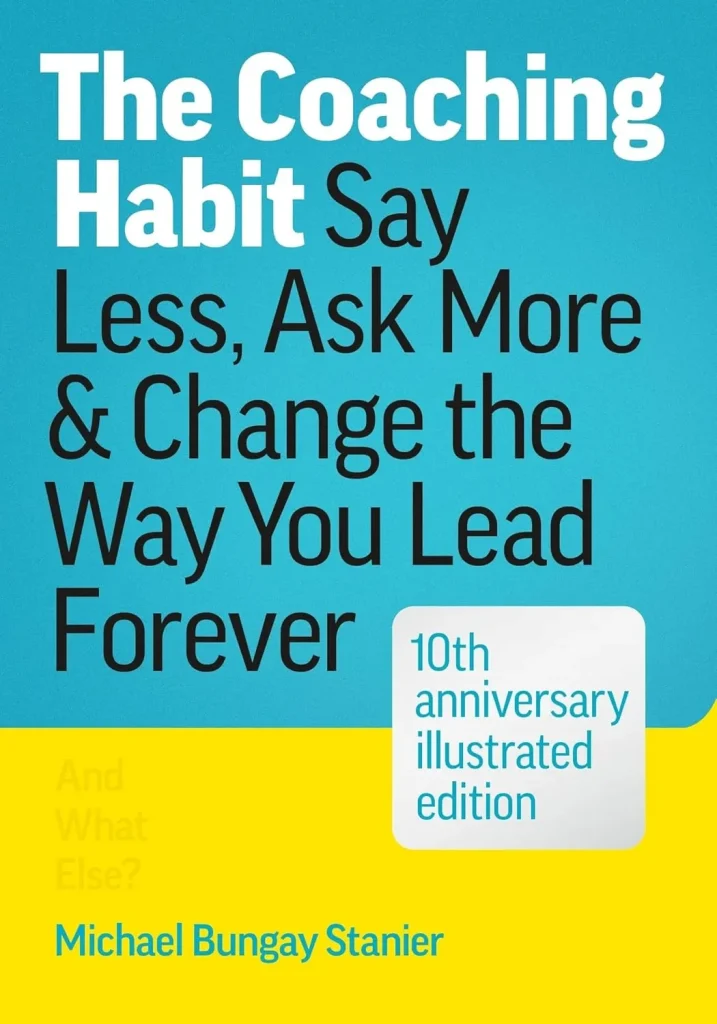
This one is a classic for a reason. Seven questions, that’s it. But these aren’t just any questions; they’re designed to spark deeper thinking, accountability, and growth in the person you’re coaching. It strips away the noise and makes coaching feel doable in everyday interactions.
I started applying just one question from the book, “What’s the real challenge here for you?”, in my client meetings. The difference was immediate. Instead of me filling the air with solutions, the conversation slowed down and opened up. It was like moving from a scripted play to true improv, the other person stepped into the spotlight, and that’s when the breakthroughs happened.
Affiliate Disclosure: As an Amazon Associate, I earn from qualifying purchases
When Coaching Feels Personal
What ties all these books together for me is that they’ve made me more intentional, not just as a strategist or mentor, but as a dad and husband too. Coaching is really about presence. My daughter once asked me for help with her school project, and my instinct was to give her the “efficient” solution. But I stopped, remembered The Coaching Habit, and instead asked her what she thought first. Watching her solve it herself was more rewarding than swooping in with the answer.
I think back to my banker days, where efficiency was everything. Now, in leadership and family life, I see the opposite is often true: slowing down, asking the right question, and letting people find their own path creates results that last. These books helped me make that shift, not overnight, but in small, steady ways.
Final Thoughts
If you’ve ever rolled your eyes at coaching books, I get it, I was right there with you. But the best ones aren’t about buzzwords or corporate jargon; they’re about real human connection, about bringing out the best in others without losing yourself in the process.
So if you’re looking for the best executive coaching books that can genuinely sharpen your leadership and life, start with these five. And if you’ve already read one, I’d love to know, which idea stuck with you the most? Drop me a comment, I’m always looking for new coaching stories to learn from.
Know Your Author

Hi, I’m Emon
I’m the voice and heart behind Whimsy Read. After nine years in the world of banking, I followed my passion for storytelling into the world of SEO and content strategy. Now, I blend that analytical eye with a deep love for literature to bring you book reviews that are thoughtful, honest, and always focused on the stories that stay with you.
When I’m not reading or writing, you’ll find me enjoying joyful chaos with my wife and three kids, getting lost in a new series, or revisiting my old loves: theater, music, and gaming. At the end of the day, I believe great books are meant to be shared, and I’m so glad you’re here to share them with me.




Leave a Reply