I’ll be honest, mental health books were never “light reading” for me. Back in my banking days, I leaned on biographies and thrillers to unwind. But once I shifted careers and started digging into human behavior through healthcare content work, I realized how powerful books on trauma and identity can be. They don’t just inform you, they shake something loose inside. Some of them read like gripping novels, others like survival manuals, and a few are uncomfortable mirrors that make you reflect on your own resilience.
So, if you’ve ever wondered what it really feels like to live with (or work with) dissociative identity disorder (DID), these books are some of the best I’ve read or come across in research, intense, haunting, and at times surprisingly hopeful.
5 Best Dissociative Identity Disorder Books
1. Sybil by Flora Rheta Schreiber
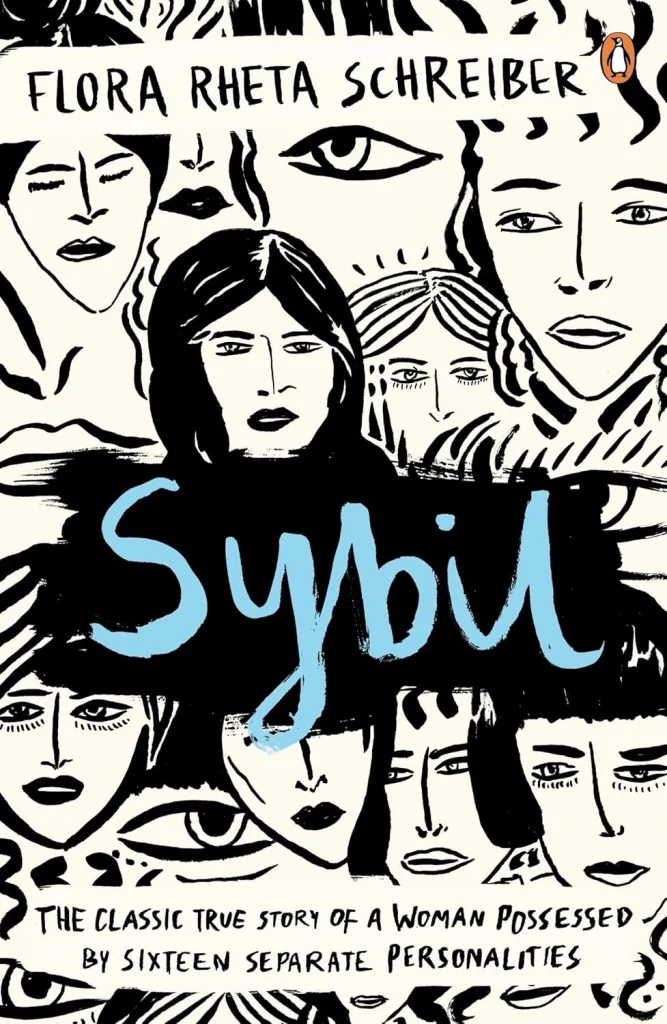
The first time I picked up Sybil, it felt less like a clinical case study and more like stepping into a psychological thriller. This true story of Shirley Mason, a woman with 16 distinct personalities, is a disturbing yet fascinating dive into the human mind’s defense against trauma. What gripped me wasn’t just the abuse she endured, but the way her mind shielded her by creating entire identities. It’s unsettling, yes, but impossible to look away.
As someone who loves theater, I couldn’t help but marvel at the way each “character” had its own voice, mannerisms, and history, almost like casting multiple actors inside one person. That theatrical element made it even more haunting for me. Reading it reminded me of how powerful performance and identity can be, whether on stage or inside someone’s psyche.
2. Coping with Trauma-Related Dissociation by Suzette Boon, Kathy Steele, and Onno van der Hart
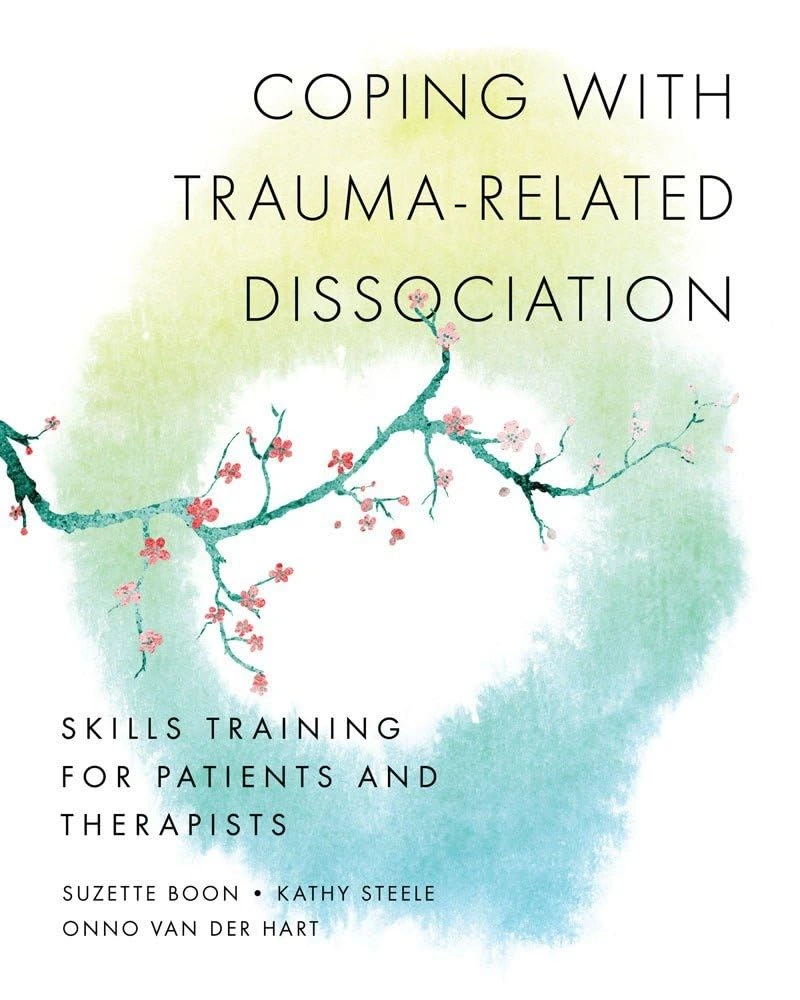
Unlike Sybil, this one isn’t here to shock, it’s here to guide. It’s essentially a workbook, offering survivors and therapists practical exercises to manage triggers, regulate emotions, and build collaboration between different “parts.”
What I loved is how approachable it felt despite being a therapeutic text. I’ve had moments in life, whether in sports or work, where I needed structured routines to pull me through challenges. This book has that same disciplined rhythm, but aimed at healing. It’s not just a resource for therapists; it feels like a life coach in paperback for anyone navigating trauma.
3. Sybil Exposed by Debbie Nathan
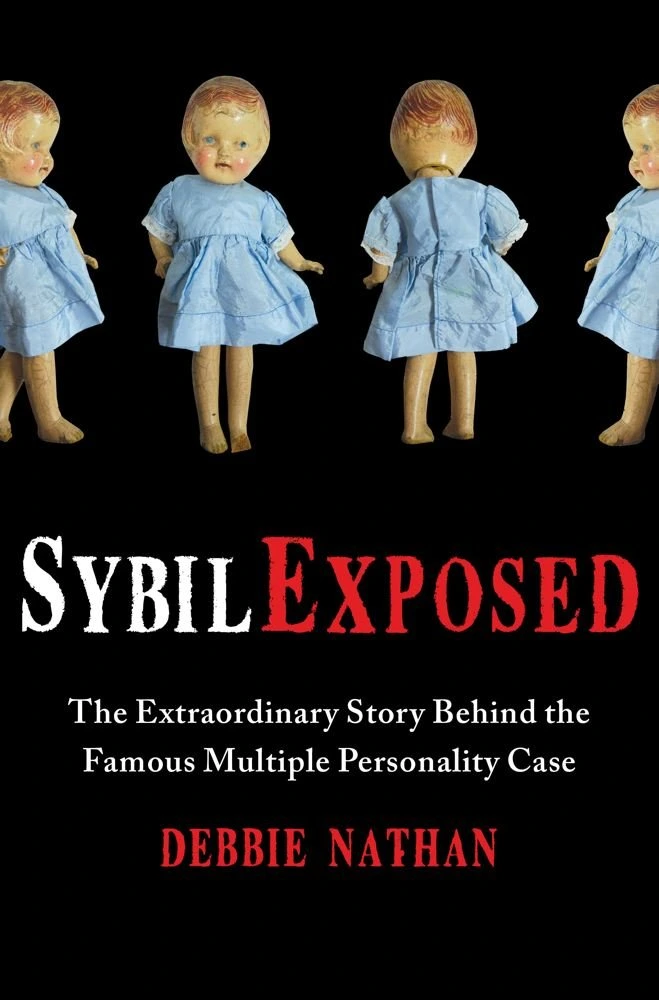
Now here’s the curveball. Sybil Exposed turns the original story upside down, claiming much of Sybil was exaggerated, even manufactured. Journalist Debbie Nathan pulls apart the legend, revealing questionable therapy practices, commercial motives, and media sensationalism.
I’ll admit, reading this after Sybil was jarring. It reminded me of cricket controversies I followed as a teen, heroes one day, scandals the next. Whether you agree with Nathan’s investigation or not, it makes you rethink how much of what we read (especially about mental health) is truth, myth, or something in between.
4. Dissociation Made Simple by Jamie Marich
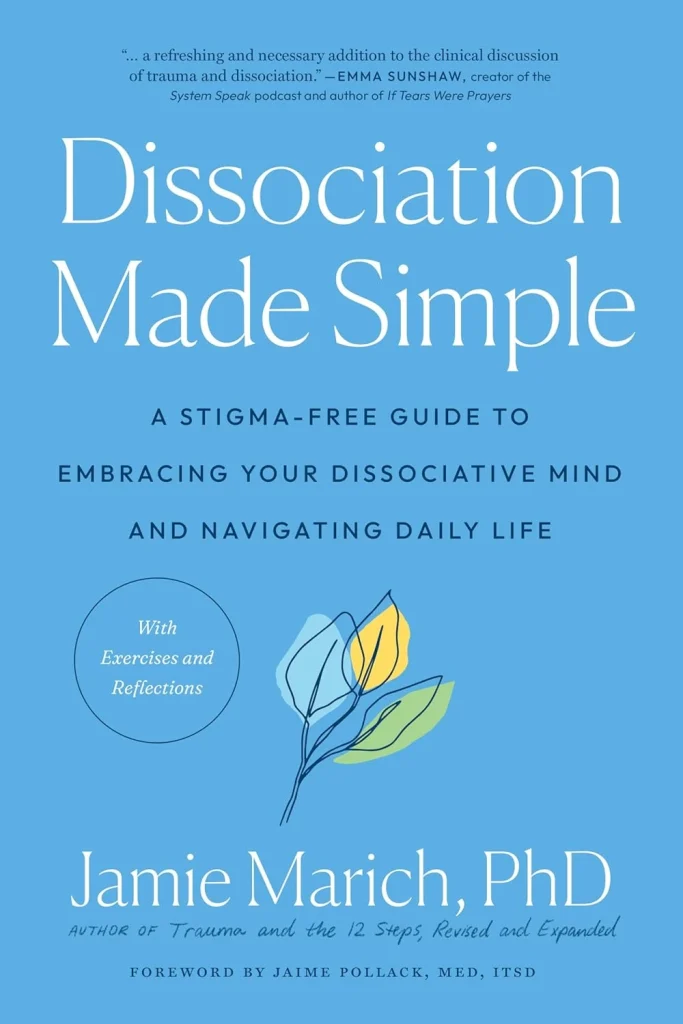
This one feels like a breath of fresh air. Marich, both a clinician and someone who lives with dissociation, writes with empathy and honesty. The book strips away stigma, showing dissociation not as a “freak condition” but as a human survival strategy.
What struck me most was the balance between clinical insight and personal voice. It’s like having a knowledgeable friend explain tough concepts without judgment. As a father, I found myself thinking about how we talk to kids about mental health, how a simple, stigma-free explanation can make all the difference.
5. Sociopath: A Memoir by Patric Gagne
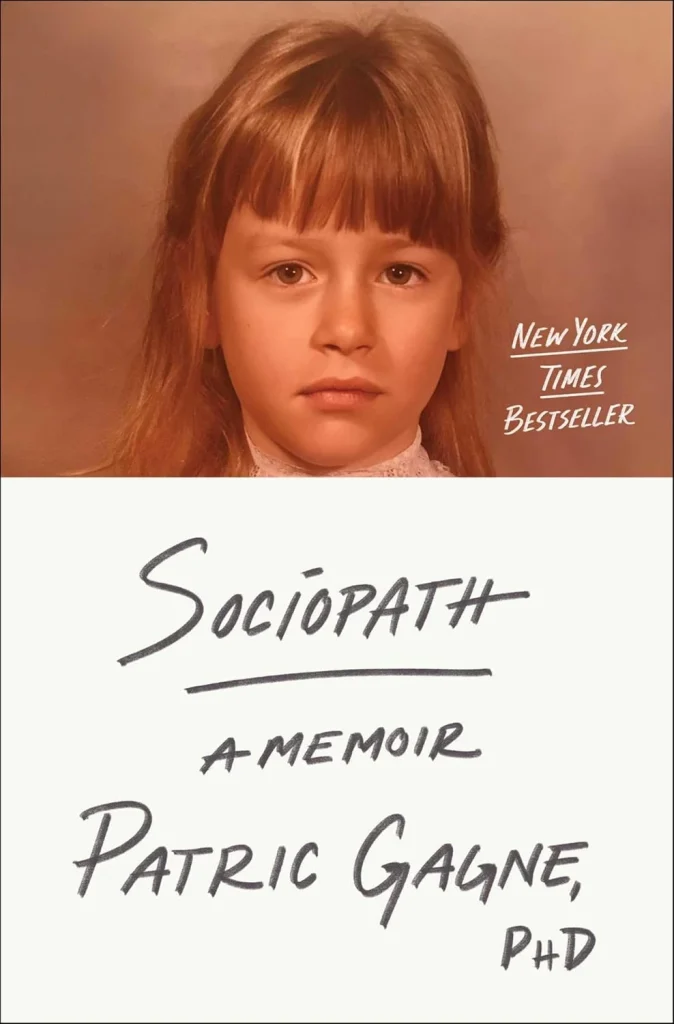
This isn’t strictly about DID, but it adds an important voice to the broader conversation about misunderstood disorders. Patric Gagne’s memoir of living with sociopathy is raw, vulnerable, and strangely relatable. She takes you inside a mind that doesn’t process empathy or fear the way most of us do, but still longs for connection.
I was hooked by how she reframed her diagnosis, from something society paints as monstrous to a path toward self-awareness and even love. It reminded me of how stories, whether on stage, in sports, or in books, help us challenge stereotypes and see the humanity in experiences that once scared us.
When Books Feel Like Mirrors
One thing I’ve learned, whether reading Sybil’s harrowing journey or Marich’s empowering guide, is that books on dissociation aren’t just about psychology. They’re about survival, storytelling, and the many ways humans adapt. I may not live with DID, but as someone who’s juggled different roles in life, banker, strategist, dad, theater geek, I get the idea of shifting “selves.” Reading these stories reminded me how fragile, and at the same time, how resilient the mind can be.
There was a moment, reading Coping with Trauma-Related Dissociation, when I paused and thought of my kids. How important it is for them to grow up in a world where mental health isn’t whispered about in shame but spoken about openly. That, to me, is the biggest gift of these books: they don’t just tell stories, they start conversations.
Final Thoughts
The best dissociative identity disorder books aren’t just about trauma, they’re about truth, resilience, and sometimes controversy. Some will leave you questioning the mind’s limits, others will hand you tools for healing. Either way, they’ll stick with you long after you close the last page.
If you’ve read any of these, I’d love to know: did they shake you, comfort you, or make you question what you thought you knew? Drop me a note, I’m always up for a good book chat.
Know Your Author

Hi, I’m Emon
I’m the voice and heart behind Whimsy Read. After nine years in the world of banking, I followed my passion for storytelling into the world of SEO and content strategy. Now, I blend that analytical eye with a deep love for literature to bring you book reviews that are thoughtful, honest, and always focused on the stories that stay with you.
When I’m not reading or writing, you’ll find me enjoying joyful chaos with my wife and three kids, getting lost in a new series, or revisiting my old loves: theater, music, and gaming. At the end of the day, I believe great books are meant to be shared, and I’m so glad you’re here to share them with me.




Leave a Reply