
The Eternal Legacy: 5 Best Books on the Roman Empire for 2026
The Roman Empire remains the ultimate benchmark for Western civilization. Its journey from a small Iron Age village to a global hegemon—and its eventual, fractured decline—offers timeless lessons on power, governance, and social transformation. To understand Rome is to understand the legal, linguistic, and political bedrock of the modern world.
Drawing from my background in classical history and strategic analysis, I’ve selected these works to provide both the “grand sweep” of the empire and the intimate, often scandalous details of the people who ruled it.
The 5 Best Books On The Roman Empire
1. How Rome Fell: Death of a Superpower
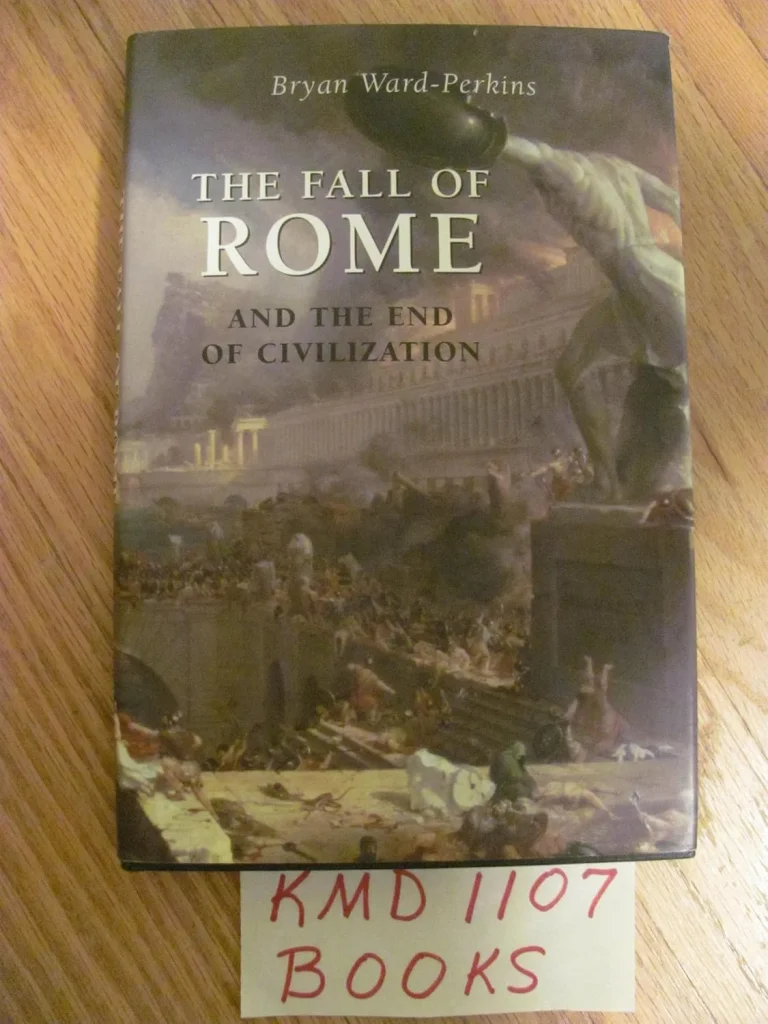
Author: Adrian Goldsworthy
Publication Date: September 28, 2010
My Review
Adrian Goldsworthy examines the slow, agonizing decline of the Roman Empire, arguing that the superpower rotted from within. He focuses on the internal civil wars and the short-sightedness of leaders who prioritized personal survival over the state’s stability.
It is an excellent analytical piece for readers interested in how an empire without a serious external rival can eventually collapse under the weight of its own institutions.
2. SPQR: A History of Ancient Rome
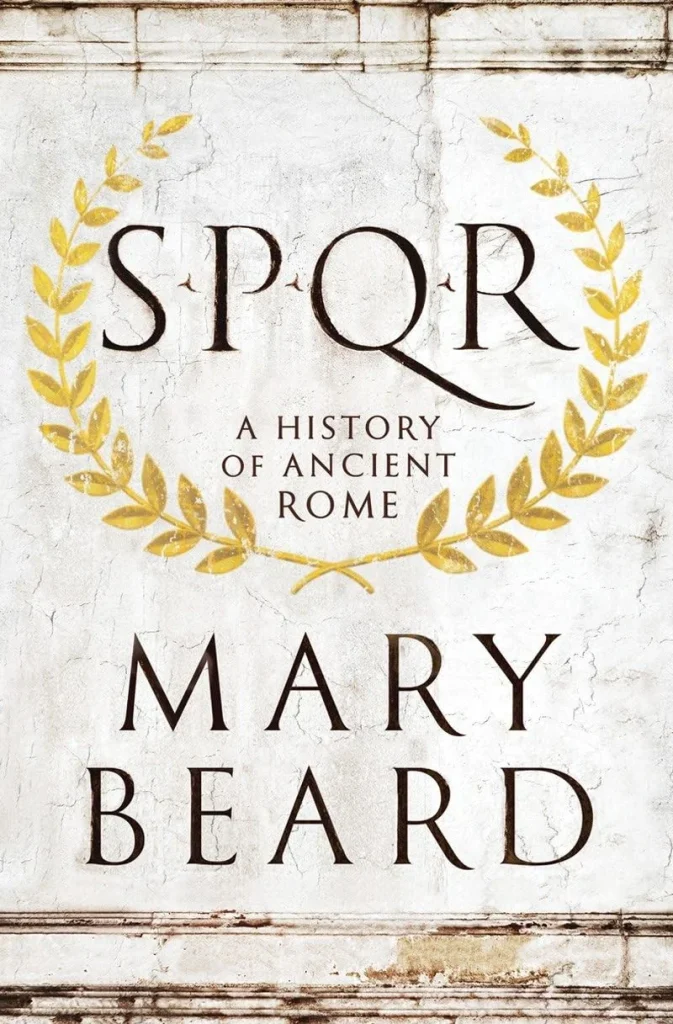
Author: Mary Beard
Publication Date: September 6, 2016
My Review
Mary Beard, one of the world’s foremost classicists, provides a magisterial narrative that challenges long-held historical perspectives. SPQR (Senatus Populusque Romanus) explores how Rome grew into an undisputed hegemon, but it does so with a nuanced eye toward class struggle, democracy, and the lives of those often left out of the history books.
This is highly recommended for readers who want a comprehensive, jargon-free history that makes the distant past feel startlingly vivid and relevant.
3. The Lives of the Caesars
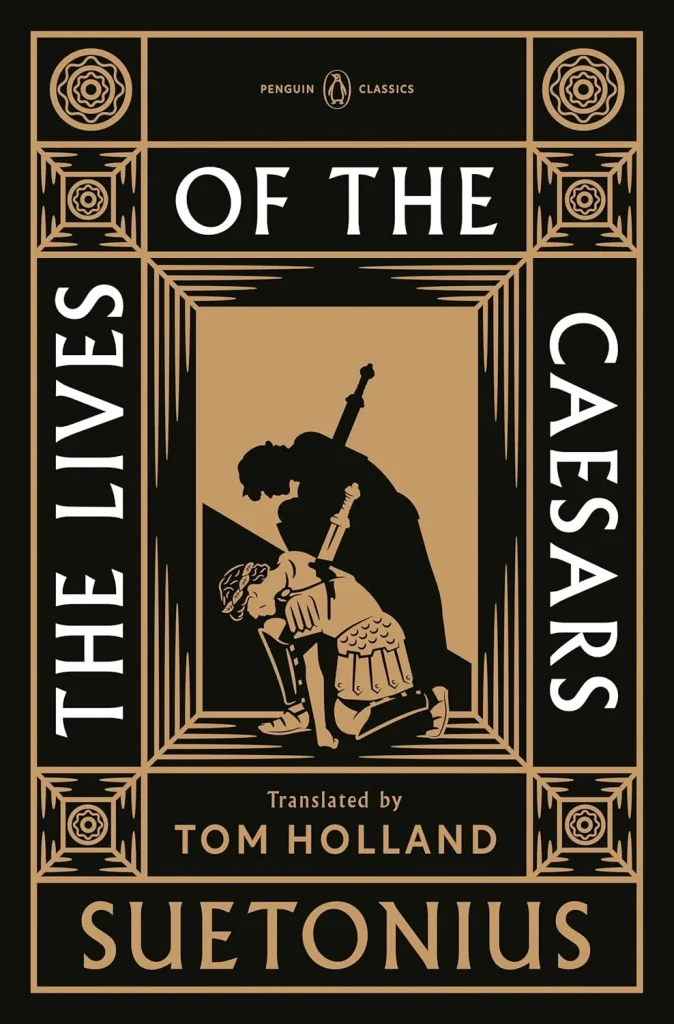
Authors: Suetonius (Translated by Tom Holland)
Publication Date: April 29, 2025
My Review
No ancient work invites us into the bedrooms and banquet halls of power quite like Suetonius. This new translation by award-winning author Tom Holland brings the first twelve emperors to life in stunning, often shocking detail. It connects the eccentricities and sex scandals of the Caesars to their broader political policies.
It is an immersive, “must-read” experience for anyone fascinated by the psychology of absolute power and the cult of personality in the ancient world.
4. The Histories (Oxford World’s Classics Edition)
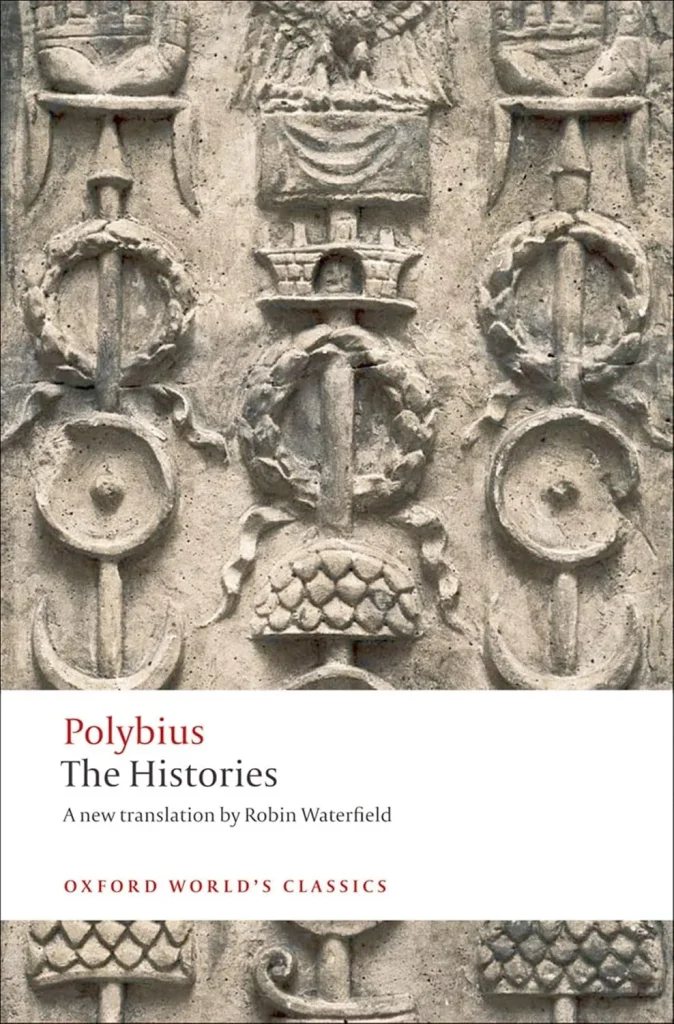
Author: Polybius (Translated by Robin Waterfield)
Publication Date: 2010 (1st Edition)
My Review
Polybius, a Greek politician turned Roman historian, provides the primary source for Rome’s early rise. He focuses on the Second Punic War and the defeat of Hannibal, attributing Rome’s success to its unique constitution and the character of its people.
This translation is indispensable for those who want to understand the “why” behind Rome’s expansion and the strategic brilliance that allowed a regional power to conquer the Mediterranean.
5. How Rome Fell: Death of a Superpower
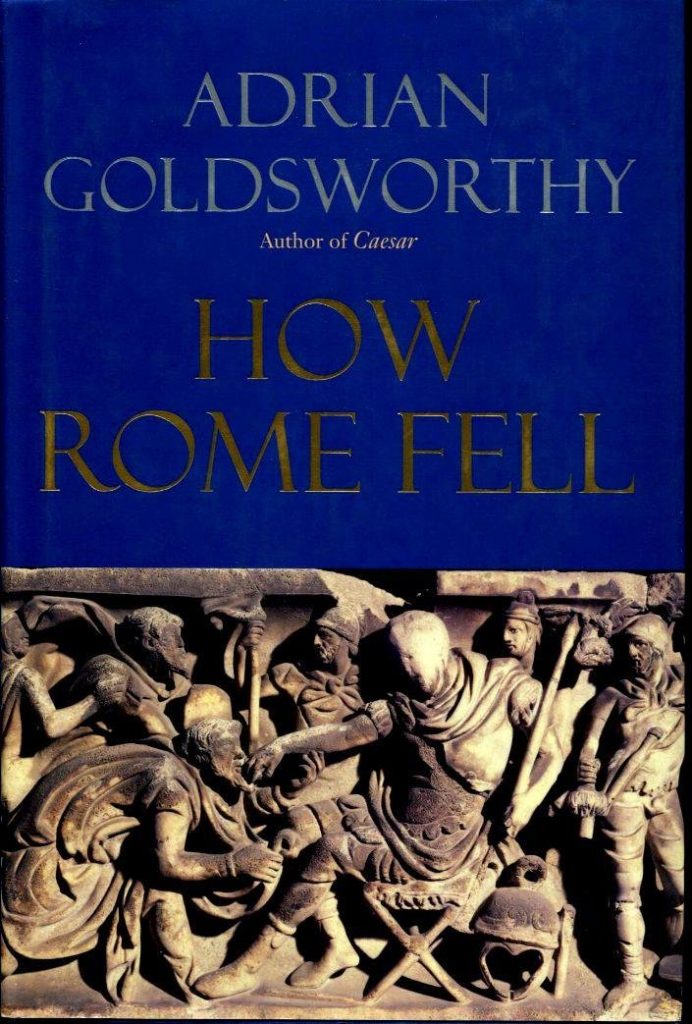
Author: Adrian Goldsworthy
Publication Date: September 28, 2010
My Review
Adrian Goldsworthy examines the slow, agonizing decline of the Roman Empire, arguing that the superpower rotted from within. He focuses on the internal civil wars and the short-sightedness of leaders who prioritized personal survival over the state’s stability.
It is an excellent analytical piece for readers interested in how an empire without a serious external rival can eventually collapse under the weight of its own institutions.
Affiliate Disclosure: As an Amazon Associate, I earn from qualifying purchases
The Roman Strategic Framework
To appreciate Rome’s longevity, it is helpful to keep these core pillars of their society in mind:
- Inclusion through Citizenship: Unlike many ancient powers, Rome often integrated conquered peoples into its political fabric, turning former enemies into stakeholders.
- The Military Machine: The Roman legions were not just fighters but engineers, building the roads and infrastructure that allowed for rapid communication and trade.
- The Rule of Law: Roman jurisprudence provided a predictable framework for commerce and social order that survived long after the last emperor fell.
Conclusion
Building a diverse library of Roman history allows you to see the “Eternal City” not just as a collection of ruins, but as a living cautionary tale. Whether you are interested in the grit of the Punic Wars or the glamour of the Caesars, these selections provide a complete window into the Roman soul.
Which era of Roman history—the rise of the Republic or the drama of the Empire—interests you most?

Leave a Reply