
Harmonic Foundations: 5 Best Books on Music Theory for 2026
Music theory is often described as the “grammar” of the musical language. It provides the framework to understand why certain notes sound good together and offers a roadmap for composition, improvisation, and performance. Whether you are a bedroom producer, a seasoned instrumentalist, or a curious listener, mastering these principles unlocks a new level of creative freedom.
As someone deeply involved in digital content and creative strategy, I’ve found that understanding the “why” behind the art—be it visual or auditory—is what separates a hobbyist from a professional. Below are five outstanding books designed to help you master the inner logic of music.
The 5 Best Books On Music Theory
1. Contemporary Musicianship: Analysis and the Artist
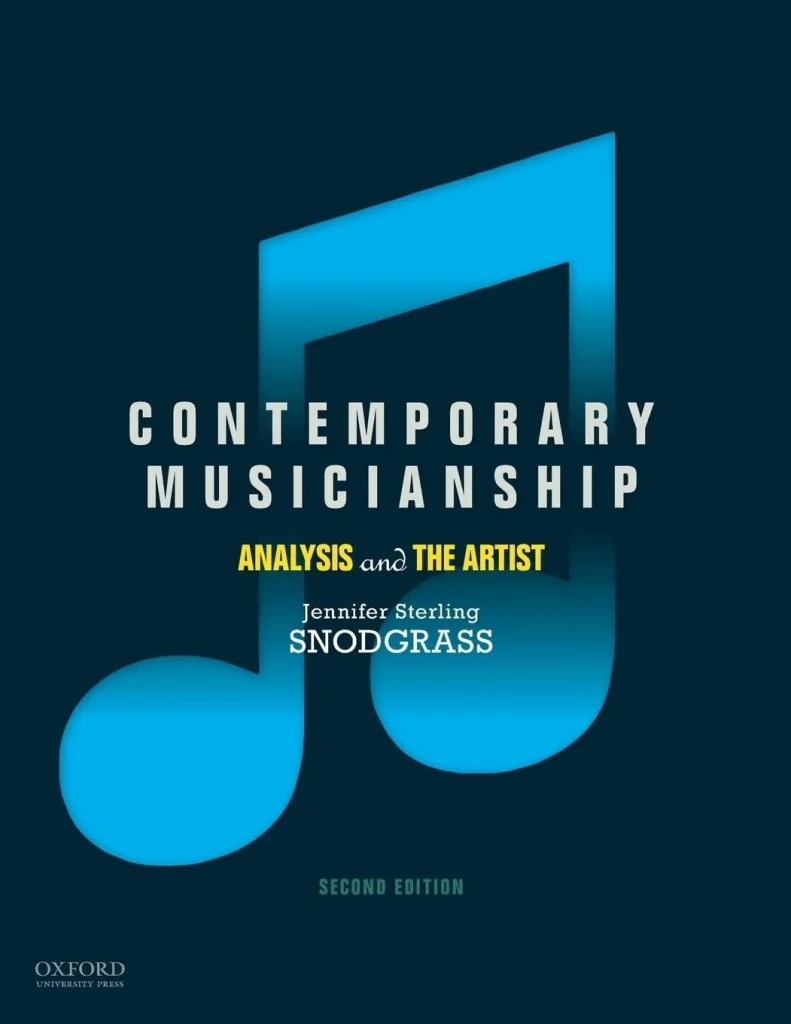
Author: Jennifer Sterling Snodgrass
Publication Date: 2nd Edition
My Review
This text bridges the gap between traditional theory and the modern music industry. It combines music history and popular culture with real-life scenarios, helping students think like professional industry musicians.
It is highly recommended for non-music majors or those interested in the music business who want to understand theory through the lens of popular artists and classical masterpieces alike.
2. The Jazz Theory Book
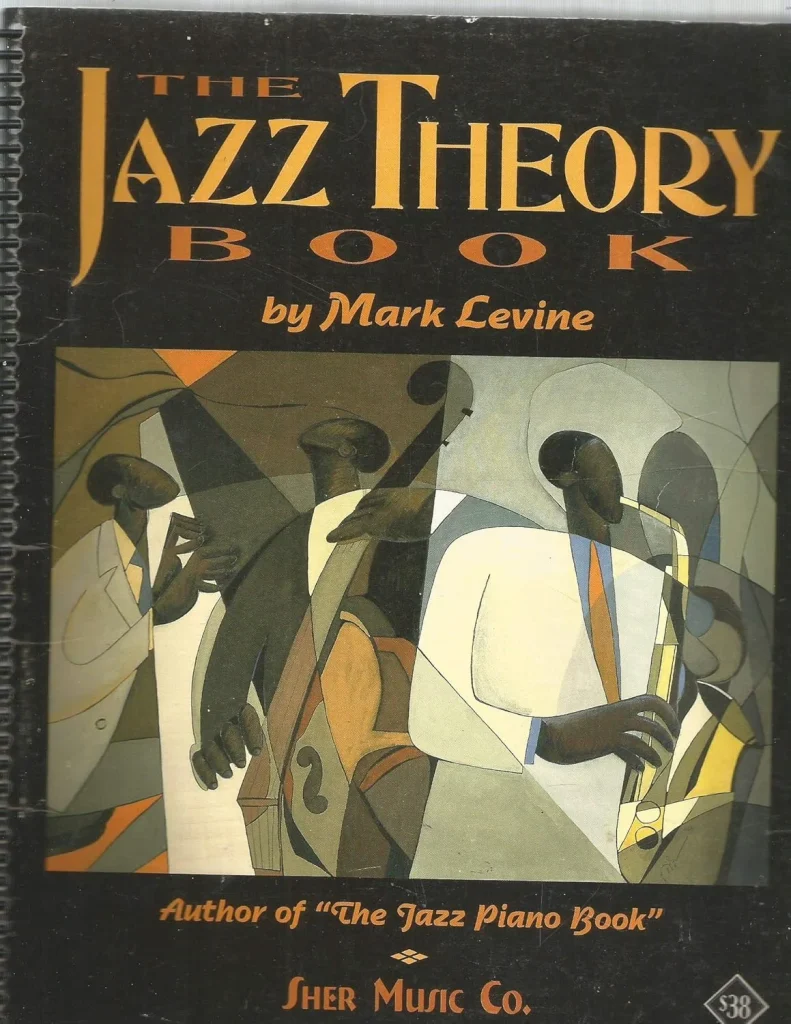
Author: Mark Levine
Publication Date: 1995 (First Edition)
My Review
Endorsed by jazz legends like Dave Liebman and Jamey Aebersold, this is widely considered the “bible” of jazz education. Mark Levine takes intermediate to advanced players through the complexities of jazz harmony, improvisational scales, and chord voicings.
This book is essential for any musician looking to move beyond basic major/minor scales and explore the rich, improvisational world of jazz.
3. Alfred’s Essentials of Music Theory
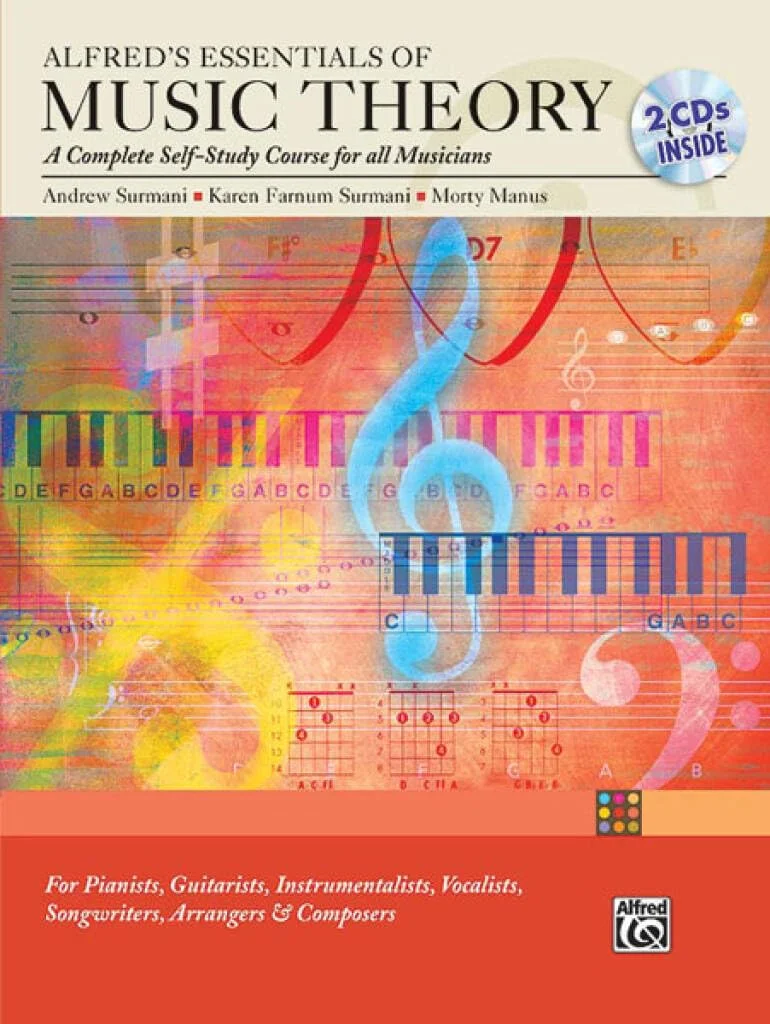
Authors: Andrew Surmani, Karen Farnum Surmani, and Morton Manus
Publication Date: August 1, 2004
My Review
This all-in-one self-study course is perfect for instrumentalists and vocalists. It features 75 concise lessons and includes ear-training CDs to help bridge the gap between seeing a note on a page and hearing it in your head.
The book is an excellent practical choice for self-taught musicians who want a “classroom” experience at their own pace, complete with reviews and answer keys.
4. How to Read Music in 30 Days
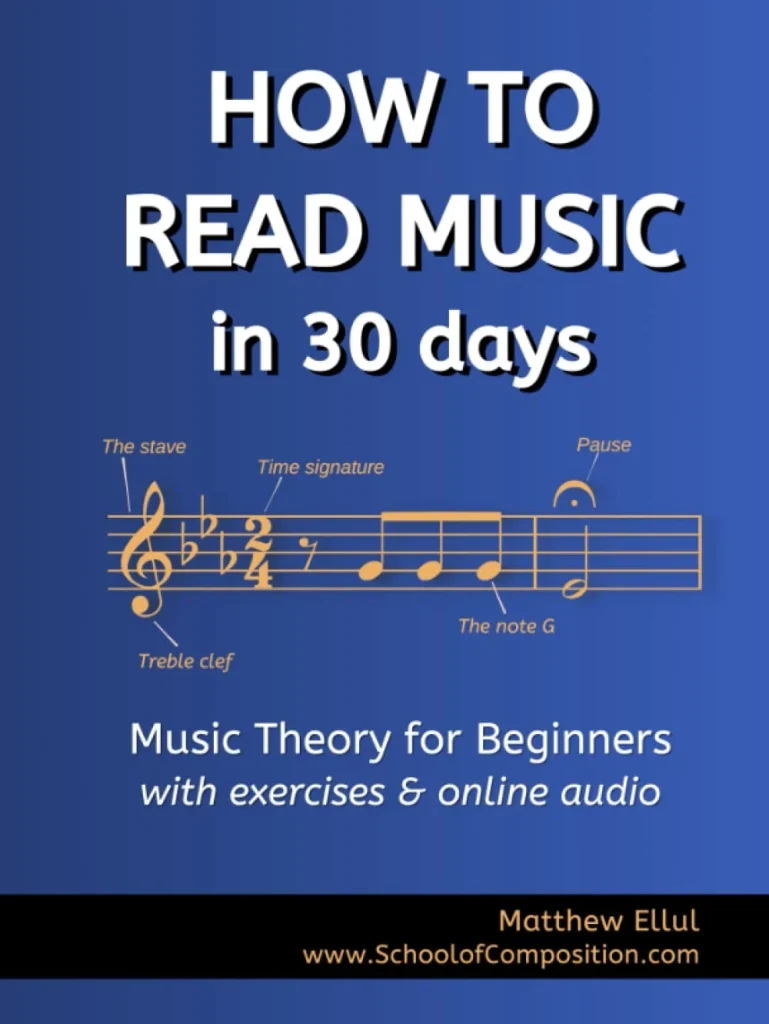
Author: Matthew Ellul
Publication Date: October 24, 2017
My Review
Matthew Ellul offers a highly structured, 30-day program designed specifically for beginners who are intimidated by musical jargon. With over 150 music examples and 100 exercises, it focuses on the mechanics of notation and rhythm.
It is an indispensable resource for those who want to stop “guessing” what sheet music says and build a functional foundation in just one month.
5. Music Theory: From Beginner to Expert
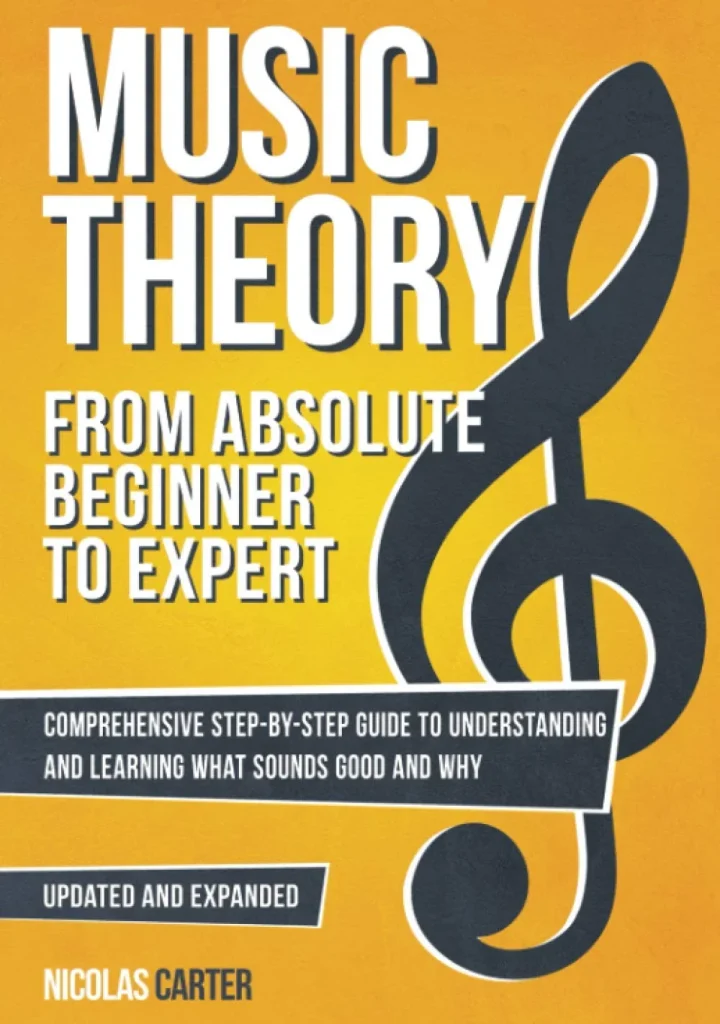
Author: Nicolas Carter
Publication Date: March 17, 2018
My Review
With over 100,000 copies sold, this guide is a favorite for its “physics-based clarity.” It explains the natural laws that lead to our 12-note system and covers everything from basic intervals to advanced topics like polytonality.
This book is highly recommended for its logical layout and “play-as-you-read” audio links, making it a practical lifelong reference that grows with your skill level.
Affiliate Disclosure: As an Amazon Associate, I earn from qualifying purchases
Core Pillars of Music Theory
To accelerate your learning, focus on these three fundamental areas:
- Pitch and Intervals: The distance between notes is the building block of all melody and harmony.
- Rhythm and Meter: Understanding time signatures and note values is what gives music its “heartbeat” and professional feel.
- Harmonic Function: Learning how chords relate to one another allows you to predict where a song is going—or purposefully subvert expectations.
Conclusion
Building a diverse library of music theory literature ensures that you aren’t just “playing by ear,” but moving with intention. I hope these selections provide the clarity and inspiration you need to elevate your musicianship.
Are you looking to master the basics of reading sheet music, or are you ready to dive into advanced jazz harmony?

Leave a Reply