
Divine Narratives: 5 Best Books on Greek Mythology to Read in 2026
Greek mythology is the foundational wellspring of Western storytelling. These tales of flawed deities, daring heroes, and tragic transformations have shaped literature, art, and psychology for millennia. Whether you are looking for a scholarly deep dive, a witty modern update, or a moving work of fiction, the world of myth offers endless discovery.
Drawing from my background in literary analysis and creative storytelling, I’ve curated these selections to highlight the diverse ways these ancient “truths” continue to be reimagined for modern audiences.
The 5 Best Books On Greek Mythology
1. Tales from Ovid: 24 Passages from the Metamorphoses
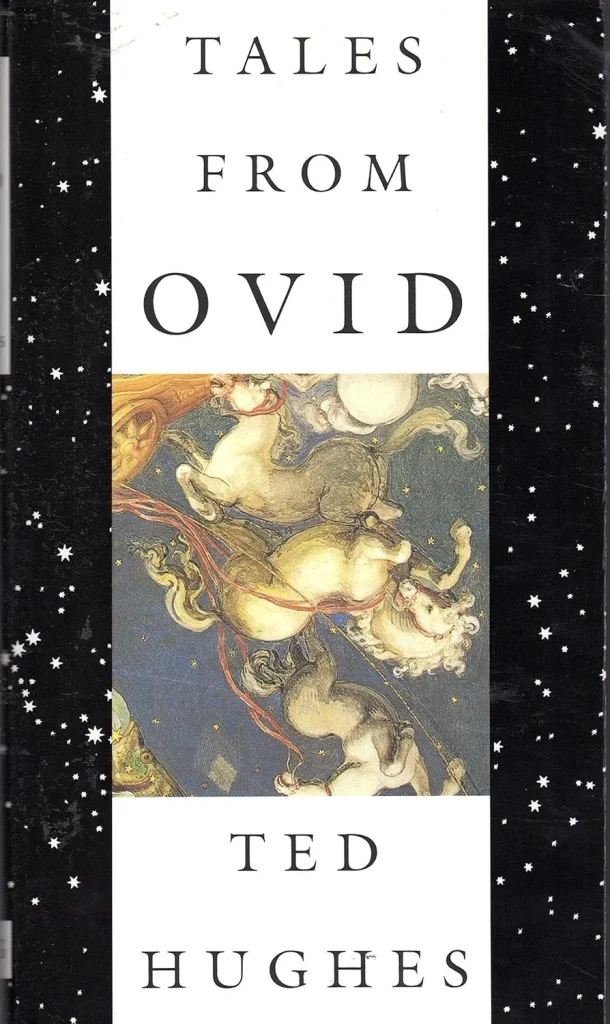
Author: Ted Hughes
Publication Date: March 30, 1999
My Review
The late Poet Laureate Ted Hughes provides a direct and powerful rendering of Ovid’s Latin classic. Focusing on the theme of transformation, Hughes captures the visceral, almost primal energy of stories involving gods like Bacchus and mortals like Arachne.
This version is a delight for both specialists and general readers, offering the liveliest and most poetic introduction to Ovid’s world of change.
2. Mythos
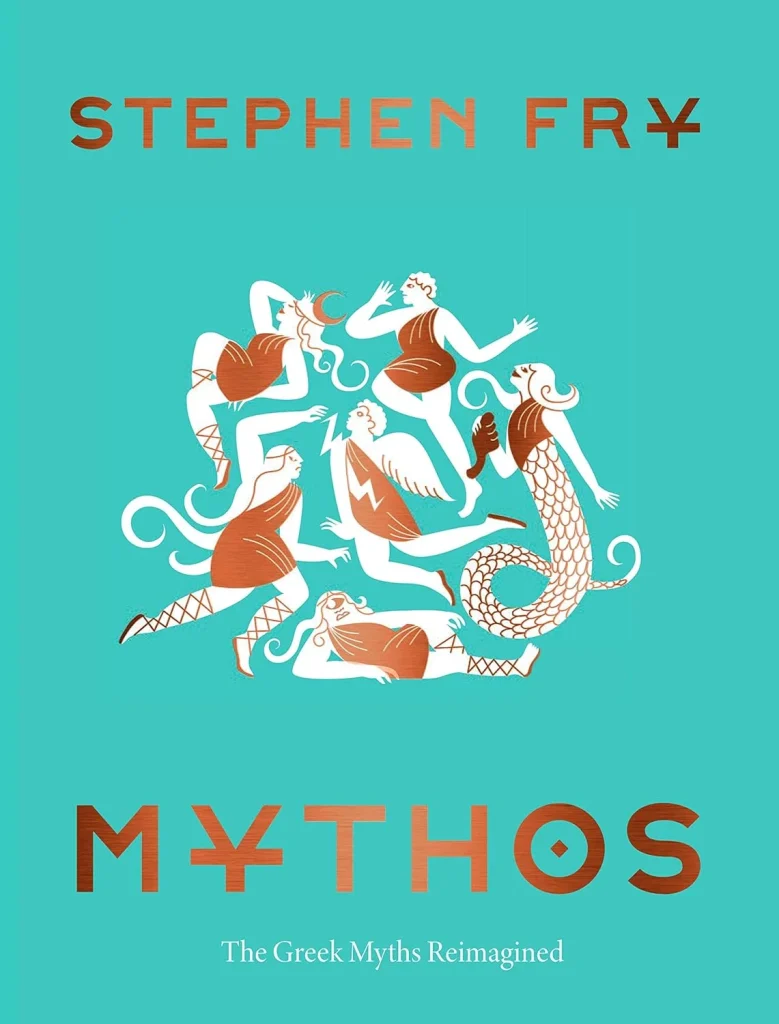
Author: Stephen Fry
Publication Date: August 27, 2019
My Review
Stephen Fry brings his signature wit and extraordinary narrative flair to the origins of the Greek gods. Starting with the birth of the Titans and moving through the rise of the Olympians, Mythos makes ancient legends feel immediate and irresistibly entertaining.
This book is highly recommended for those who want a fun, accessible, and “modern” voice that respects the original myths while highlighting their humor and darker complexities.
3. D’Aulaires’ Book of Greek Myths
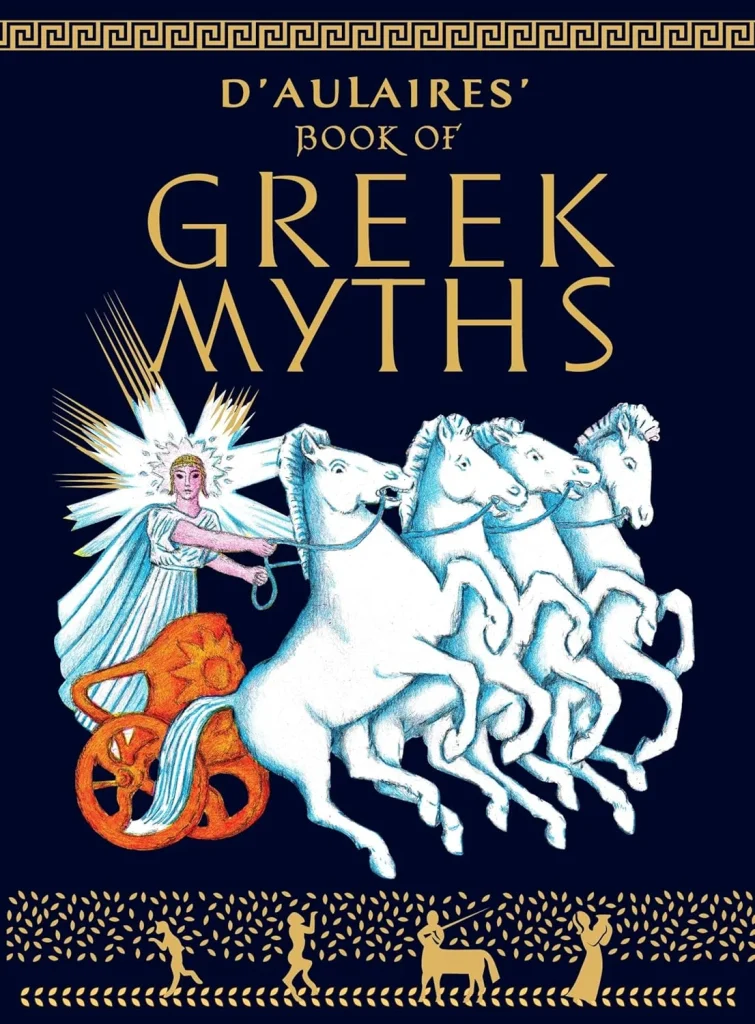
Authors: Ingri and Edgar Parin d’Aulaire
Publication Date: March 1, 1992 (Classic Edition)
My Review
In print for over fifty years, this volume is the definitive introduction to mythology for readers of all ages. Its vibrant, evocative illustrations and straightforward prose bring the gods and monsters of ancient Greece to life as if they were standing before you today.
This is a must-have treasury for families and a nostalgic classic for adults who first fell in love with mythology through the d’Aulaires’ colorful pages.
4. The Greek Plays: Sixteen Plays by Aeschylus, Sophocles, and Euripides
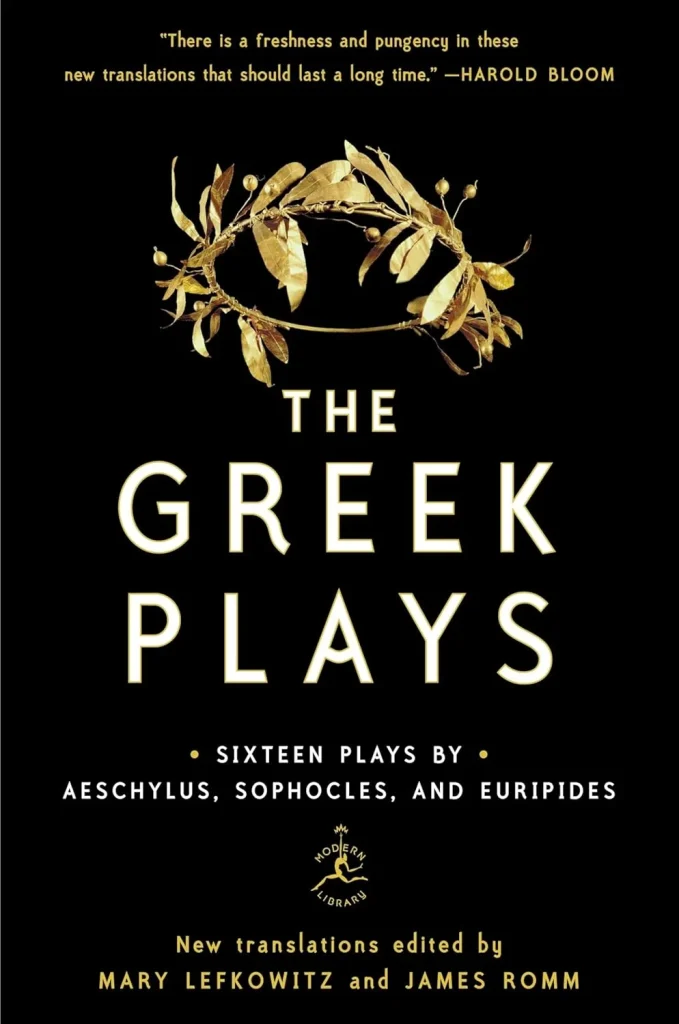
Editors: Mary Lefkowitz and James Romm
Publication Date: September 5, 2017
My Review
For those who want to experience the myths as the ancient Greeks did—through the high drama of the theater—this anthology is a landmark achievement. Featuring fresh, contemporary translations of masterpieces like Medea, Antigone, and Oedipus the King, it captures the “pungency” and power of the original performances.
It is highly recommended for its excellent annotations and essays that provide a rich contextual background on the politics and theater of Dionysus.
5. The Song of Achilles
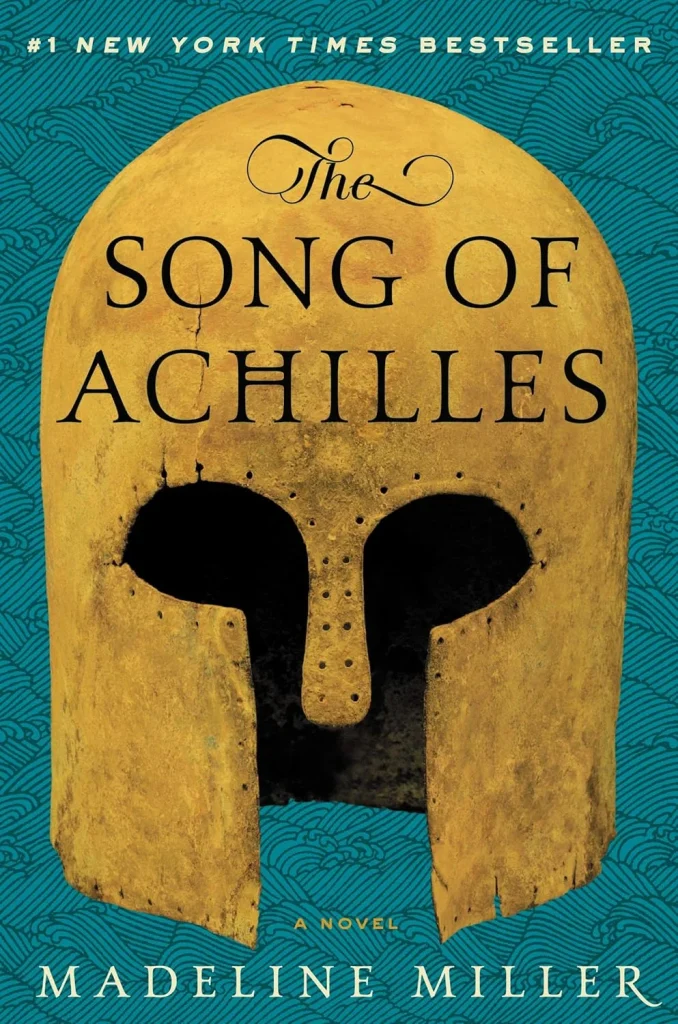
Author: Madeline Miller
Publication Date: August 28, 2012
My Review
A stunning literary feat, Madeline Miller reimagines Homer’s Iliad through the eyes of Patroclus. This novel transforms a classic epic of war and “immortal fame” into a profoundly moving human love story.
It is an essential read for anyone who wants to experience the “Age of Heroes” with emotional depth and a startlingly original perspective on the characters of Achilles and the goddess Thetis.
Affiliate Disclosure: As an Amazon Associate, I earn from qualifying purchases
The Olympian Hierarchy
To navigate these stories, it helps to understand the structure of the Greek pantheon and the familial relationships that drive so much of the cosmic drama.
Core Themes of Greek Myth
As you explore these texts, keep these recurring motifs in mind:
- Metamorphosis: Pay attention to how physical change (into animals, plants, or stone) serves as a metaphor for intense psychological states or divine justice.
- Hubris and Nemesis: Many myths serve as cautionary tales against excessive pride (hubris), which invariably triggers the retributive force of the gods (nemesis).
- Fate vs. Free Will: Observe the constant tension between the prophecies of the Fates and the desperate, often self-fulfilling efforts of heroes to escape their destiny.
Conclusion
Building a library of mythological literature allows you to see how ancient archetypes still influence our modern movies, psychology, and language. Whether you start with the humor of Stephen Fry or the tragedy of Euripides, these stories remain a vital part of our shared cultural heritage.
Which figure from Greek mythology—the clever Odysseus, the tragic Medea, or the powerful Zeus—has always fascinated you the most?

Leave a Reply