
The legacy of Ancient Rome is woven into the very fabric of modern civilization, our laws, our architecture, and our political structures all bear the mark of the Roman spirit. To study Rome is to study the heights of human ambition and the depths of institutional decay. It is a story of military genius, scandalous nobility, and a slow, agonizing transformation from a pagan empire to a Christian state.
As a strategist and a lover of historical narratives, I find that Rome offers a masterclass in how systems succeed and how they eventually rot from within. These five selections range from racy, immersive fiction to rigorous historical surveys.
The 5 Best Books About Ancient Rome
1. I, Claudius
Author: Robert Graves
Publication Date: August 29, 2006 (Modern Classics Edition)
My Review
Robert Graves’s masterpiece is one of the most celebrated historical novels ever written. Styled as the secret autobiography of the Emperor Claudius—a man long dismissed as a fool by his murderous relatives—it provides a “startlingly clear” look at the early imperial dynasties.
This book is highly recommended for its racy, comic, and often horrifying account of the reigns of Augustus, Tiberius, and the insane Caligula. It is a brilliant study of how one quiet man survives a whirlpool of debauchery and double-dealing.
2. The First Man in Rome
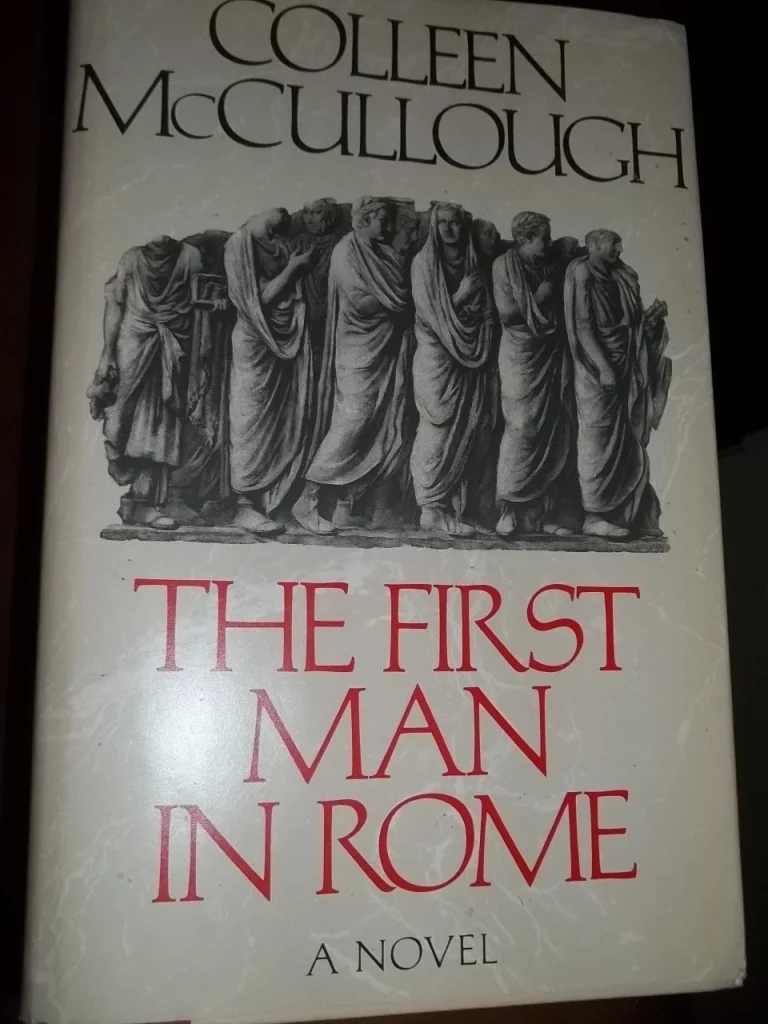
Author: Colleen McCullough
Publication Date: November 11, 2008
My Review
Colleen McCullough brings extraordinary narrative power to the late Roman Republic. The story focuses on two giants of history: the “upstart” military genius Marius and the aristocratic, debauched Sulla. Allied against vindictive foes, they navigate the “senatorial vipers” of Rome to achieve their destinies.
This illustrated edition is an essential read for those who want to understand the “glorious epoch” of the Republic before it transitioned into the age of Emperors. McCullough’s research is meticulous, making the pageantry and passion of Rome feel incredibly vivid.
3. How Rome Fell: Death of a Superpower
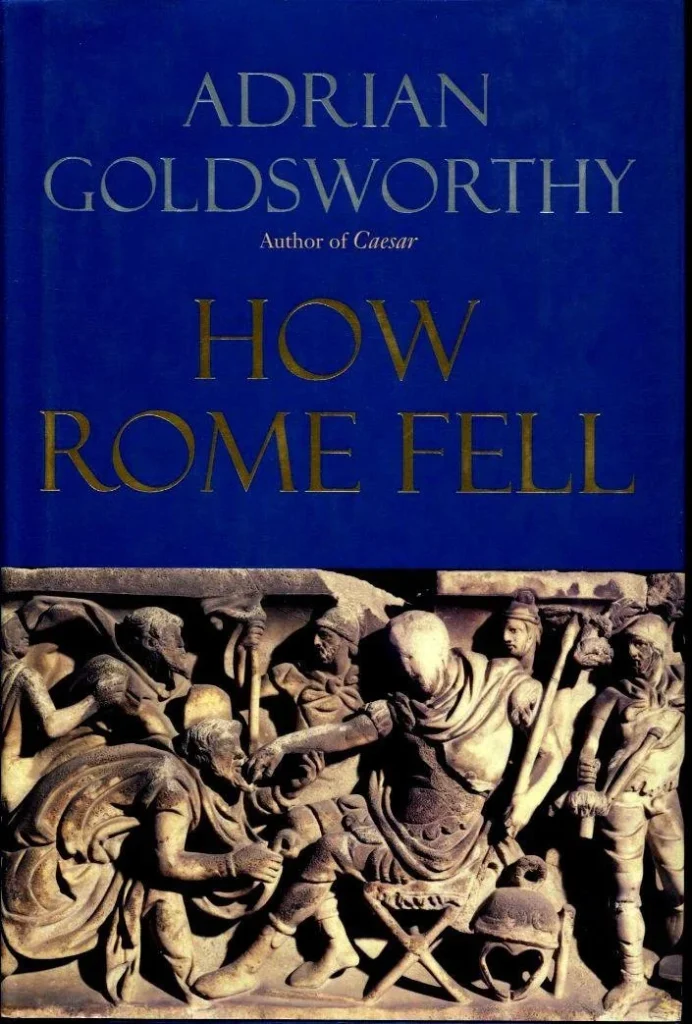
Author: Adrian Goldsworthy
Publication Date: September 28, 2010
My Review
Prizewinning historian Adrian Goldsworthy examines the painful centuries of the superpower’s decline. He argues that Rome did not just fall to external enemies, but “rotted from within” as institutions put personal survival over the wider good.
This book is highly recommended for its focus on the human stories behind the collapse—from Marcus Aurelius to Diocletian. It offers surprising lessons about the rise and fall of great nations that remain relevant even today.
4. The Histories
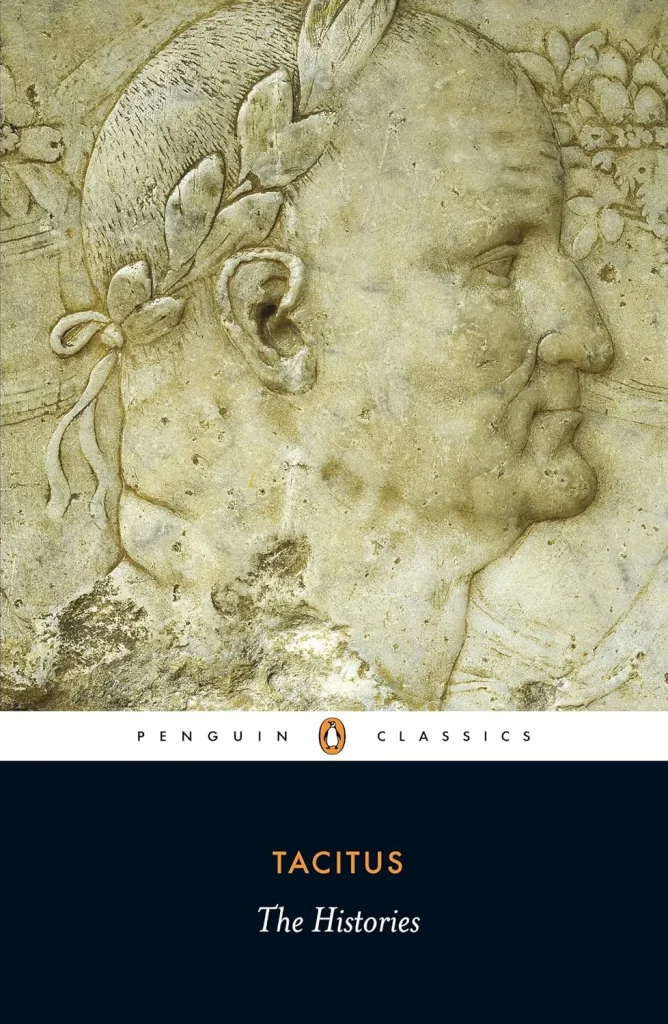
Author: Tacitus
Publication Date: August 25, 2009 (Penguin Classics)
My Review
For those who want to read the primary sources, Tacitus is the gold standard. The Histories recounts the “long but single year” of AD 69—the Year of the Four Emperors—following the suicide of Nero. It is a dramatic account of a revolution that brought the empire to the brink of collapse.
Tacitus provides a firsthand look at the drama and danger of the Roman world, translated and annotated by modern scholars to ensure the racy energy of the original text is preserved for contemporary readers.
5. Barbarian Migrations and the Roman West, 376 – 568
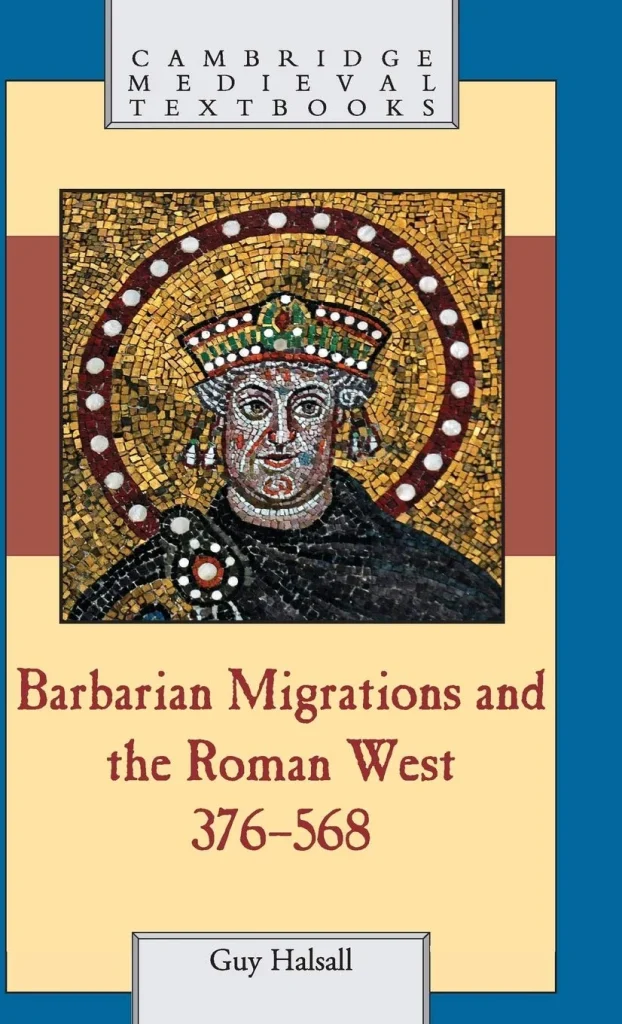
Author: Guy Halsall
Publication Date: Illustrated Edition
My Review
Guy Halsall provides a major survey that challenges traditional views of the “Fall of Rome.” Integrating both historical and archaeological evidence, he argues that the fall of the empire actually produced the barbarian migrations, rather than the other way around.
This is an indispensable text for students of history who want to understand how the Roman West transformed into early medieval Europe. It reveals that the maintenance of kingdoms was impossible without the active involvement of local communities across Europe and North Africa.
The Roman Evolutionary Timeline
To navigate these books, it helps to understand the three distinct phases of Roman history:
| Era | Focus | Key Themes |
| The Republic | Expansion & Senate | Civic duty, the rise of Marius and Sulla, internal power struggles. |
| The Early Empire | The Caesars | Absolute power, the Pax Romana, dynastic intrigue (I, Claudius). |
| The Decline | Fragmentation | Military anarchy, the rise of Christianity, the move to the East (How Rome Fell). |
Themes of the Roman Legacy
As you read, look for these recurring patterns that define the Roman experience:
- The Cult of Personality: How individual ambition (from Sulla to Caligula) often overrode the established legal structures of the state.
- Internal vs. External Threats: The recurring realization that Rome’s greatest enemies were often other Romans fighting for the throne.
- Cultural Resilience: How Roman identity and institutions persisted in the East (Byzantium) and through the church even after the Western administration collapsed.
Conclusion
Building a library of Roman history allows you to witness the full lifecycle of a civilization. Whether you are enthralled by the “autobiography” of a reluctant emperor or the scholarly analysis of barbarian movements, these books provide a comprehensive roadmap to the Eternal City.

Leave a Reply