
Harry Potter Books in Order:A Magical Journey from Start to Finish
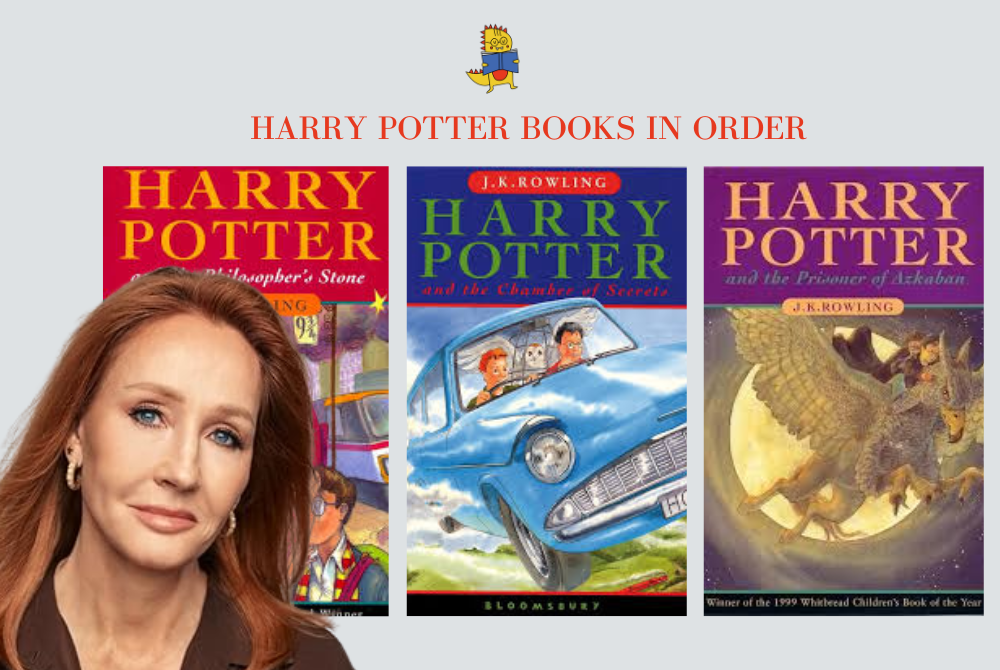
I still remember the first time I opened Harry Potter and the Philosopher’s Stone. I didn’t just read a book, I entered a whole new world filled with charm, mystery, and characters who felt like lifelong friends. For many of us, Harry Potter wasn’t just a story; it was an experience, a gateway into believing in magic all over again. But if you’re just starting out, you might be wondering: What’s the right order to read the Harry Potter books? Let’s sort that out first.
Order to Read the Harry Potter Books
The Harry Potter series by J.K. Rowling is made up of seven core books, and they should be read in this exact order for the story to make sense:
Harry Potter and the Philosopher’s Stone (1997)
(Also known as “Sorcerer’s Stone” in the U.S.)
Harry Potter and the Philosopher’s Stone introduces readers to Harry, an orphan who discovers on his eleventh birthday that he is a wizard. His arrival at Hogwarts School of Witchcraft and Wizardry begins an extraordinary friendship with Ron Weasley and Hermione Granger. As Harry learns about magic, he also uncovers secrets surrounding his past and the dark wizard who changed his life forever.
Publication Year: 1997
Reading Position: Book 1 of 7
Key Themes: Friendship, courage, belonging, magic, good vs. evil
Harry Potter and the Chamber of Secrets (1998)
In Harry Potter and the Chamber of Secrets, Harry returns to Hogwarts for his second year, only to discover that something dangerous is hiding within the school. Students begin turning mysteriously petrified, and an ancient chamber is rumored to have been opened. With Ron and Hermione beside him, Harry investigates the mystery and faces a threat connected to Hogwarts’ darkest history.
Publication Year: 1998
Reading Position: Book 2 of 7
Key Themes: Identity, prejudice, friendship, loyalty, courage
Harry Potter and the Prisoner of Azkaban (1999)
Harry Potter and the Prisoner of Azkaban takes the series into darker territory as Harry begins his third year at Hogwarts. A dangerous prisoner named Sirius Black has escaped from Azkaban, apparently searching for Harry. Alongside new magical lessons, Dementors, and revelations about his parents, Harry begins uncovering a complicated truth about the people connected to his past.
Publication Year: 1999
Reading Position: Book 3 of 7
Key Themes: Trust, fear, family, friendship, justice
Harry Potter and the Goblet of Fire (2000)
In Harry Potter and the Goblet of Fire, Harry’s fourth year becomes unexpectedly dangerous when his name is selected for the Triwizard Tournament. Forced to compete against older students from other wizarding schools, Harry faces increasingly difficult magical challenges. The tournament gradually becomes connected to something far more sinister, marking a major turning point in the conflict between Harry and Voldemort.
Publication Year: 2000
Reading Position: Book 4 of 7
Key Themes: Competition, friendship, growing up, danger, loyalty
Harry Potter and the Order of the Phoenix (2003)
Harry Potter and the Order of the Phoenix follows Harry as the wizarding world struggles to accept that Voldemort has returned. At Hogwarts, the arrival of the Ministry-appointed Dolores Umbridge creates a new kind of conflict. Harry and his friends form Dumbledore’s Army to learn defensive magic, while Harry experiences troubling visions and becomes increasingly involved in the growing battle against Voldemort.
Publication Year: 2003
Reading Position: Book 5 of 7
Key Themes: Resistance, authority, friendship, injustice, courage
Harry Potter and the Half-Blood Prince (2005)
In Harry Potter and the Half-Blood Prince, Harry enters his sixth year at Hogwarts while the threat from Voldemort grows stronger. With Professor Dumbledore, he begins exploring the Dark Lord’s past and searching for clues that could help defeat him. Meanwhile, Harry discovers an old Potions textbook filled with mysterious notes belonging to someone known as the Half-Blood Prince.
Publication Year: 2005
Reading Position: Book 6 of 7
Key Themes: Memory, sacrifice, love, ambition, the past
Harry Potter and the Deathly Hallows (2007)
Harry Potter and the Deathly Hallows brings Harry’s story to its dramatic conclusion. Instead of returning to Hogwarts, Harry, Ron, and Hermione set out on a dangerous mission to destroy the remaining Horcruxes and weaken Voldemort. As the wizarding world descends into war, the trio faces loss, difficult choices, and the ultimate confrontation between Harry and the Dark Lord.
Publication Year: 2007
Reading Position: Book 7 of 7
Key Themes: Sacrifice, love, friendship, death, good vs. evil
Affiliate Disclosure: As an Amazon Associate, I earn from qualifying purchases
That’s the full original series, and yes, you should read them in this order because the story builds up from one book to the next.
The Mind Behind the Magic : J.K. Rowling
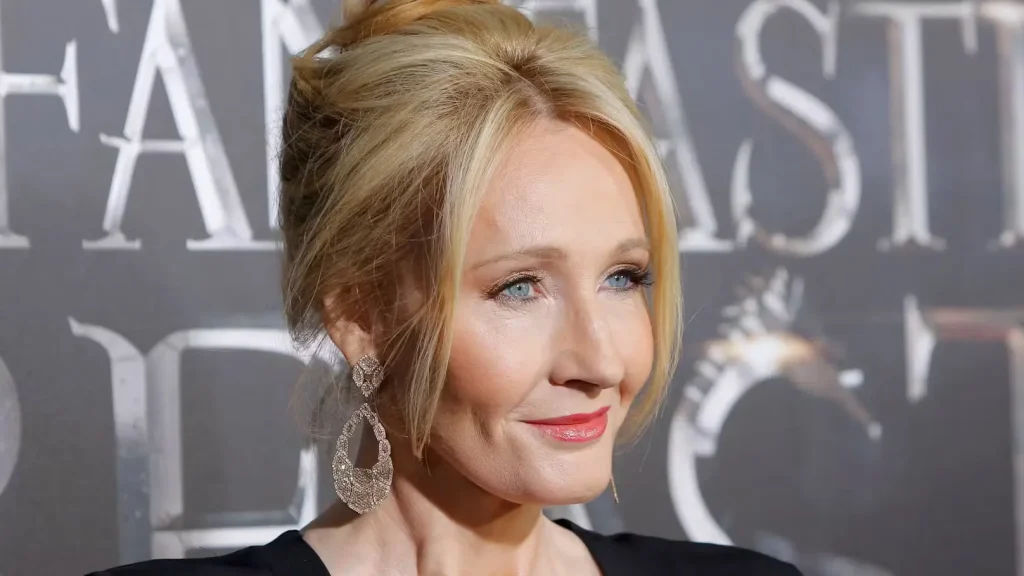
J.K. Rowling, the British author who created Harry Potter, wrote much of the first book while struggling financially and facing personal hardships. Her story itself is inspirational: from being a single mother writing in cafés to becoming one of the most successful authors in the world. Rowling’s writing is layered, appealing to children with its humor and adventure, but also offering themes of love, sacrifice, and morality that adults deeply connect with.
The books were later adapted into blockbuster films, which only magnified the global Harry Potter phenomenon. Today, Rowling’s Wizarding World has expanded to spin-offs, plays, and even theme parks.
Beyond the Seven Books : Expanding the Wizarding World
If you finish the main series and still crave more, there’s good news: there are additional books and related works. These aren’t part of the main storyline, but they enrich the universe.
- Fantastic Beasts and Where to Find Them (companion book, 2001)
- Quidditch Through the Ages (companion book, 2001)
- The Tales of Beedle the Bard (collection of wizarding fairy tales, 2008)
- The Cursed Child (2016) – a stage play script, set years after the main series, following Harry’s son Albus.
These extras give fans a chance to dive deeper into the magical world, learn its history, and see how it extends beyond Harry’s adventures.
Why the Series Still Matters Today
Harry Potter isn’t just a nostalgic read, it has shaped an entire generation. Themes of friendship, courage, and the battle between good and evil are timeless. What makes the series unique is how it grows up with its readers: the first books are lighter and more whimsical, while the later ones become darker, tackling loss, war, and resilience.
For new readers, it’s a complete journey, from the innocence of discovering magic to the maturity of confronting life’s hardest truths.
FAQ
Q1: Can I read the Harry Potter books out of order?
Technically, yes, but it’s not recommended. Each book builds on the previous one, with character development and plot arcs that won’t make sense if you skip around.
Q2: Are the companion books necessary to read?
No, they’re optional. They’re more like bonus content for fans who want to dive deeper into the Wizarding World. The main story is fully told in the seven original books.
Q3: Is Harry Potter only for kids?
Not at all. While the early books are written for children, the themes mature as the series progresses. Adults often find themselves just as invested, if not more so.
Final Verdict
Reading the Harry Potter books in order is the best way to experience the magic as J.K. Rowling intended. It’s a journey worth taking, whether it’s your first read or your tenth re-read. From the first letter Harry receives from Hogwarts to the final showdown against Voldemort, these books remain a cultural cornerstone of modern storytelling.
If you haven’t yet taken the trip through Platform 9¾, now is the time. Trust me, you won’t regret it.

Leave a Reply