
Claire Keegan Books in Order: Where to Begin With Her Irish Fiction
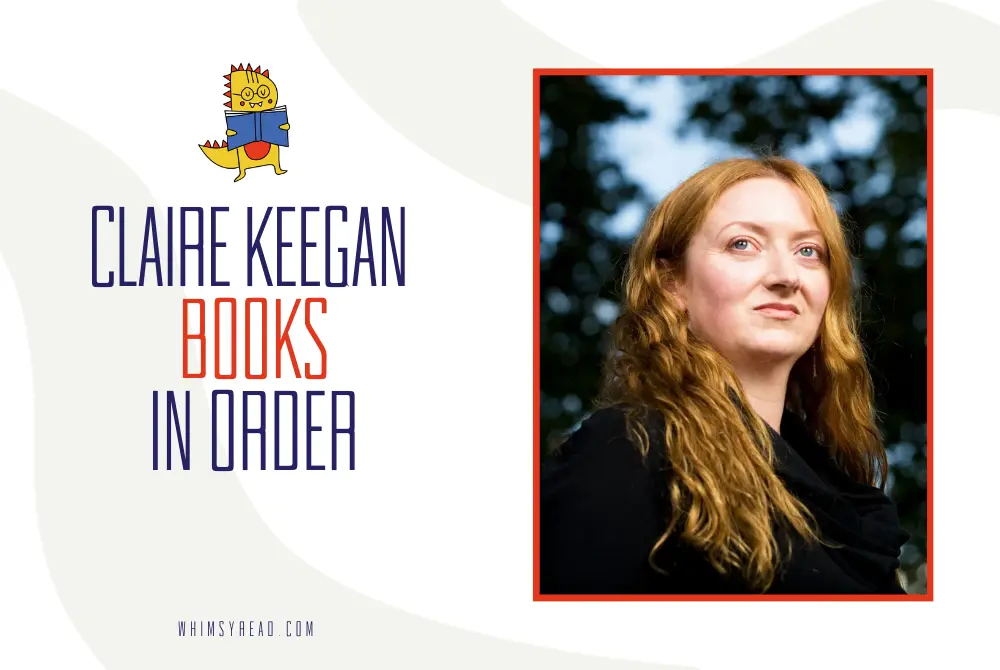
Irish writer Claire Keegan is celebrated for short fiction in which a gesture, an overheard remark, or an ordinary domestic decision can carry the weight of an entire life. Her stories frequently explore rural Ireland, family relationships, social silence, power, gender, and the difference between kindness and convention. A reader expecting a long multivolume saga will find something very different: compact works designed to be read attentively.
The main bibliographic complication is format. Some Keegan stories first appeared inside collections before receiving separate editions, and American publishers have sometimes released a work years after its original appearance. The guide below identifies original publication years, explains what is actually new, and helps readers avoid buying the same story twice unless they want a particular edition.
Claire Keegan’s Major Books in Publication Order
1. Antarctica (1999)
Keegan’s debut collection brings together stories of people navigating desire, loss, marriage, and the narrow expectations of their communities. The title story follows a married woman who sets out to experience an affair and discovers how dangerous an apparently controlled departure from routine can become. Read this to see the darker, sometimes more abrasive side of the craftsmanship that later became associated with her novellas.
2. Walk the Blue Fields (2007)
This second collection moves through Irish villages, farms, marriages, and religious life, often exposing feelings that characters are unwilling to name. In the title story, a priest confronts the personal consequences of a decision made years earlier; other pieces examine family duty, abandonment, and uneasy belonging. It is the best next step for readers who appreciate Keegan’s precise emotional detail and want more varied viewpoints than a single novella provides.
3. Foster (2010)
A young girl is sent to live with a childless couple, the Kinsellas, in rural Ireland while her mother prepares for another birth. In an unfamiliar household, small acts of attention and tenderness gradually show her what safety and care can feel like, even as the adults carry an unspoken grief. The story originally appeared in shorter form before its separately published edition; later U.S. editions do not mark a new work. It also inspired the Irish-language film The Quiet Girl.
4. The Forester’s Daughter (2019, separate Faber Stories edition)
A family living on a farm in County Wicklow becomes the setting for a story about a marriage, the ambitions that people surrender, and the fierce clarity of a child. Its separate Faber Stories publication can look like another full-length Keegan book in online lists, but the story was already included in Walk the Blue Fields. Readers who own that collection can skip this edition unless they want the small stand-alone volume.
5. Small Things Like These (2021)
In 1985, coal and timber merchant Bill Furlong makes his rounds in an Irish town during the weeks before Christmas. A discovery at the local convent forces him to consider the personal cost of acting on what he knows in a community shaped by religious authority and social pressure. Shortlisted for the Booker Prize and winner of the Orwell Prize for Political Fiction, this novella is an unusually accessible starting point for readers interested in moral courage, institutional silence, and Irish social history.
6. So Late in the Day (2023)
In the title story, Dublin office worker Cathal considers the collapse of a relationship after an ordinary Friday at work, revealing the entitlement and emotional habits that shaped it. Some editions package the title story with additional Keegan stories, including previously published work, so the contents differ from what a reader might assume from the title alone. It is a strong choice for those interested in how Keegan examines gender expectations through small domestic incidents rather than overt speeches.
The Best Claire Keegan Reading Order for Different Readers
Start with *Small Things Like These* if you want: a complete, brief moral story; an accessible historical setting; or a book-club discussion about personal responsibility. Choose *Foster* if you want: an emotionally affecting perspective on childhood and the subtle language of affection. Choose *Antarctica* if you prefer: unsettling stories, complicated adult choices, and a less comforting tone. Readers who like short fiction collections rather than one sustained plot should move from Walk the Blue Fields to Antarctica.
For a rewarding three-book introduction, read Foster, Small Things Like These, and Walk the Blue Fields. You encounter two very different child-and-adult perspectives, then see the broader range of Keegan’s narrative voices. Chronological order is useful for studying her artistic development but not necessary for understanding any individual story.
Original Work, New Edition, or Reprint?
Foster appeared as a story before it was issued separately, and its later American publication is often shown as 2022. That is an edition date, not the birth of a new narrative. The Forester’s Daughter is already found in Walk the Blue Fields, while some versions of So Late in the Day include stories first published elsewhere. Buyers who want every distinct text rather than every physical book should compare tables of contents, not just covers or ISBNs.
What Makes Keegan’s Fiction Distinctive?
Keegan is associated with literary compression: she often leaves major events unstated while building meaning through dialogue, objects, silences, and shifts in a child’s or adult’s perceptions. Her work draws on specific Irish settings without requiring readers to know local history in advance. Small Things Like These particularly rewards an awareness of the Magdalene laundries and the social conditions surrounding them, though its characters and plot remain fiction rather than documentary testimony.
Frequently Asked Questions About Claire Keegan
What is the first Claire Keegan book?
Antarctica (1999) is her first major short-story collection. Foster is a later individual story, not her literary debut. Start with Antarctica for career chronology or with Foster if you prefer a short stand-alone narrative.
Are Foster and Small Things Like These related?
They are independent works with different characters and settings. Both explore tenderness, silence, and ethical choices, but you can read either without the other. Their shared literary approach does not make them installments of a series.
Is The Forester’s Daughter a new Claire Keegan story?
No. The separately published 2019 edition presents a story already included in Walk the Blue Fields (2007). Readers collecting original stories should treat the slim edition as an alternative format, not an extra novel.
Which Claire Keegan books were adapted for film?
Foster inspired The Quiet Girl, and Small Things Like These was also adapted for the screen. If you intend to compare book and film, reading the original first highlights the interior observations and silences that cinema must convey differently.
How many novels has Claire Keegan written?
Catalogs sometimes classify Foster and Small Things Like These as short novels or novellas, while her other books are predominantly short-story collections and individually published stories. There is no long numbered novel sequence; counts vary depending on whether separate editions and reprinted stories are included.
Which Claire Keegan book should a book club choose?
Small Things Like These offers particularly rich discussion about complicity, social expectations, and the possibility of individual action. Foster is another excellent choice when the group wants to discuss caregiving, narration, and emotional understatement.
Final Thoughts
You do not need a complicated series chart to read Claire Keegan. Begin with the story that appeals to you, then use publication order if you want to see her craft develop. Most importantly, distinguish original stories from later stand-alone editions when building your collection.

Leave a Reply