6 Victorian Christmas Books That Bring the Old-Fashioned Holiday to Life
There’s something wonderfully atmospheric about reading a Christmas story from another century. The celebrations may look different from ours, but the familiar feelings are still there: the excitement of Christmas morning, the warmth of a family gathering, the generosity of giving, and the hope that comes with a fresh beginning.
The Victorian period, spanning Queen Victoria’s reign from 1837 to 1901, was especially important in shaping the Christmas traditions many people recognise today. Writers such as Charles Dickens and Anthony Trollope captured the celebrations, social customs, and domestic lives of the time. Their stories also helped make Christmas a popular subject for literature.
I’ve brought together six books that offer different ways to experience a historical Christmas. Some were written during the 19th century, others are modern stories set in Victorian England, and one takes readers back to Christmas customs that existed before Victoria’s reign. Together, they make a lovely reading list for anyone who enjoys classic literature, historical fiction, and old-fashioned holiday atmosphere.
The best Victorian Christmas books to add to your reading list
1. A Christmas Carol by Charles Dickens
Best for: Readers who want the quintessential Victorian Christmas story, with ghosts, redemption, and timeless holiday spirit
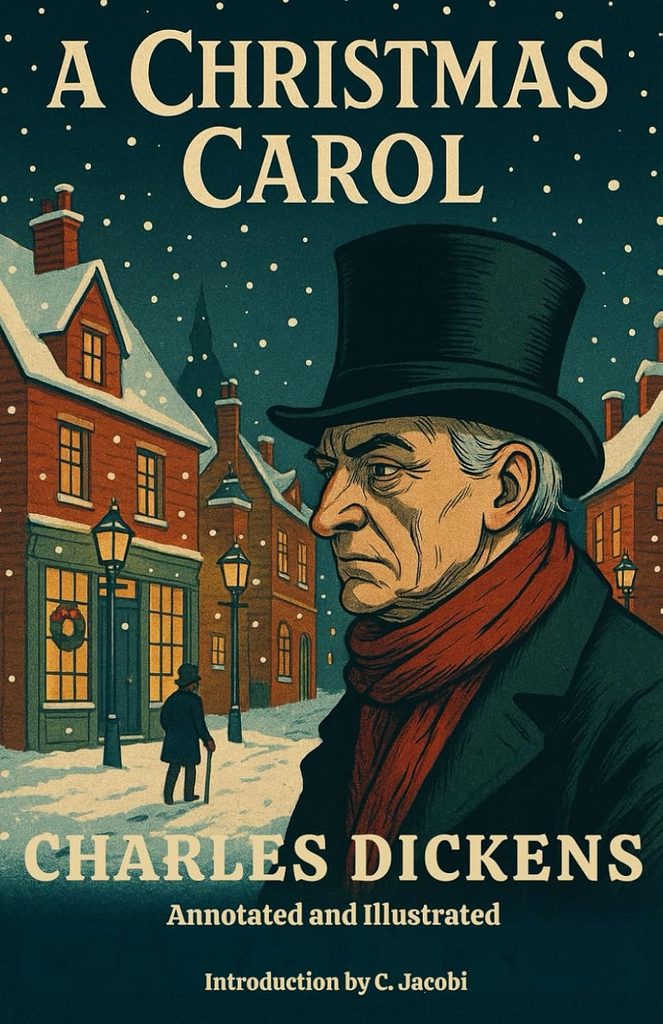
It’s difficult to talk about Victorian Christmas literature without starting with A Christmas Carol. Published in 1843, Charles Dickens’s novella is one of the most influential Christmas stories ever written, and its message still feels relevant more than 180 years later.
The story follows Ebenezer Scrooge, a wealthy London businessman who has little patience for Christmas or the people who celebrate it. He considers the holiday a waste of time and money, and his miserly attitude has left him isolated from family, friends, and the wider community.
Everything changes on Christmas Eve when Scrooge is visited by the ghost of his former business partner, Jacob Marley. Marley warns him that his selfish life has consequences and that he still has a chance to change.
During the night, three spirits arrive: the Ghost of Christmas Past, the Ghost of Christmas Present, and the Ghost of Christmas Yet to Come. Each takes Scrooge through a different part of his life, revealing the experiences that shaped him, the people he has hurt, and the lonely future that awaits if he refuses to change.
Through these supernatural encounters, Dickens explores poverty, generosity, social responsibility, family, and the importance of compassion. The Cratchit family, particularly the young Tiny Tim, provides one of the story’s most memorable emotional contrasts with Scrooge’s comfortable but joyless existence.
What makes the book so enduring is that its Christmas spirit isn’t simply about decorations, presents, or festive meals. It argues that the season should inspire people to become kinder and more generous throughout the year.
Why it belongs on this list: This is the essential starting point for anyone exploring Victorian Christmas books. Its influence on popular Christmas imagery, storytelling, and the idea of a season built around generosity is difficult to overstate.
2. Christmas at Thompson Hall and Other Christmas Stories by Anthony Trollope
Best for: Readers who enjoy classic Victorian short stories, social observation, and traditional English Christmas celebrations
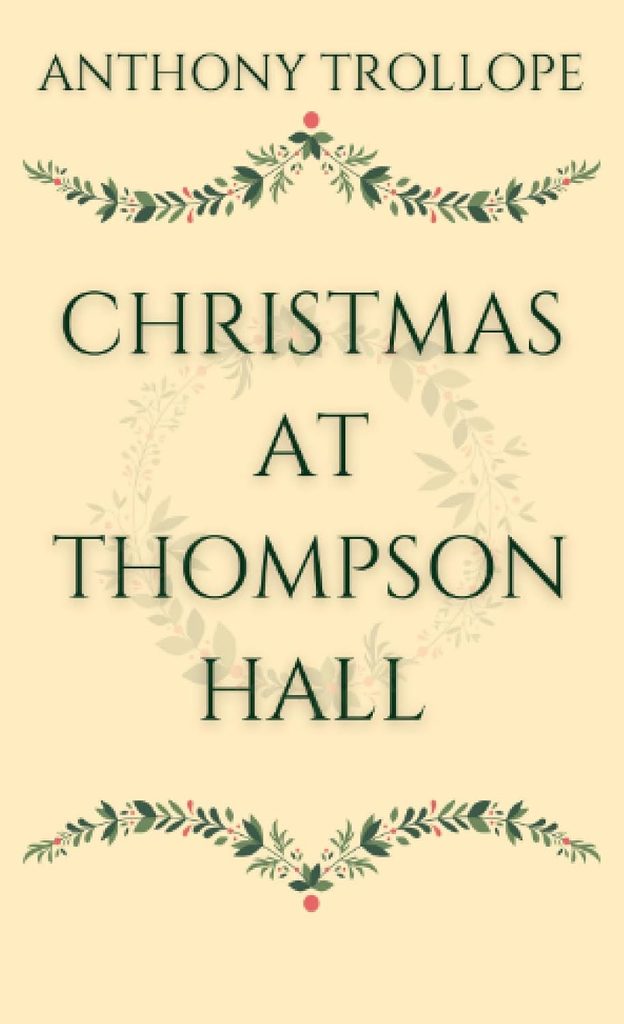
Charles Dickens isn’t the only Victorian writer who knew how to capture the atmosphere of Christmas. Anthony Trollope offers a different perspective in Christmas at Thompson Hall and Other Christmas Stories, a collection of festive tales that explores the lives and relationships of Victorian England’s middle classes and gentry.
The Penguin Christmas Classics edition brings together five stories: “Christmas at Thompson Hall,” “Christmas Day at Kirkby Cottage,” “The Mistletoe Bough,” “The Two Generals,” and “Not If I Know It.”
Rather than following one central character through a single Christmas adventure, the collection offers several glimpses into the holiday season. Trollope brings his characteristic humour and careful observation to family gatherings, romantic complications, social expectations, and the small misunderstandings that can make festive occasions memorable.
The title story, “Christmas at Thompson Hall,” is particularly enjoyable for readers who appreciate domestic comedy and the awkward situations that can arise when people gather for the holidays. Other stories offer different perspectives on relationships, duty, affection, and social life.
Trollope’s writing is especially valuable because it doesn’t present Christmas as a perfect, sentimental occasion. His characters have disagreements, ambitions, and personal problems, just like people do today. The historical setting makes their experiences fascinating, but the human details remain familiar.
Why it belongs on this list: It’s a wonderful way to experience the social atmosphere of a Victorian Christmas beyond Dickens. If you enjoy classic literature and prefer several shorter stories to one longer novel, this collection deserves a place on your shelf.
3. A Merry Christmas and Other Christmas Stories by Louisa May Alcott
Best for: Readers who enjoy family-centred Christmas stories, gentle humour, and 19th-century American literature
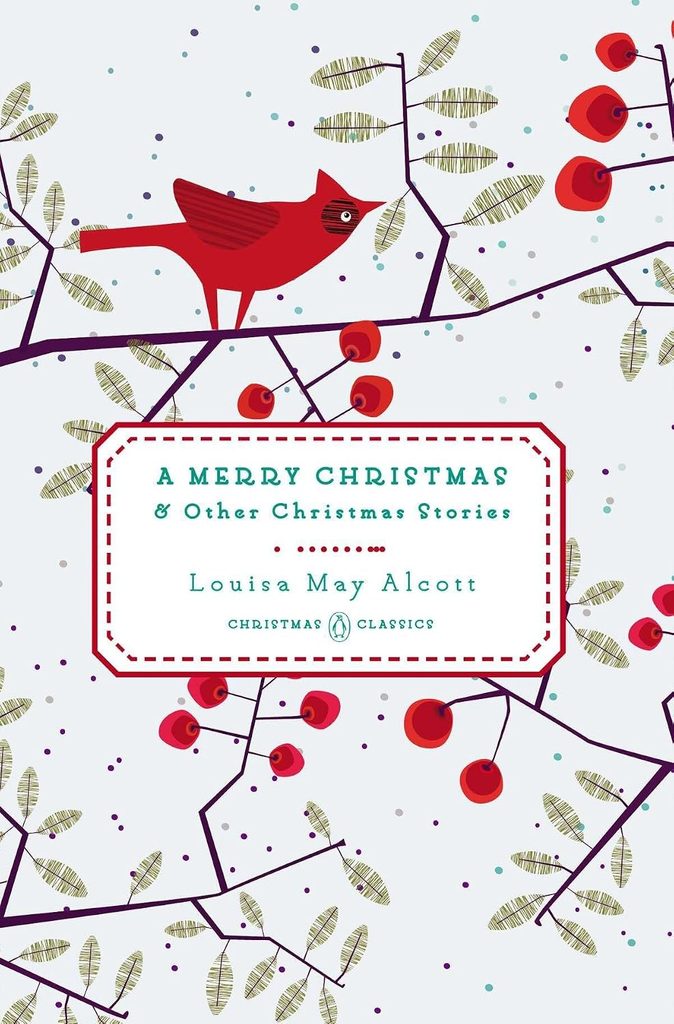
Louisa May Alcott is best known for Little Women, but her Christmas writing is also worth exploring. A Merry Christmas and Other Christmas Stories brings together several of her holiday tales, offering a warm picture of family life, generosity, and the spirit of giving in 19th-century America.
The collection includes stories such as “The Quiet Little Woman,” “Kate’s Choice,” and “What Love Can Do,” alongside other festive writing. Some stories draw on Alcott’s own family experiences, while others reflect the social concerns and values that shaped her work.
Readers familiar with Little Women may recognise the importance Alcott places on kindness, family responsibility, and looking after people who have less. Her Christmas stories often focus on people who find happiness not through wealth or extravagant celebrations, but through generosity and affection.
The American setting is an interesting contrast to the English Christmas traditions found in Dickens and Trollope. Alcott’s stories offer a different view of 19th-century holiday life, shaped by American family customs and the experiences of a writer whose work was influenced by abolitionism and the women’s rights movement.
Her stories are generally more intimate than the sweeping social commentary of A Christmas Carol. They focus on individual choices, relationships, and the small moments that reveal someone’s character.
Why it belongs on this list: It broadens the reading experience beyond Victorian Britain and introduces a distinctly American 19th-century Christmas atmosphere. It’s particularly appealing to readers who enjoy the family warmth and moral storytelling of Little Women.
4. The Cricket on the Hearth by Charles Dickens
Best for: Readers who enjoy cosy Victorian domestic fiction, sentimental storytelling, and a touch of fantasy
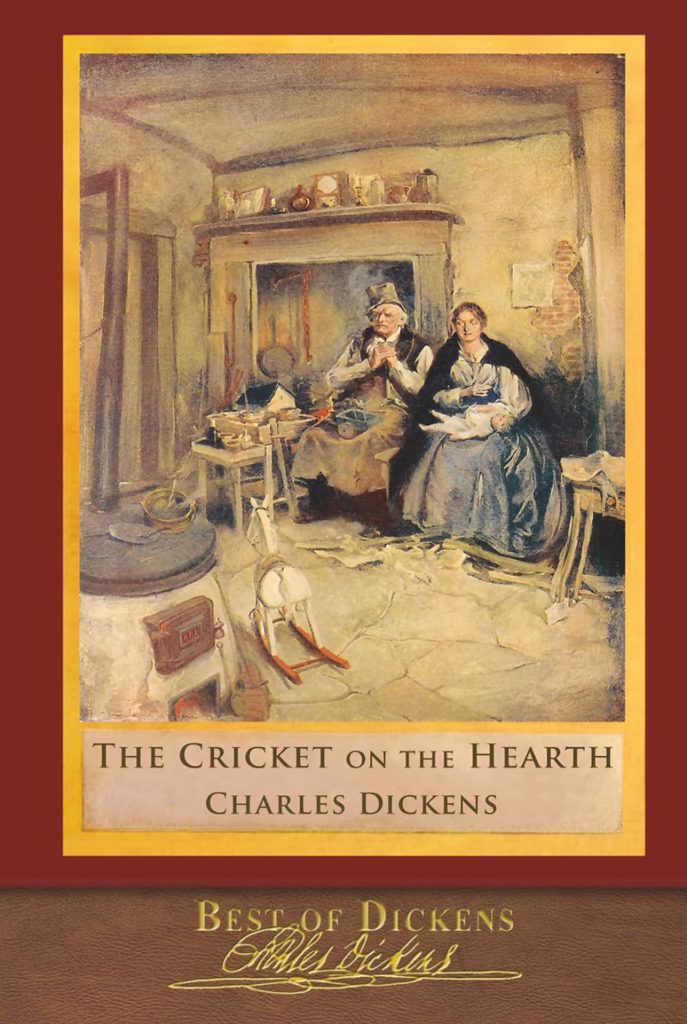
Charles Dickens returned to Christmas storytelling in 1845 with The Cricket on the Hearth: A Fairy Tale of Home, his third major Christmas book.
This time, instead of following a miser’s supernatural transformation, Dickens tells a domestic story about marriage, trust, and the importance of home. The central characters are John Peerybingle, a carrier, and his young wife, Dot. Their household is a modest but affectionate one, with a cheerful cricket on the hearth that seems to bring a little magic into their everyday lives.
The cricket is more than a background detail. Its chirping becomes a comforting presence and a symbol of happiness in the home. But the couple’s peaceful life is threatened when misunderstandings and jealousy create doubts about their relationship.
John begins to suspect that Dot may be unfaithful, and the story follows the emotional consequences of those suspicions. Along the way, Dickens introduces several memorable characters and explores the difficulties that can arise when people misinterpret one another’s actions.
There is a fairy-tale quality to the storytelling, but the central concerns are recognisably human: love, loyalty, trust, and the need to understand the people closest to us.
Compared with A Christmas Carol, this is a quieter and more domestic Christmas story. It doesn’t have the same famous ghosts or dramatic moral transformation, but its emphasis on home and affection gives it a special seasonal charm.
Why it belongs on this list: It is one of Dickens’s original Christmas books and offers a lovely example of Victorian domestic storytelling. Readers who enjoy gentle, old-fashioned fiction may find it especially rewarding.
5. A Christmas Visitor by Anne Perry
Best for: Readers who enjoy Victorian historical mysteries, country-house settings, and Christmas crime fiction
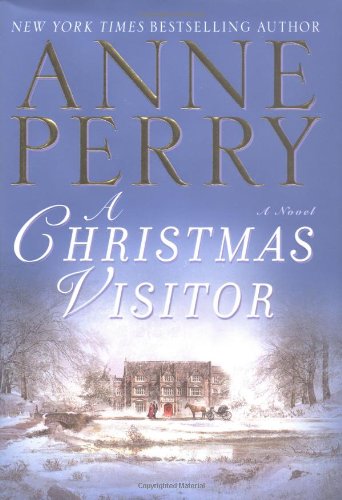
If you like your Christmas reading with a little suspense, Anne Perry‘s A Christmas Visitor offers a festive mystery set against the atmosphere of a snowbound English country estate.
Unlike the earlier titles on this list, this is a modern historical novella rather than a book written during the Victorian period. Perry was known for her historical crime fiction set in Victorian England, and this Christmas story brings that familiar world into a seasonal mystery.
The story centres on the Dreghorn family, who gather for a Christmas reunion at their manor house near Ullswater in the Lake District. The peaceful atmosphere is disrupted when Judah Dreghorn, the master of the estate, is found dead after apparently drowning in a stream.
His death might initially appear to be an accident, but questions soon arise. Ashton Gower, a recently released prisoner, claims that the Dreghorn family has no rightful claim to the estate and that the legal documents behind his imprisonment were forged.
Henry Rathbone, a distinguished mathematician and inventor, becomes involved in the investigation. As he examines the circumstances surrounding Judah’s death and the family’s complicated history, it becomes clear that the apparent accident may conceal something much more sinister.
Perry combines a traditional country-house mystery with family tensions, old accusations, and the unsettling atmosphere of a winter gathering. The result is a Christmas story for readers who prefer clues and suspicious characters to sentimental holiday celebrations.
Why it belongs on this list: It’s a good choice for readers who want a Victorian historical setting with a proper mystery at its centre. The book also provides a different mood from Dickens and the other classic Christmas collections.
6. Old Christmas by Washington Irving
Best for: Readers interested in historical Christmas customs, traditional English celebrations, and atmospheric literary sketches
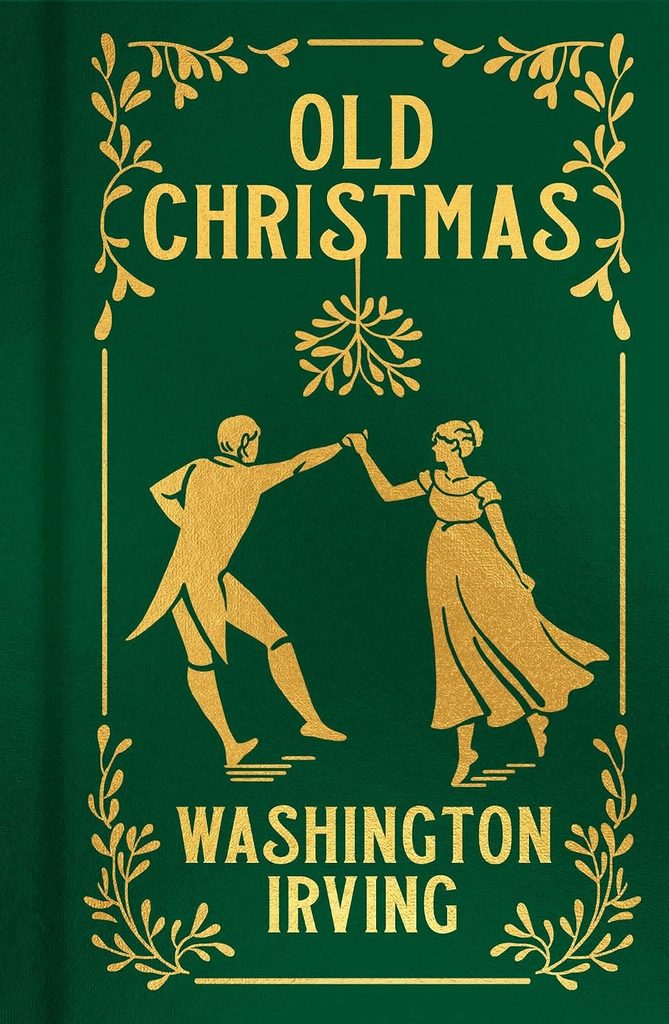
Washington Irving’s Old Christmas is a fascinating addition to this list, although it comes with an important historical distinction: the original Christmas sketches appeared in The Sketch Book of Geoffrey Crayon, Gent. in 1819–1820, before the Victorian era began.
So why include it in an article about Victorian Christmas books?
Because Irving’s writing offers a valuable glimpse into older English Christmas customs that later generations of Victorian writers would also celebrate and reinterpret. It provides a kind of historical backdrop to the festive traditions that became popular during the 19th century.
The book describes the narrator’s visit to an English country estate during the Christmas season. Through a series of sketches, Irving presents a world of traditional hospitality, family gatherings, festive meals, carols, games, and old-fashioned celebrations.
The atmosphere is wonderfully nostalgic. Readers encounter a country household where Christmas is an occasion for bringing people together, welcoming guests, and keeping traditional customs alive.
Irving was an American writer, but his descriptions of English Christmas celebrations helped shape how readers in the United States imagined the holiday. His work contributed to a growing appreciation of Christmas as a season of hospitality, generosity, and communal celebration.
Why it belongs on this list: Think of Old Christmas as a pre-Victorian companion to the other books rather than a Victorian-era publication. It’s especially interesting for readers who want to understand the older English traditions that influenced later Christmas literature.
What made Christmas special in Victorian England?
The Victorian period played an important role in shaping the Christmas traditions many people still recognise. Some customs existed long before Queen Victoria’s reign, but the 19th century helped popularise and transform them.
Here are a few details that make Victorian Christmas literature so fascinating.
The Christmas tree became a familiar household tradition
Evergreen decorations had long been associated with winter celebrations, but the Christmas tree became increasingly fashionable in Britain during the Victorian period.
Prince Albert, Queen Victoria’s German-born husband, helped popularise the decorated Christmas tree at the royal household. An illustrated image of the royal family gathered around a Christmas tree, published in 1848, helped make the tradition fashionable among British families.
That image of a decorated tree surrounded by presents became one of the defining pictures of a Victorian Christmas.
Christmas became more closely associated with family life
Victorian writers often portrayed Christmas as a time for family reunions, shared meals, generosity, and domestic happiness.
Dickens’s stories helped popularise this sentimental view of the holiday. The Cratchit family in A Christmas Carol is a particularly memorable example: they have little money, but their affection for one another makes their Christmas meaningful.
Christmas cards and gift-giving grew in popularity
The first commercial Christmas card was commissioned by Henry Cole in 1843, the same year A Christmas Carol was published.
As printing and manufacturing developed, Christmas cards and commercially produced gifts became increasingly accessible. The tradition of sending seasonal greetings and exchanging presents became a more familiar part of British Christmas life.
Carol singing and festive entertainment flourished
Carolling was not invented during the Victorian era, but the 19th century saw renewed interest in traditional Christmas songs and the publication of new carols.
Christmas gatherings also included games, storytelling, music, parties, and other forms of entertainment. These traditions often appear in Victorian Christmas writing, where the holiday becomes a backdrop for both family happiness and social comedy.
How to choose your next Victorian Christmas read
These books offer different experiences, so the best starting point depends on what you enjoy most.
| If you enjoy… | Start with… |
| Classic Christmas storytelling and redemption | A Christmas Carol |
| Victorian social life and short stories | Christmas at Thompson Hall |
| Family-centred 19th-century American stories | A Merry Christmas |
| Cosy domestic fiction and a touch of fantasy | The Cricket on the Hearth |
| A festive historical mystery | A Christmas Visitor |
| Older English Christmas traditions | Old Christmas |
If you’re new to Victorian Christmas literature, I’d begin with A Christmas Carol. It’s accessible, memorable, and provides a useful introduction to the themes that run through much of the period’s holiday writing.
If you already know Dickens, Trollope and Alcott offer a chance to discover different voices and traditions. And if you want something with a little more suspense, Anne Perry makes a nice change of pace.
Frequently Asked Questions
What are the best Victorian Christmas books?
Some of the most enjoyable choices include Charles Dickens’s A Christmas Carol and The Cricket on the Hearth, Anthony Trollope’s Christmas at Thompson Hall and Other Christmas Stories, and Louisa May Alcott’s A Merry Christmas and Other Christmas Stories. These works offer different views of 19th-century Christmas life and storytelling.
Was A Christmas Carol written during the Victorian era?
Yes. Charles Dickens published A Christmas Carol in December 1843, during Queen Victoria’s reign, which began in 1837. It is one of the best-known works of Victorian Christmas literature.
How did Charles Dickens influence Christmas traditions?
Dickens helped popularise a vision of Christmas centred on family, generosity, charity, and festive togetherness. A Christmas Carol became particularly influential, while his other Christmas books and stories helped make holiday fiction an important part of Victorian literary culture. He did not invent Christmas traditions, but his writing helped shape how many people imagined and celebrated the season.
Is Old Christmas by Washington Irving a Victorian book?
Not by publication date. Its Christmas sketches first appeared in The Sketch Book of Geoffrey Crayon, Gent. in 1819–1820, before the Victorian period began. It is included here as a historical companion because it describes older English Christmas customs that help explain the traditions later celebrated by Victorian writers.
Are all these books set in Victorian England?
No. Most of the classic works on this list reflect 19th-century Christmas traditions, but they have different settings and publication histories. Alcott’s stories are rooted in 19th-century America, while Old Christmas describes an earlier English Christmas. Anne Perry’s A Christmas Visitor is a modern historical mystery associated with Victorian England.
What is the difference between Victorian Christmas fiction and modern historical Christmas fiction?
Victorian Christmas fiction was written during Queen Victoria’s reign, from 1837 to 1901. Modern historical Christmas fiction is written much later but uses the Victorian period as its setting. Dickens and Trollope are examples of Victorian-era writers, while Anne Perry’s A Christmas Visitor is a modern work of historical fiction.
Final Note
Victorian Christmas books offer more than nostalgic descriptions of decorated homes and festive meals. They show how writers used the holiday to explore generosity, family, social responsibility, romance, mystery, and the possibility of personal change.
For the classic Christmas experience, A Christmas Carol remains the obvious first choice. If you’d like to explore the period beyond Dickens, Trollope’s collection and Alcott’s Christmas stories are both rewarding. And for readers who enjoy a little mystery with their holiday atmosphere, A Christmas Visitor offers something different.
I’d also keep Old Christmas nearby. Although it predates the Victorian era, it adds an interesting historical layer to the reading experience and reminds us that the traditions we associate with Christmas have been developing for centuries.
Whether you choose a familiar classic or discover a less widely read festive story, these books make lovely companions for a quiet winter evening.

Leave a Reply