
Rosamunde Pilcher Books in Order: From Cornwall Romances to Her Beloved Family Sagas
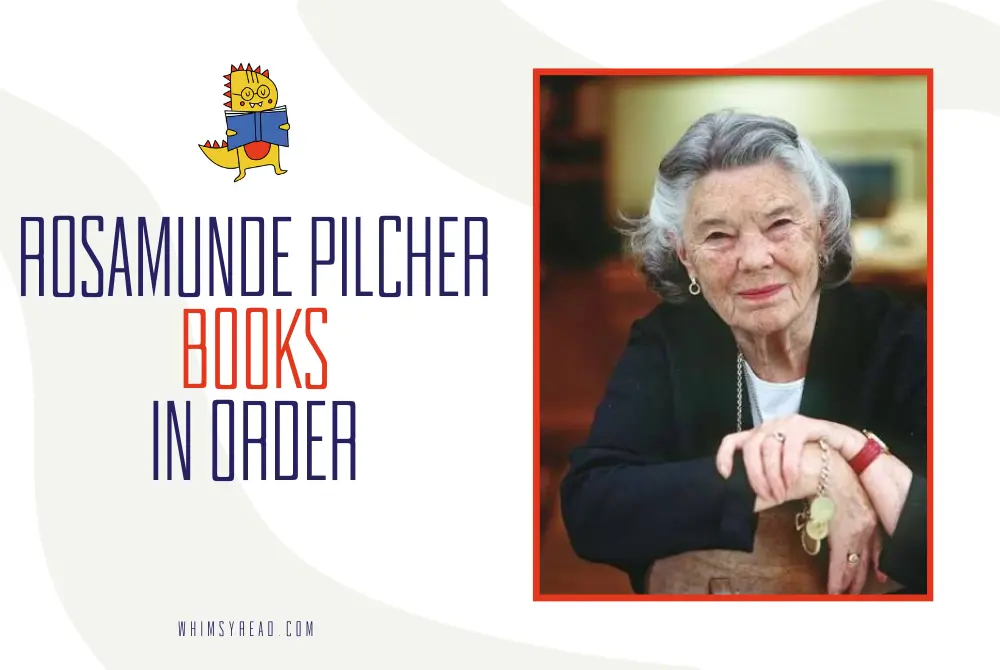
Rosamunde Pilcher had a gift for making ordinary lives feel wonderfully rich with possibility. Her novels bring together family secrets, old friendships, unexpected romance, personal regrets, and the quiet beauty of the British countryside, particularly Cornwall and Scotland.
Pilcher began her writing career under the name Jane Fraser before becoming internationally known for her longer family stories. If you want to read Rosamunde Pilcher books in order, this guide lists her novels by publication date, separates her short-story collections from her fiction, and highlights the books that make especially good starting points for new readers.
Rosamunde Pilcher Books in Publication Order
Pilcher’s novels generally stand alone, so you can read them in any order without losing a continuing plot. Publication order is useful, however, if you want to follow her development from early romantic fiction to the expansive family sagas that made her famous.
1. The Brown Fields (1951), published as Jane Fraser
One of Pilcher’s early romantic novels, this story reflects the relationship-focused fiction she wrote before becoming widely known under her own name. It is a useful starting point for readers interested in the roots of her writing career.
2. Dangerous Intruder (1951), published as Jane Fraser
This early novel explores romance and the disruption that comes when an unexpected person enters a settled life. It belongs to Pilcher’s early career as a romance writer for the British popular-fiction market.
3. Young Bar (1952), published as Jane Fraser
Another early romance, Young Bar belongs to the period when Pilcher was building her reputation through character-driven stories about relationships and personal choices.
4. A Day Like Spring (1953), published as Jane Fraser
The novel continues Pilcher’s early exploration of love and changing circumstances. Readers interested in her earliest fiction can see the foundations of the intimate, personal storytelling that would later define her better-known work.
5. Dear Tom (1954), published as Jane Fraser
This early title belongs to Pilcher’s first decade of published fiction. It is best approached as a standalone romance rather than as part of a continuing sequence.
6. A Secret to Tell (1955)
Published under Rosamunde Pilcher’s own name, this novel marks an important stage in her transition away from the Jane Fraser pen name. It provides a useful bridge between her early romantic fiction and her later literary career.
7. Bridge of Corvie (1956), published as Jane Fraser
Set in the Scottish landscape that would become familiar to readers of Pilcher’s later work, this novel belongs to her early romantic fiction. It offers another glimpse of her developing interest in place, relationships, and personal change.
8. A Family Affair (1958), published as Jane Fraser
The title points toward the family relationships and private complications that recur throughout Pilcher’s work. It is an early standalone story rather than part of a connected series.
9. A Long Way from Home (1963), published as Jane Fraser
This novel belongs to the closing period of Pilcher’s use of the Jane Fraser name. It is a useful addition for readers who want to explore her complete early bibliography rather than only her internationally famous books.
10. The Keeper’s House (1963), published as Jane Fraser
Another early novel from the same period, The Keeper’s House adds to Pilcher’s body of relationship-centered fiction. Read it as a standalone work, with no need to follow another novel first.
11. On My Own (1965)
This novel follows Pilcher’s transition into writing under her own name. It belongs to the earlier phase of her career, before the large family sagas that would later bring her international recognition.
12. Sleeping Tiger (1967)
A young woman’s journey to a Mediterranean island brings her into contact with a man whose past is complicated and emotionally troubling. The novel explores attraction, personal history, and the difficult choices that arise when a new relationship challenges familiar assumptions.
13. Another View (1969)
Artist Oliver Dobbs becomes connected to a woman whose life and relationships are more complicated than they first appear. The story explores love, family history, and the ways people understand one another differently as they mature.
14. The End of Summer (1971)
A young woman returns to a Scottish family home and becomes caught up in a complicated web of relationships and old feelings. The novel combines romantic tension with Pilcher’s characteristic attention to landscape and family dynamics.
15. Snow in April (1972)
Caroline travels to Scotland with her younger brother, Jody, but their journey takes an unexpected turn when circumstances leave them stranded. The story brings together family responsibility, new friendships, and the possibility of romance.
16. The Empty House (1973)
Virginia leaves an unhappy marriage and returns to the countryside, where an abandoned house becomes part of her attempt to rebuild her life. The novel explores the courage it takes to start again after years of emotional disappointment.
17. The Day of the Storm (1975)
Rebecca travels to Cornwall to learn more about the family history she has never fully understood. Her discoveries lead her into complicated relationships and force her to reconsider the stories she has been told about her past.
18. Under Gemini (1976)
Twin sisters Rose and Flora have very different lives, but their resemblance and family connection create opportunities for unexpected complications. The novel explores identity, relationships, and the consequences of stepping into another person’s world.
19. Wild Mountain Thyme (1979)
A young woman’s experiences bring romance and difficult personal decisions into focus against a richly described setting. The story reflects Pilcher’s growing confidence with character-driven fiction and the emotional pull of the British landscape.
20. The Carousel (1982)
Prue returns to Cornwall and finds herself drawn into a relationship that forces her to reconsider her future. The novel combines a coastal setting with the familiar Pilcher themes of love, independence, and emotional renewal.
21. Voices in Summer (1984)
Laura accompanies her husband to Cornwall, where time away from everyday responsibilities gives her an opportunity to reflect on her marriage and her own feelings. The novel explores how a change of place can reveal things that have been difficult to acknowledge at home.
22. The Shell Seekers (1987)
This is one of Pilcher’s most famous novels. Penelope Keeling reflects on her life, her children, and the choices she made while a painting created by her father becomes the focus of a family dispute.
The novel moves between past and present, exploring love, independence, regret, and the complicated bonds between parents and adult children. If you read only one Rosamunde Pilcher book, this is an excellent place to begin.
23. September (1990)
Set in Scotland, September brings together several families whose lives intersect around a country gathering. Old relationships, long-buried feelings, and new romantic possibilities emerge as the characters prepare for an important social occasion.
The novel is especially appealing to readers who enjoy large casts, family histories, and stories in which seemingly separate lives gradually connect.
24. Coming Home (1995)
Judith Dunbar spends part of her youth at a boarding school while her family lives overseas, and the relationships she forms during this period shape her life for years to come. Set against the backdrop of the Second World War, the novel explores friendship, love, loss, and the meaning of home.
Coming Home is one of Pilcher’s most expansive works and won the Romantic Novel of the Year award in 1996. It is a strong choice for readers who enjoy long, immersive family stories.
25. Winter Solstice (2000)
Five people whose lives have been affected by loss, disappointment, or difficult changes gradually come together in a large house in Scotland. As Christmas approaches, the house becomes a place where strangers begin to form new bonds and discover the possibility of a different future.
Winter Solstice was Pilcher’s final novel. Its themes of healing, companionship, and starting again make it an especially fitting conclusion to her career as a novelist.
Rosamunde Pilcher Short Stories and Collections in Order
Pilcher also wrote short fiction and published collections that let readers enjoy her storytelling in smaller pieces. These books are separate from her standalone novels, and some editions or catalogs classify the titles differently.
1. The Blue Bedroom and Other Stories (1985)
This collection gathers shorter stories about love, family relationships, memory, and the unexpected turns of ordinary life. It is a good choice for readers who want to experience Pilcher’s style without committing to a full-length novel.
2. Flowers in the Rain and Other Stories (1991)
The collection brings together more of Pilcher’s short fiction, with stories that explore relationships and the emotional details that can change a person’s understanding of the past. It suits readers who enjoy quiet, character-focused storytelling.
3. The World of Rosamunde Pilcher (1995)
This illustrated companion volume offers a broader look at Pilcher’s world and the landscapes associated with her writing. It is more of a supplementary book for admirers than a conventional collection of new novels.
4. The Key (1996)
The Key is a short work of fiction about a woman drawn to an old house and the memories associated with it. Its compact format makes it a natural choice for readers who enjoy Pilcher’s atmosphere and emotional storytelling in a shorter form.
5. Christmas with Rosamunde Pilcher (1997)
This festive companion book brings together Christmas-themed material associated with Pilcher’s work and personal traditions. It is best treated as seasonal supplementary reading rather than another full-length novel.
6. A Place Like Home (2021)
Published after Pilcher’s death, this collection gathers fifteen previously uncollected stories. The stories revisit themes of family, romance, personal change, and the search for a place where life feels settled again.
It is a worthwhile choice for longtime readers who want more of Pilcher’s shorter fiction after finishing the major novels.
Other Collections and Anthologies
Two additional anthology titles appear in bibliographies associated with Pilcher’s work:
- Love Stories (1990): An anthology associated with romantic fiction.
- The Anthology of Love and Romance (1994): A collection of romantic writing.
These are supplementary titles rather than additional standalone Rosamunde Pilcher novels. Editions and contents can vary, so readers building a collection should check the individual book’s contents before counting it as new fiction.
Where Should You Start with Rosamunde Pilcher?
You do not have to begin with her earliest novel. Pilcher’s most famous books are standalone stories, so choose according to the kind of reading experience you want.
- For her best-known family saga: Start with The Shell Seekers.
- For a long story about friendship, love, and wartime life: Read Coming Home.
- For interconnected families and Scottish country life: Choose September.
- For a comforting winter read: Begin with Winter Solstice.
- For a shorter introduction: Try Snow in April or The Empty House.
- For short fiction: Start with The Blue Bedroom and Other Stories or A Place Like Home.
My recommendation is to begin with The Shell Seekers. It captures many of the qualities readers associate with Pilcher: memorable family relationships, a vivid sense of place, and characters whose past choices continue to shape their present lives.
Frequently Asked Questions
How many novels did Rosamunde Pilcher write?
A commonly used bibliography lists 25 standalone novels, including the early titles published as Jane Fraser and her later novels published under her own name. The total number of books associated with Pilcher is higher when short-story collections, companion books, anthologies, and posthumous collections are included.
What was Rosamunde Pilcher’s first book?
The Brown Fields (1951) is commonly listed as one of her earliest published novels under the Jane Fraser name. Some bibliographies also mention an earlier title, Half-Way to the Moon, dated 1949, so the exact answer depends on which catalog and edition history is used.
Should I read Rosamunde Pilcher’s books in order?
You can read most of her novels in any order because they are standalone stories. Publication order is useful if you want to follow her career from early romantic fiction to her later family sagas.
Which Rosamunde Pilcher book is the most famous?
The Shell Seekers is generally regarded as her signature novel. Its multigenerational family story, central painting, and exploration of the relationship between a mother and her adult children have made it a favorite among her readers.
Are The Shell Seekers and September part of a series?
They are usually classified as standalone novels rather than a numbered series. Readers sometimes group Pilcher’s best-known family-centered books together because they share themes, settings, and a similar storytelling style, but they do not form one continuous sequence.
What is Rosamunde Pilcher’s last novel?
Winter Solstice, published in 2000, was her final novel. It follows several people who find companionship and a fresh start as their lives come together during the Christmas season.
Did Rosamunde Pilcher write under another name?
Yes. She published many of her early romantic novels under the pen name Jane Fraser before becoming widely known as Rosamunde Pilcher. This is why a complete bibliography needs to include both names.
Are there Rosamunde Pilcher books published after her death?
Yes. A Place Like Home, published in 2021, gathers previously uncollected short stories. It is a posthumous collection, not a new full-length novel.
Final Note
Rosamunde Pilcher’s books are less about solving a single mystery or reaching a dramatic twist than about watching people understand themselves and one another over time. Her stories of family, love, memory, and belonging have a particular warmth, whether they unfold in a Cornish village, a Scottish country house, or a family home full of complicated history.
Start with The Shell Seekers if you want the classic Pilcher experience, then move on to September, Coming Home, and Winter Solstice. When you want something shorter, her story collections offer another way to spend time in the world she created.

Leave a Reply