
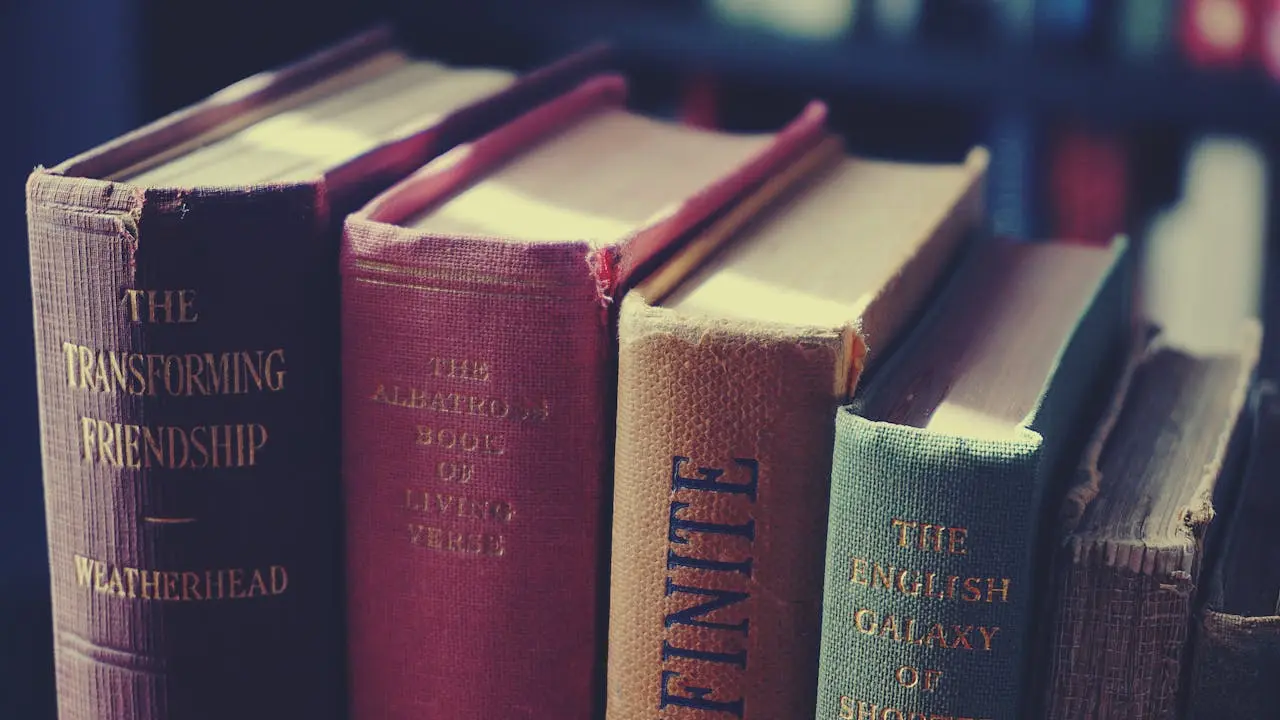
What Are Hardcover Books Made Of? My Little Dive Into Their Secrets
I’ll be honest, I’ve always had a soft spot for hardcover books. The weight in my hands, the sturdy covers, and that crisp sound when you open one for the first time, it just feels different from a paperback. But one day I caught myself wondering: what exactly are hardcover books made of? They look so solid and timeless compared to paperbacks, but what makes them so durable?
So, I decided to dig into it. And here’s the fun part, I’ll break it down in a simple, casual way, like I’m telling a friend over coffee.
The Anatomy of a Hardcover Book
A hardcover book is more than just “paper with a stiff cover.” It’s actually a combination of several materials carefully put together. Think of it like a mini architecture project where every part has a purpose.
Here’s what goes into one:
- The Cover (the “hard” part):
- Usually made of binder’s board (a thick cardboard-like material).
- Sometimes it’s reinforced with paper, fabric (like linen), or even leather.
- Modern publishers often use coated paper with glossy finishes or textured designs for that polished look.
- The Spine:
- The backbone that holds everything in place.
- Often reinforced with cloth or heavy-duty paper.
- Some are even rounded and backed (that subtle curve you see) for added durability.
- Endpapers (those first and last pages):
- Thick sheets of paper that connect the inside pages to the hard cover.
- Besides being functional, endpapers can be decorative, colored, patterned, or illustrated.
- The Text Block (the pages themselves):
- Made of high-quality paper, usually acid-free so it doesn’t yellow quickly.
- Pages are folded into sections called signatures and sewn or glued together.
- The Dust Jacket (optional but iconic):
- That removable glossy paper wrapper with the title, author’s name, and cover art.
- Technically, it’s not “part of the book,” but it’s definitely part of the hardcover experience.
Why All These Materials?
I used to think hardcover books were made this way just to look fancy on a shelf, but no. The materials serve real purposes:
- Durability: The hard covers protect the pages from bending, moisture, and wear.
- Longevity: Acid-free paper and strong binding mean the book lasts for decades (or centuries).
- Aesthetic Appeal: Let’s be real, hardcovers just look better. They’re collectible and gift-worthy.
- Usability: They lay flatter when opened, making reading more comfortable.
Fun Little Extras You’ll Notice
Some hardcovers go the extra mile with:
- Foil stamping on the spine or cover (shiny gold or silver lettering).
- Ribbon bookmarks (a lifesaver if you hate losing your place).
- Embossed or debossed designs (raised or pressed-in textures).
- Cloth covers hidden under the dust jacket, kind of like a secret surprise for book nerds.
Why I Personally Love Knowing This
Once I learned what hardcover books are made of, I started appreciating them more. Next time I pick one up, I’ll know the cover is binder’s board, the endpapers are holding the structure, and the signatures are carefully sewn inside. It’s like holding a piece of craftsmanship, not just a book.
And honestly? It makes me feel a little less guilty about splurging on them, because now I know why they’re more expensive than paperbacks.
My Final Thought
Hardcover books are like the sturdy, well-built houses of the book world. They’re made with layers of strong materials designed to last, and that’s why they’re often the go-to choice for collectors, libraries, and people who just want their favorite stories to survive a lifetime.
Next time you hold one, maybe you’ll feel the same kind of admiration I do, because under that beautiful dust jacket is a blend of art, science, and good old-fashioned craftsmanship.

Leave a Reply