
Joseph Kanon Books in Order: The Ultimate Historical Espionage Guide
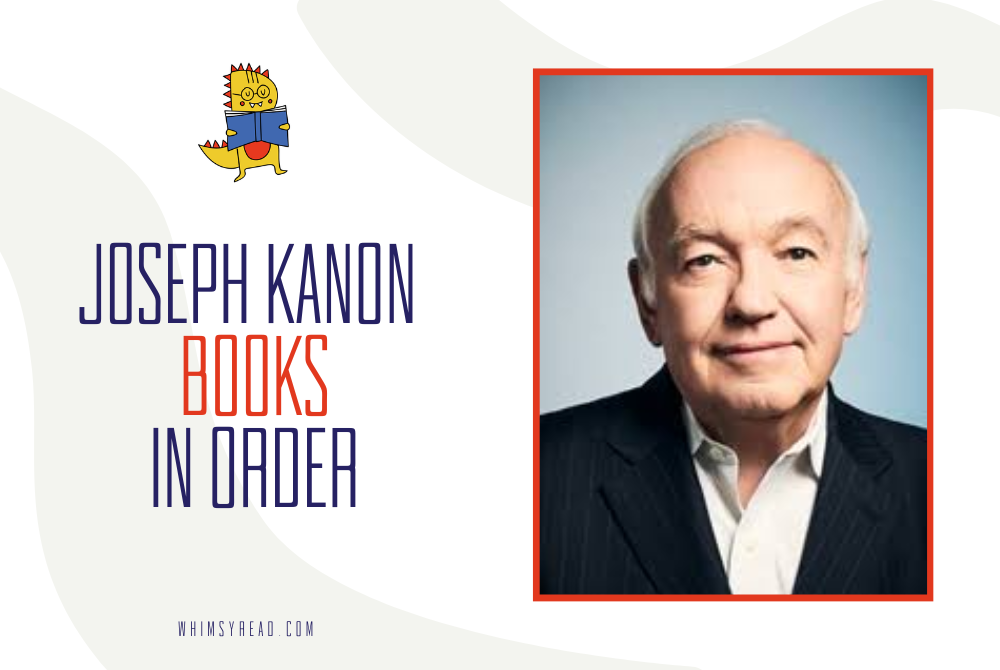
In the landscape of modern historical espionage, Joseph Kanon stands as an absolute master of atmospheric tension. Often compared to giants like John le Carré and Alan Furst, Kanon has carved out a distinct literary identity by focusing his lens on the immediate, chaotic aftermath of World War II and the icy dawn of the Cold War.
Kanon’s thrillers do not feature suave, unshakeable secret agents. Instead, his protagonists are ordinary, deeply flawed people caught in extraordinary historical moments—journalists, refugees, minor diplomats, and cynical scientists forced to navigate heavy moral grey areas where there are no clean choices. From the ruins of a devastated Berlin to the nerve-wracked streets of neutral Istanbul, his settings are so rich and meticulously researched they function as characters themselves. To fully appreciate how he weaves human drama into the fabric of real history, here is the definitive guide to reading Joseph Kanon’s books in order.
Why Joseph Kanon’s Spy Fiction Stands Out
- Flawless Historical Accuracy: Kanon, a former top-tier book publishing executive, roots his fiction deeply in intense archival realities, making the political paranoia of the 1940s and 1950s pulse with life.
- Deep Moral Ambiguity: There are no straightforward villains or pristine heroes. Characters routinely grapple with the staggering moral costs of survival, loyalty, and post-war guilt.
- Espionage as Human Drama: While his books deliver masterful pacing and complex espionage tradecraft, the heart of each story centers on the devastating impact of global conflicts on personal relationships and families.
Joseph Kanon Books in Publication Order
Because each book is a self-contained standalone novel, you can safely dive into any of these historical thrillers without fearing continuous cliffhangers. However, reading them in order of release shows his growth as a pioneer of modern historical suspense.
Los Alamos (1997)
- The Setting: New Mexico, 1945.
- The Plot: Amidst the frantic, hyper-secret race to construct the world’s first atomic bomb, a security officer is found murdered in the desert. Conscription brings a civilian investigator into the closed laboratory community of the Manhattan Project, uncovering a web of espionage, intense secrecy, and scientific sacrifice.
- Note: This dazzling debut won the prestigious Edgar Award for Best First Novel in 1998.
The Prodigal Spy (1998)
- The Setting: Washington, D.C., and Moscow, spanning 1950 to 1969.
- The Plot: Exploring the terrifying paranoia of the McCarthy-era anti-communist witch-hunts, this novel follows a young man searching for the truth about his father, a State Department official accused of passing secrets to the Soviets.
The Good German (2001)
- The Setting: Ruined Berlin, 1945.
- The Plot: American journalist Jake Geismar returns to a hollowed-out Berlin during the Potsdam Conference to cover the peace treaty, only to find himself investigating a murder that exposes the shocking moral compromises the Allies are willing to make to secure German scientific assets.
- Note: This critically acclaimed masterpiece was adapted into a major Hollywood film starring George Clooney and Cate Blanchett.
Alibi (2005)
- The Setting: Post-war Venice, 1946.
- The Plot: Adam Miller, a former U.S. Army war crimes investigator, travels to Venice to clear his mind. He falls for a beautiful Jewish survivor, but their romance fractures when he discovers his own mother’s wealthy new fiancé may be a brutal Nazi collaborator hiding behind a flawless alibi.
Stardust (2009)
- The Setting: Hollywood, 1945.
- The Plot: Ben Teal returns from the war to the glittering, superficial studios of Hollywood to help his studio-mogul brother. He is instantly plunged into a dark undercurrent of communist blacklisting, glamorous studio secrets, and a murder investigation that cuts through the American dream.
Istanbul Passage (2012)
- The Setting: Neutral Istanbul, 1945.
- The Plot: Istanbul operated as a vibrant crossroads for global spies during WWII. As the war ends, American businessman and part-time agent Leon Bauer is given a seemingly routine assignment to smuggle a high-value defector out of Europe—a mission that collapses into a bloody gunfight and forces a desperate game of survival.
Leaving Berlin (2014)
- The Setting: East Berlin, 1948.
- The Plot: Set against the high-tension backdrop of the historic Berlin Airlift, an exiled German-Jewish writer returns home from America under a cloud of McCarthyism. To stay, he is forced by Soviet authorities and Western intelligence to act as a reluctant informant in a city starving for resources and truth.
Defectors (2017)
- The Setting: Moscow, 1961.
- The Plot: Frank Weeks, the Cold War’s most notorious American defector, has spent years living in Moscow after betraying his country. When he decides to publish his memoirs, his publisher brother is sent to edit the manuscript, stepping straight into a psychological minefield of family loyalty and renewed betrayal.
The Accomplice (2019)
- The Setting: Argentina, 1962.
- The Plot: Max Weill, a frail but fiercely determined Nazi hunter and Auschwitz survivor, identifies the unmistakable face of a notorious camp doctor living comfortably in Buenos Aires. Max enlists his analytical nephew to track the target down, triggering a dangerous confrontation with entrenched underground networks.
The Berlin Exchange (2022)
- The Setting: Berlin, 1963.
- The Plot: At a discreet, VIP border crossing at the height of the Cold War, an aging spy swap takes place. Martin Keller, an American physicist jailed in Britain for spying for the KGB, is traded back to the East. But freedom in East Berlin comes with a immediate, terrifying price: Keller must deduce exactly who orchestrated his release and what they still want from him.
Shanghai (2024)
- The Setting: Pre-WWII Shanghai, 1939.
- The Plot: Jipping slightly backward in his usual timeline, Kanon explores the lawless, vice-riddled paradise of Shanghai, which served as a passport-free haven for over 20,000 European Jews fleeing the Gestapo. Daniel Lohr arrives penniless and stateless, quickly realizing that surviving in this glamorous but dangerous city requires crossing lines he never thought possible.
Frequently Asked Questions
Are there any recurring characters in Joseph Kanon’s novels?
No, his books are entirely distinct, self-contained standalone works. However, because several of his novels (The Good German, Leaving Berlin, The Berlin Exchange) take place across different years in Berlin, they collectively form an incredible, panoramic historical canvas of the city’s transformation from post-war rubble to a divided Cold War epicenter.
What is the best book to start with for a new reader?
If you want to experience his award-winning foundation, start directly with Los Alamos (1997). If you want to jump straight into his most cinematic and celebrated post-war European atmosphere, The Good German (2001) or Istanbul Passage (2012) are exceptional entry points.
What was Joseph Kanon’s career before he became a full-time author?
Kanon enjoyed a highly prestigious, decades-long career in the upper echelons of the American publishing industry. He served as the Editor-in-Chief, CEO, and President of major publishing institutions including Houghton Mifflin and E.P. Dutton before transitioning to write his own fiction full-time in 1995 at the age of 49.
Conclusion: Pour a Drink and Step into the Shadows
The Final Verdict: Joseph Kanon does not write simple, high-octane action stories; he writes rich, slow-burn historical literature that happens to double as gripping espionage suspense. To witness a master craftsman seamlessly blend real geopolitical history with deep human frailty, start your journey with Los Alamos (1997) or follow his atmospheric trail through the ruins of post-war Europe.

Leave a Reply