
The Complete Guide to Reading Sarah Moss Books in Order
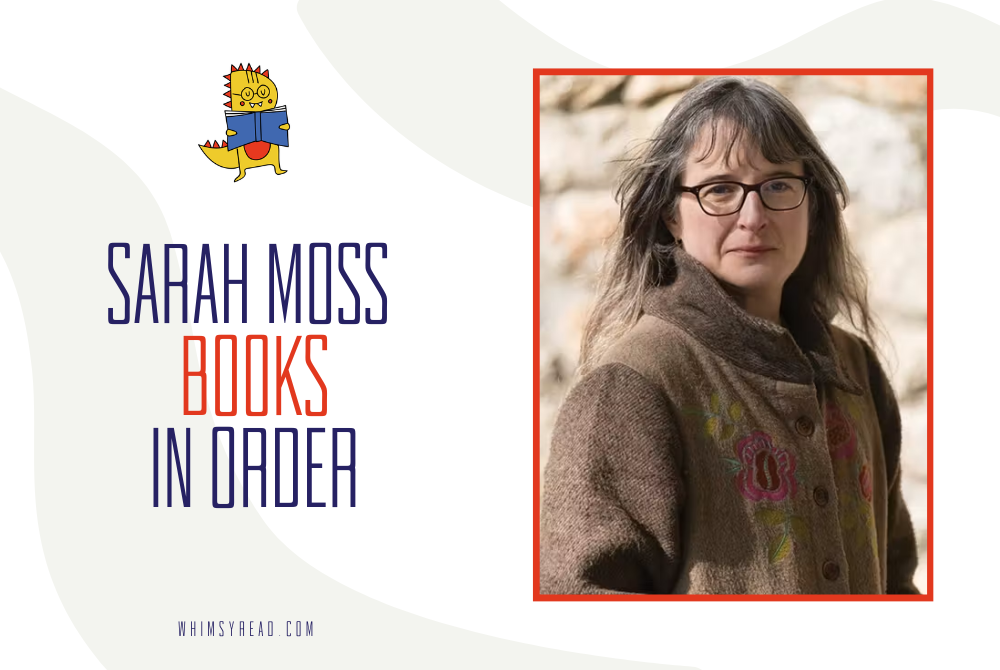
There is a precise, quiet menace in the writing of Sarah Moss. A fellow of the Royal Society of Literature and a highly acclaimed academic, Moss is a master of the slim, psychologically intense novel. Her books are celebrated for their claustrophobic settings—ranging from remote Scottish lochs and isolated islands to archaeological digs—and her unflinching ability to dissect British middle-class anxieties, parental dread, and historical ghosts. Below is the definitive guide to reading Sarah Moss’s books in order.
The Novels in Chronological Order
1. Cold Earth (2009)
Moss’s haunting debut novel is set at a remote archaeological dig in Greenland. As a small group of international researchers unearths Norse ruins, a global pandemic cuts off all communication with the outside world. Trapped by the elements and spiraling into isolation, the team battles paranoia, winter weather, and ghostly apparitions that may be real or products of their fracturing minds.
2. Night Waking (2011)
Winner of the Jerwood Fiction Uncovered Prize. Anna, an exhausted academic and mother of two young boys, spends the summer on a remote, wind-swept Hebridean island while her husband studies puffins. Her stressful attempts to balance work and motherhood take a dark turn when she discovers the skeletal remains of an infant buried in the garden, unravelling a Victorian tragedy that mirrors her own modern anxieties.
3. Bodies of Light (2014)
Shortlisted for the Wellcome Book Prize. This deeply researched historical novel takes place in the grim, respectable world of Victorian Manchester. It follows Ally Moberley, a young woman pushed to her absolute limits by her cold, mentally abusive reformer mother. Ally breaks societal barriers to become one of Britain’s first female doctors, carrying the heavy psychological scars of her childhood into a changing era.
4. Signs for Lost Children (2015)
Shortlisted for the Wellcome Book Prize. A direct continuation of the lives of the characters in Bodies of Light. Newly married to Tom, a bridge builder, Ally stays in Cornwall to treat patients at an asylum while Tom sails to Japan to build lighthouses. The novel beautifully alternates between Tom’s isolation in a rapidly modernizing Japan and Ally’s grueling work with Victorian mental health, exploring the fragile nature of long-distance love.
5. The Tidal Zone (2016)
Shortlisted for the Wellcome Book Prize. Shifting back to a contemporary setting, this novel follows Adam, a stay-at-home dad and academic whose life is upended when his teenage daughter, Miriam, suffers a sudden, unexplained cardiac arrest at school. Though she survives, the family is plunged into a state of perpetual hyper-vigilance, testing the limits of parental love and the NHS fallback system.
6. Ghost Wall (2018)
Longlisted for the Women’s Prize for Fiction. Widely considered Moss’s breakout masterpiece, this slim, bone-chilling novel follows seventeen-year-old Silvie. Her abusive, history-obsessed father takes the family to the Northumbrian moors to participate in an experimental archaeology camp reenacting Iron Age life. As the simulation becomes increasingly rigid, the boundary between historical reenactment and primal violence dangerously dissolves.
7. Summerwater (2020)
Set over the course of a single, relentlessly rainy summer day at a holiday cabin park in the Scottish Highlands, this novel shifts perspectives across a dozen different vacationers. As they watch each other from behind window panes and make quiet, internal judgments, an undercurrent of xenophobia and post-Brexit tension builds toward a sudden, devastating tragedy at nightfall.
8. The Fell (2021)
A taut, claustrophobic novel written and set during the height of the COVID-19 lockdowns. Kate, a mother strictly isolating at home, reaches her breaking point and slips out for a furtive, illicit dusk walk on the nearby moors just to breathe. When an accident leaves her injured and stranded in the dark, her small act of rebellion triggers a high-stakes mountain rescue operation.
9. Ripeness (2025)
This multi-timeline novel masterfully connects 1960s rural Italy with modern-day Ireland. It tracks Edith, a woman sent in her youth to hide her sister’s scandalous pregnancy, who must decades later help her best friend confront a sudden voice from the past—an American man claiming to be the brother she never knew existed.
10. The Winter Guest (2026)
The latest novel in Moss’s distinguished catalog. Returning to her signature themes of isolating landscapes and psychological friction, this book explores the delicate dynamics of an uninvited presence disrupting a tightly wound household during a harsh, freezing winter season.
Notable Non-Fiction & Memoirs
In addition to her masterful fiction, Sarah Moss has written acclaimed literary histories, food studies, and highly personal biographical accounts:
- The Frozen Ship: The Histories and Tales of Polar Exploration (2006) – An academic and literary examination of the obsession, isolation, and narratives surrounding Arctic and Antarctic travel.
- Names for the Sea: Strangers in Iceland (2012) – Shortlisted for the RSL Ondaatje Prize. A beautiful, wry travel memoir documenting the year Moss moved her husband and two young sons to teach in Reykjavik just as the Icelandic economy collapsed.
- My Good Bright Wolf (2024) – Winner of the 2025 Saltire Non-Fiction Book of the Year. A devastatingly brilliant, experimental memoir where Moss unpacks her own history with an eating disorder, investigating the systemic fables of girlhood, self-control, and the saving grace of reading.
Affiliate Disclosure: As an Amazon Associate, I earn from qualifying purchases
Frequently Asked Questions
What is Sarah Moss’s latest book?
Her most recent novel is The Winter Guest (2026), following her highly praised 2025 novel, Ripeness, and her award-winning 2024 memoir, My Good Bright Wolf.
Are any of her books directly connected?
Yes. While most of her catalog consists of distinct standalones, Bodies of Light (2014) and Signs for Lost Children (2015) form an intentional historical duology following the life, medical career, and marriage of Ally Moberley in Victorian England.
What authors write similarly to Sarah Moss?
If you love the tense pacing, micro-observations, and gorgeous landscapes found in her books, you should explore the works of Jon McGregor (Lean Fall Stand), Maggie O’Farrell (Hamnet), Carys Davies (West), and Sarah Hall (The Carhullan Army).
Verdicts and Recommendations
The Final Verdict: If you want a quick, incredibly sharp introduction to her signature style of mounting tension and environmental dread, start immediately with Ghost Wall (2018). If you prefer sprawling, beautifully rendered historical fiction, begin your journey with Bodies of Light (2014).
This catalog is a perfect match for: Readers who appreciate tight, economical editing, psychological depth over explosive action, rich natural landscapes, and stories that examine the subtle, terrifying fractures in everyday human relationships.

Leave a Reply