
The Best Apocalyptic Books: 5 Masterpieces of Survival and Dystopia

The fascination with the end of the world is a cornerstone of modern literature. Whether it is a biological collapse, a political nightmare, or an environmental reckoning, apocalyptic fiction allows us to explore the resilience of the human spirit when the safety nets of civilization are stripped away. These stories aren’t just about destruction; they are about what we choose to preserve when everything else is lost.
My Top Picks for the Best Apocalyptic and Dystopian Novels
When evaluating the best apocalyptic books, we look for narratives that offer more than just a bleak setting. A truly impactful story requires grounded characters, a believable “how” behind the collapse, and a theme that resonates with our current societal anxieties. The following titles represent the gold standard of the genre, blending high-stakes survival with profound social commentary.
The Stand: The Complete and Uncut Edition
By Stephen King
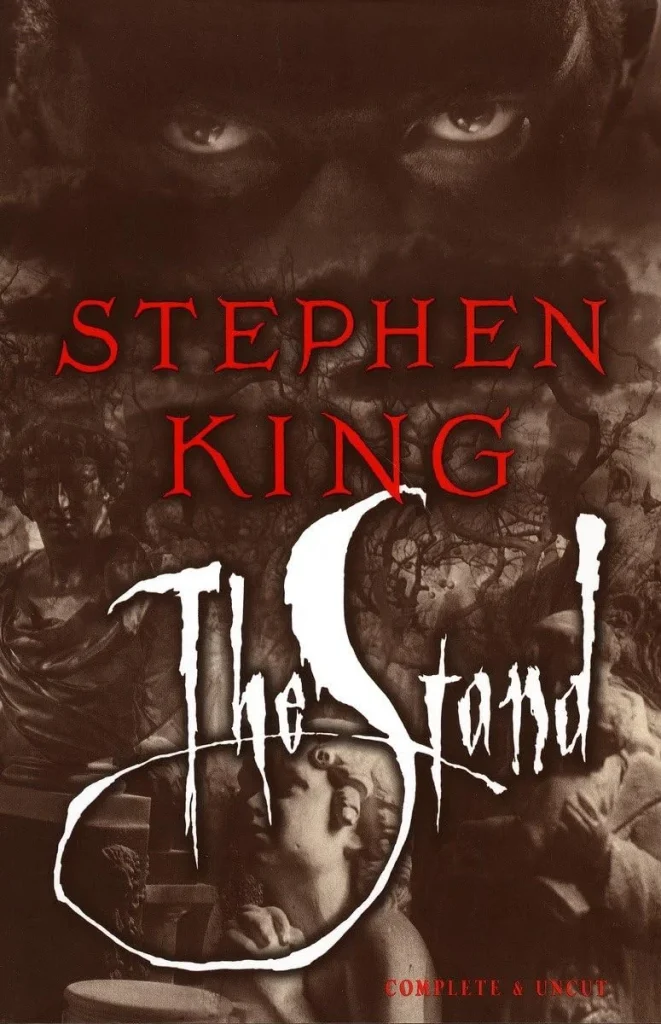
Often cited as the definitive entry in the genre, The Stand begins with a lab-error “superflu” that wipes out 99% of the world’s population. What follows is a massive, sprawling epic that transcends a mere survival story, evolving into a foundational battle between the forces of good and evil.
In the “Complete and Uncut” version, the world-building is incredibly dense. King masterfully tracks the breakdown of society in real-time, focusing on the small, terrifying details of a world suddenly gone silent. The survivors are eventually drawn to two figures: the saintly Mother Abagail and the “Dark Man,” Randall Flagg, setting the stage for a supernatural confrontation in the American West.
The Hunger Games (Book One)
By Suzanne Collins
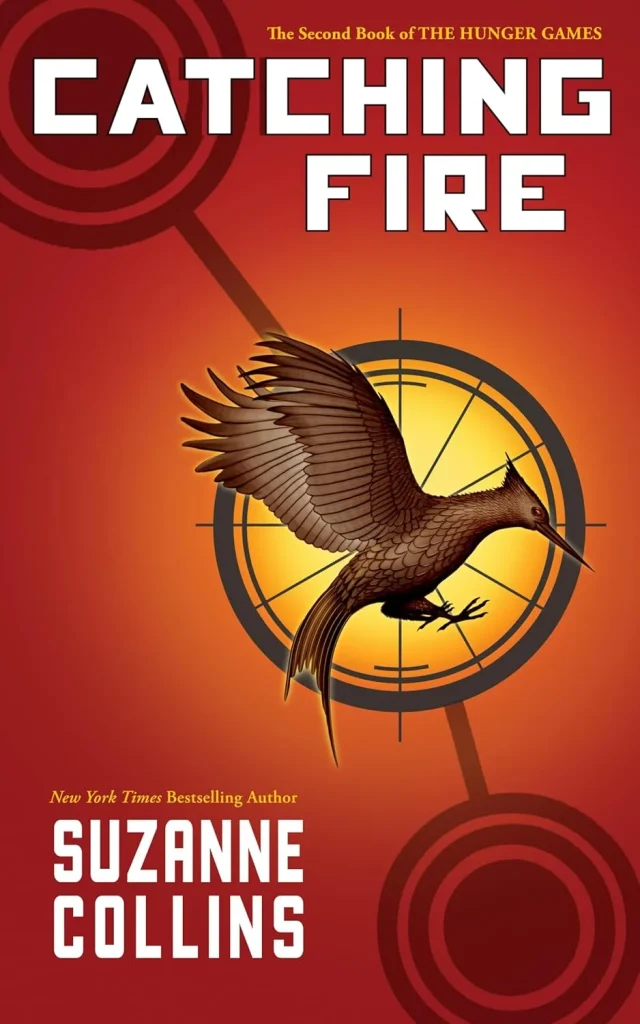
The book that defined a generation of dystopian fiction, The Hunger Games introduces us to Panem, a nation divided into twelve impoverished districts and a glittering, cruel Capitol. To maintain control, the Capitol forces two “tributes” from each district to fight to the death in a televised spectacle.
Katniss Everdeen is a compelling protagonist whose primary motivation is survival and family, not heroism. The novel is a sharp critique of media consumption, class disparity, and the desensitization to violence. It remains a high-stakes, emotionally resonant journey that manages to be both a page-turner and a serious exploration of systemic oppression.
Catching Fire (The Hunger Games Series)
By Suzanne Collins
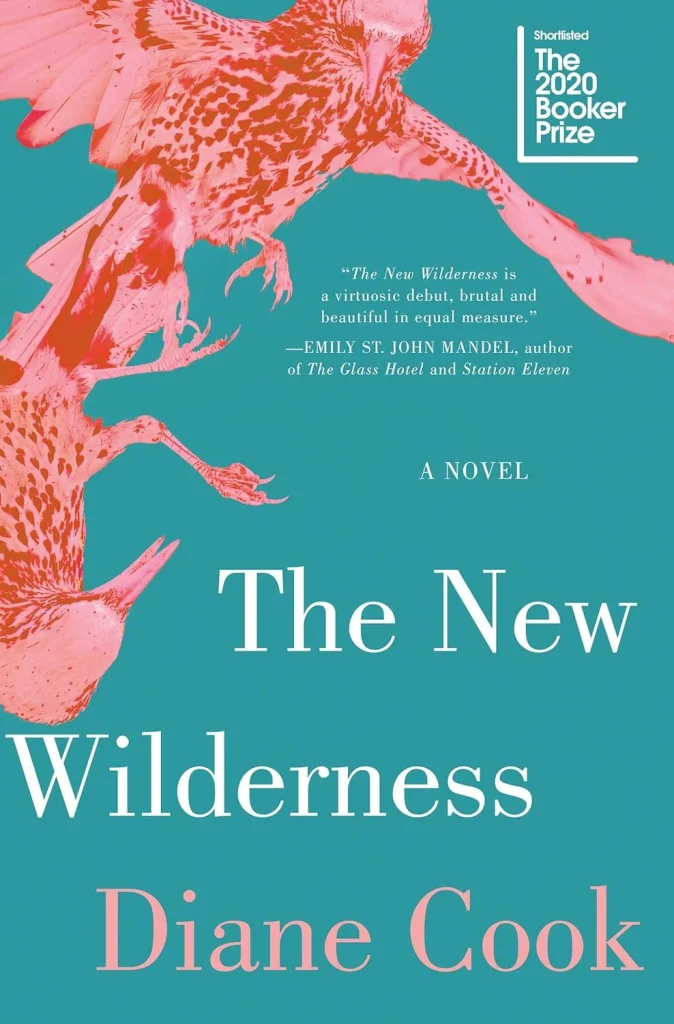
Following the events of the first book, Catching Fire raises the stakes by exploring the aftermath of defiance. Katniss and Peeta have survived the Games, but their “victory” has sparked a simmering rebellion across the districts. The Capitol, sensing a threat to its power, orchestrates a twist for the 75th Hunger Games that forces them back into the arena.
This sequel excels at broadening the scope of the world. It shifts from a story of individual survival to a narrative of political maneuvering and revolution. The psychological toll on the victors is explored with great depth, proving that even those who “win” the Games are permanently scarred by the system that created them.
The New Wilderness
By Diane Cook
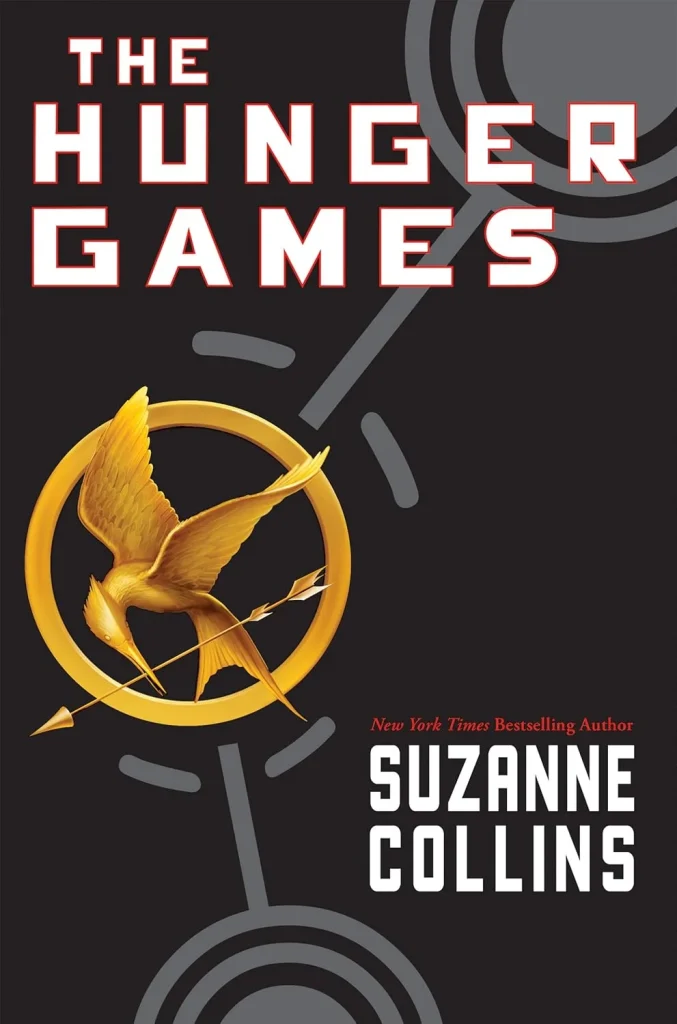
A more contemporary addition to the genre, The New Wilderness is a visceral look at environmental collapse and the primal bond between a mother and daughter. In a world where the City is overpopulated and polluted, a group of volunteers moves to “The Wilderness State,” the last patch of untouched land, to see if humans can still live off the grid without destroying their environment.
The writing is stark and unsentimental. It avoids the typical tropes of wasteland marauders, focusing instead on the internal politics of the group and the physical demands of a nomadic life. It is a haunting exploration of what we lose when we try to “return to nature” and whether the human instinct to dominate can ever truly be suppressed.
1984
By George Orwell
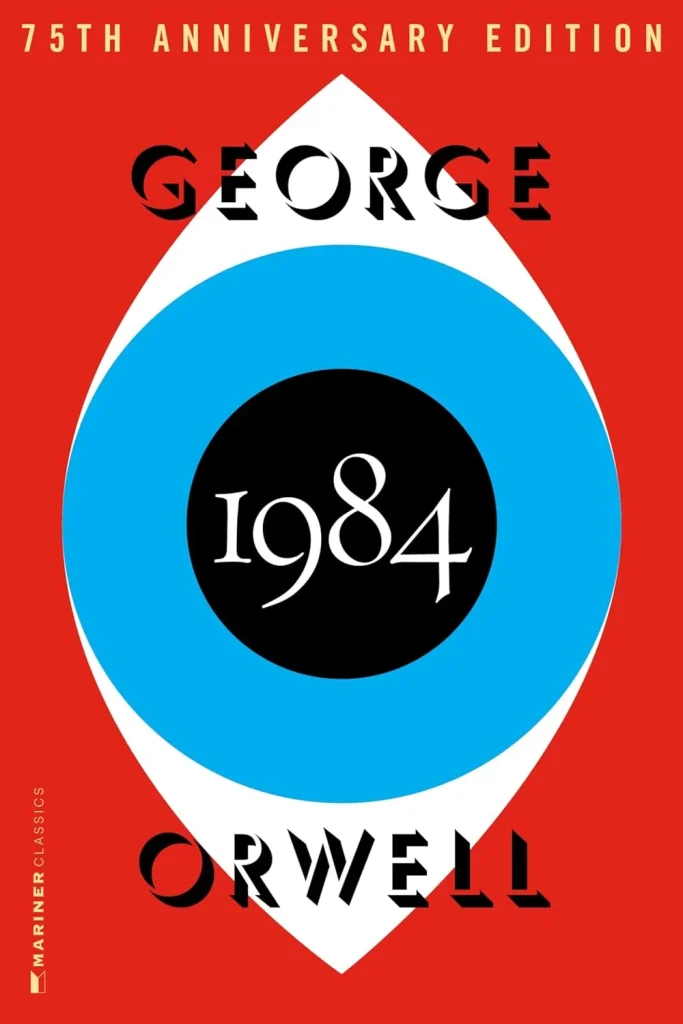
No list of the best apocalyptic books or dystopian literature is complete without 1984. While it leans more toward political dystopia than a traditional “post-apocalypse,” the world of Oceania is a mental and social wasteland. Winston Smith’s struggle against Big Brother remains the definitive warning against total surveillance and the erosion of objective truth.
The novel’s strength lies in its concepts: Newspeak, Doublethink, and the Ministry of Truth. Orwell’s depiction of a regime that controls not just your actions, but your very thoughts, is terrifyingly evergreen. It is a dense, philosophical work that continues to influence how we discuss privacy, language, and government overreach in the modern age.
Final Thoughts on Apocalyptic Literature
Whether it is the biological horror of The Stand or the psychological entrapment of 1984, these books challenge us to think about our own values. They remind us that while the infrastructure of our world may be fragile, the human drive to connect, rebel, and survive is remarkably durable. For any reader looking to explore the “what if” of a collapsed society, these five titles provide the perfect point of entry into the world of speculative fiction.

Leave a Reply