
5 Essential Books on Chinese History I Rely on for Context
Understanding the modern geopolitical and economic powerhouse that is China requires a deep look into its vast and tumultuous past. From its early tribal and dynastic beginnings to the turbulent decades of the twentieth century, the nation’s identity is defined by a deep sense of history.
Drawing from my background in economics and lifelong storytelling, I know that examining these historical touchstones offers invaluable lessons about how societies transform. Below are five outstanding books designed to help you easily grasp the complexities of Chinese history.
The 5 Best Books On Chinese History
1. The Tragedy of Liberation: A History of the Chinese Revolution 1945–1957
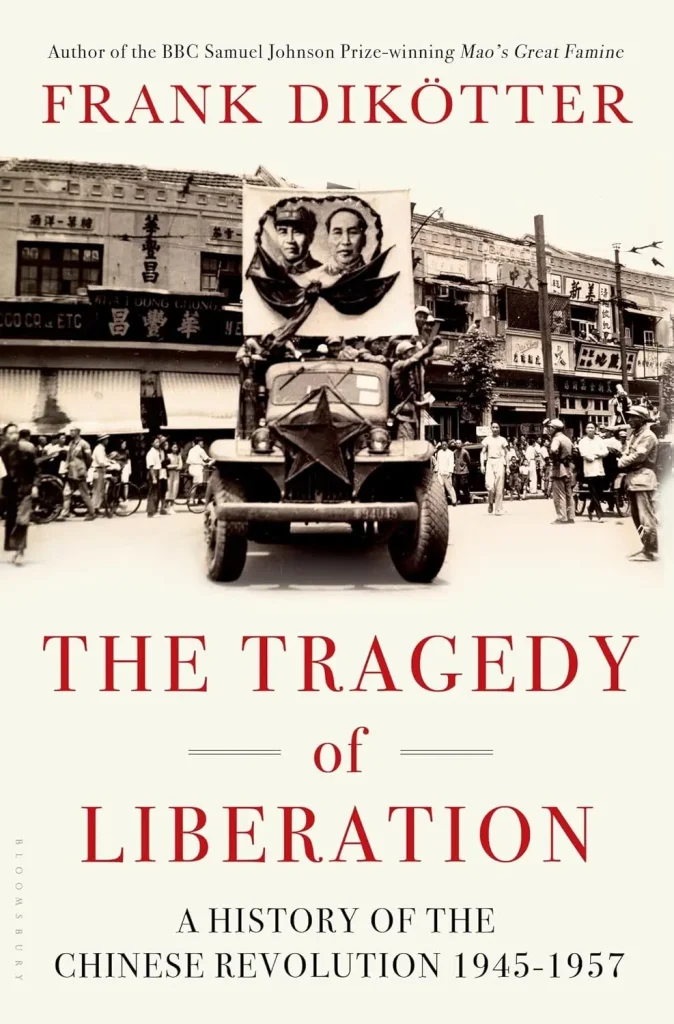
Author: Frank Dikötter
Publication Date: September 24, 2013
My Review
This groundbreaking historical study covers the establishment of the People’s Republic of China, when Mao Zedong and the Chinese Communist Party transformed the social and political order. Drawing on newly available archives, Dikötter documents how these early years laid the foundation for the decades of turmoil that followed.
It is essential reading for anyone seeking to understand the inner workings of the present political order, revealing how the early promise of liberation turned into calculated terror and systemic control.
2. Life and Death in Shanghai
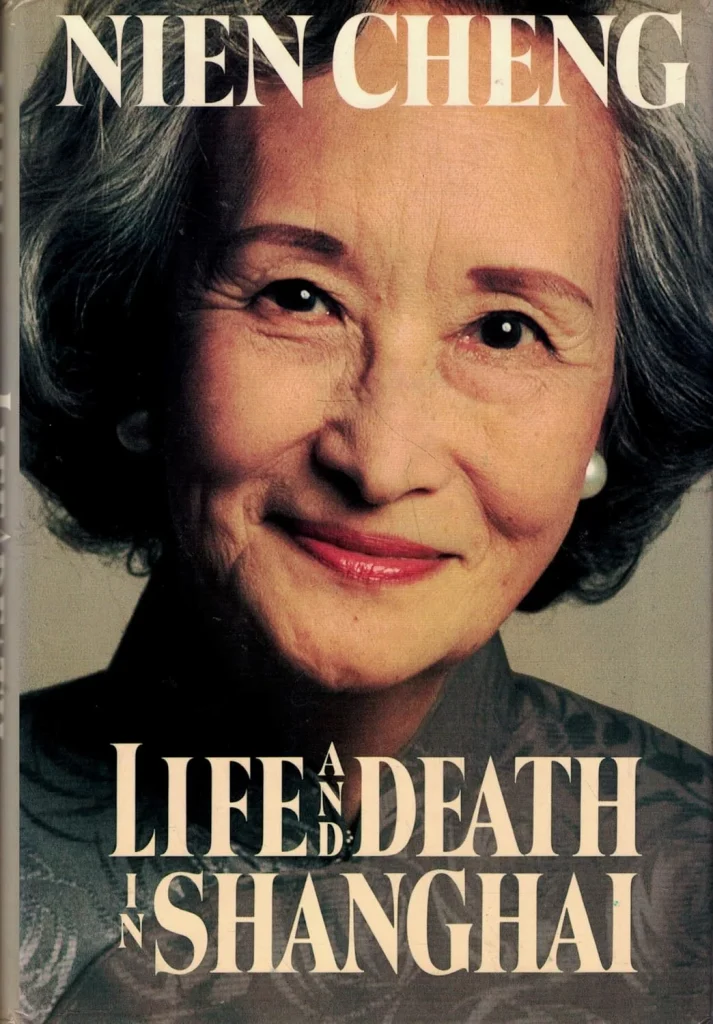
Author: Cheng Nien
Publication Date: December 14, 2010
My Review
A gripping eyewitness memoir that documents the terrifying years of the Cultural Revolution. Cheng Nien, an educated woman who worked for Shell Oil and had previously studied at the London School of Economics, refused to confess to being an enemy of the state. She was subsequently imprisoned in solitary confinement for more than six years.
This classic text is impossible to put down due to the author’s incisive writing and extraordinary courage, shedding light on the human cost of totalitarian history.
3. China: A History
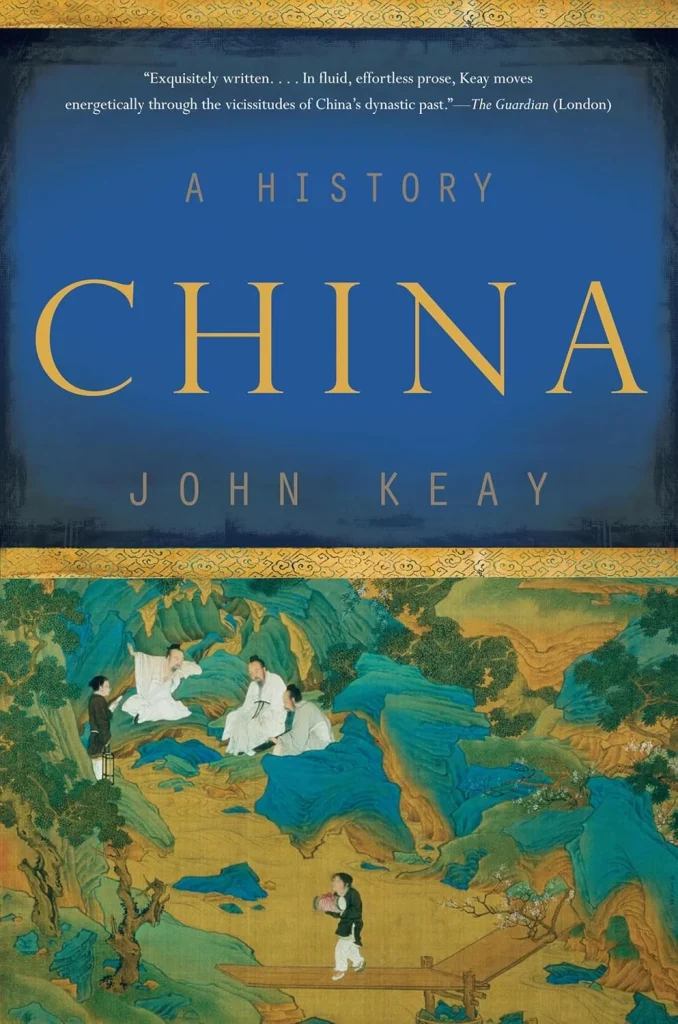
Author: John Keay
Publication Date: December 6, 2011
My Review
John Keay delivers a masterful, single-volume overview spanning five thousand years of history. From the early Three Dynasties through the rise and fall of the imperial era, to the transformation of the country under Mao Zedong and into the modern era, this book serves as an excellent foundational text.
What makes this book so effective for building a solid understanding is its crisp, judicious, and engaging prose. It avoids dense academic jargon while taking you through the key eras that shaped the nation’s worldview.
4. The Shortest History of China
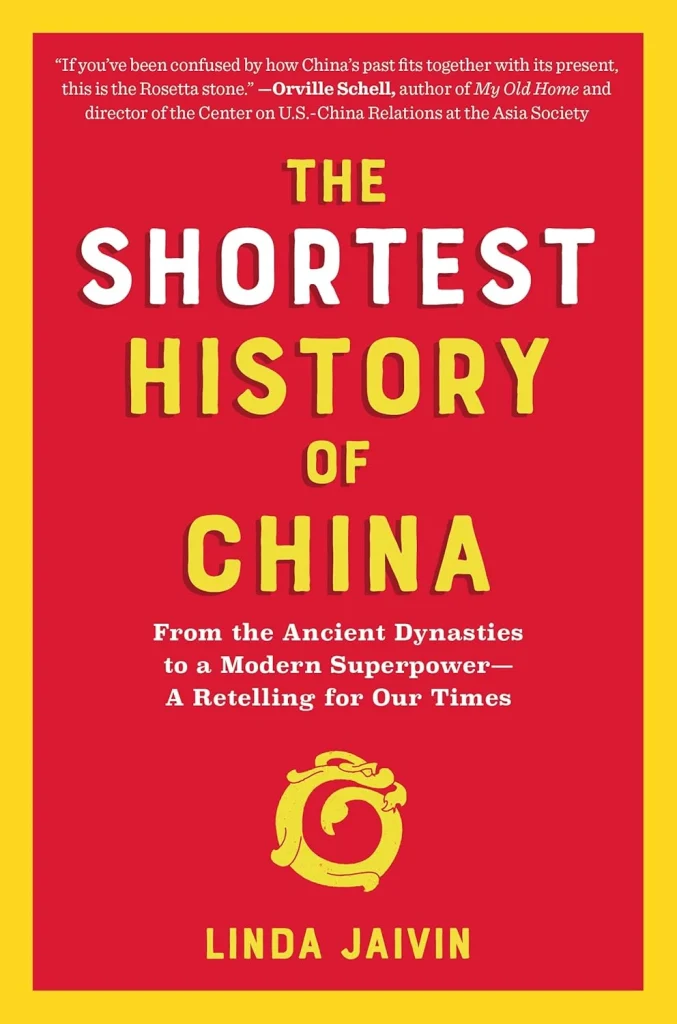
Author: Linda Jaivin
Publication Date: September 28, 2021
My Review
Part of the popular Shortest History series, this volume is an ideal, fast-paced read for those who want an engaging summary of thousands of years of culture and conflict. Jaivin traces the story from tribal origins through the imperial dynasties right up to the modern era under Xi Jinping.
It is highly effective for readers who want to understand the major events quickly but still want to explore specific social threads, such as the stories of women in China and the factors behind its political ups and downs.
5. The Silk Road: A New History
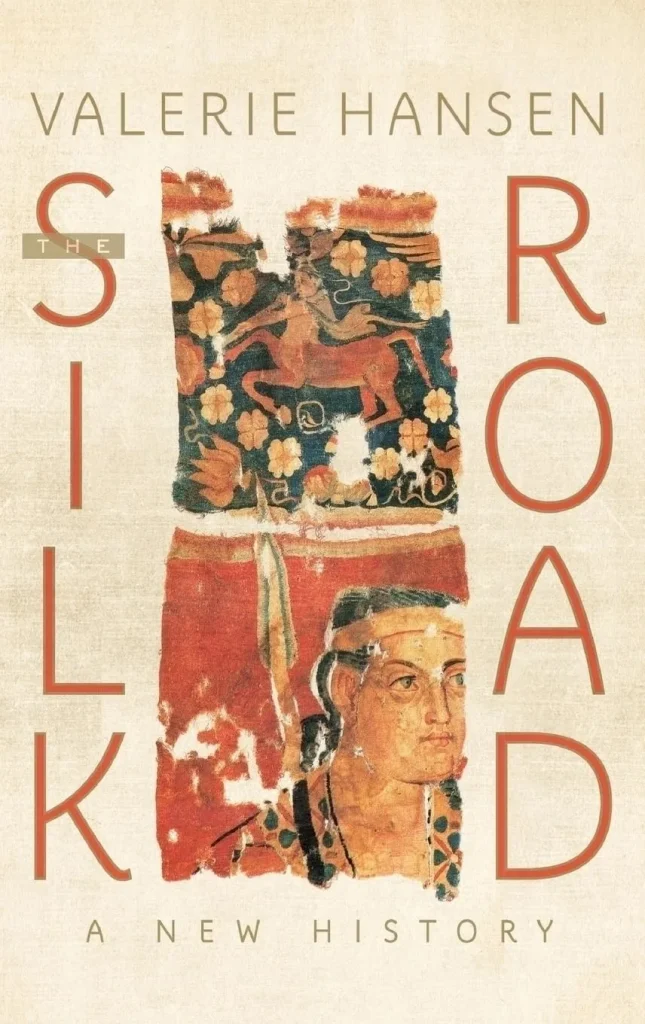
Author: Valerie Hansen
Publication Date: 2012
My Review
Moving beyond the classic, hazy image of camel caravans, Valerie Hansen brings the trade routes of Central Asia and China to life through modern archaeological discoveries.
The book is an incredible read because it highlights the cultural and technological exchange rather than simply focusing on the trading of silk. It shows how diverse peoples from east to west interacted, shared religious ideas, and influenced Chinese civilization across the centuries.
Affiliate Disclosure: As an Amazon Associate, I earn from qualifying purchases
Simple Strategies for Absorbing Comprehensive Histories
Tackling a complex historical subject doesn’t have to feel overwhelming. Applying the right habits to your reading routine helps to keep the narrative engaging and memorable:
- Follow a Chronological Timeline: Start with a broad overview like China: A History to act as a roadmap before diving into specific 20th-century memoirs.
- Focus on the Stories: Look at how political shifts affected ordinary people by reading firsthand accounts and memoirs.
- Keep Notes on Key Characters: The cast of historical figures is massive; jotting down names and timelines helps to prevent confusion.
- Take Bite-Sized Reading Periods: Read a chapter at a time, spending 20 to 30 minutes a day to properly reflect on the historical context.
Conclusion
Understanding Chinese history is a powerful way to make sense of the modern world. I hope these selections provide the perfect starting point for your exploration of this incredible nation.
Which of these illuminating histories will you be reading next?

Leave a Reply