
Best Books on Manipulation and Dark Psychology: With My Personal Take (2026 Updated)
I still remember my early days in banking — long meetings where persuasion wasn’t just a skill, it was survival. Deals were often less about numbers and more about psychology: who could read the room, steer the conversation, and influence the final “yes.” Over the years I realized manipulation — both good and bad — happens everywhere. At work, in relationships, even in sports locker rooms back from my cricket days.
That’s why I got fascinated by books on dark psychology. They don’t just reveal how others might try to manipulate you — they teach you how to defend yourself. And honestly, once you start learning these tactics, you see them everywhere.
The 5 Best Books on Manipulation and Dark Psychology
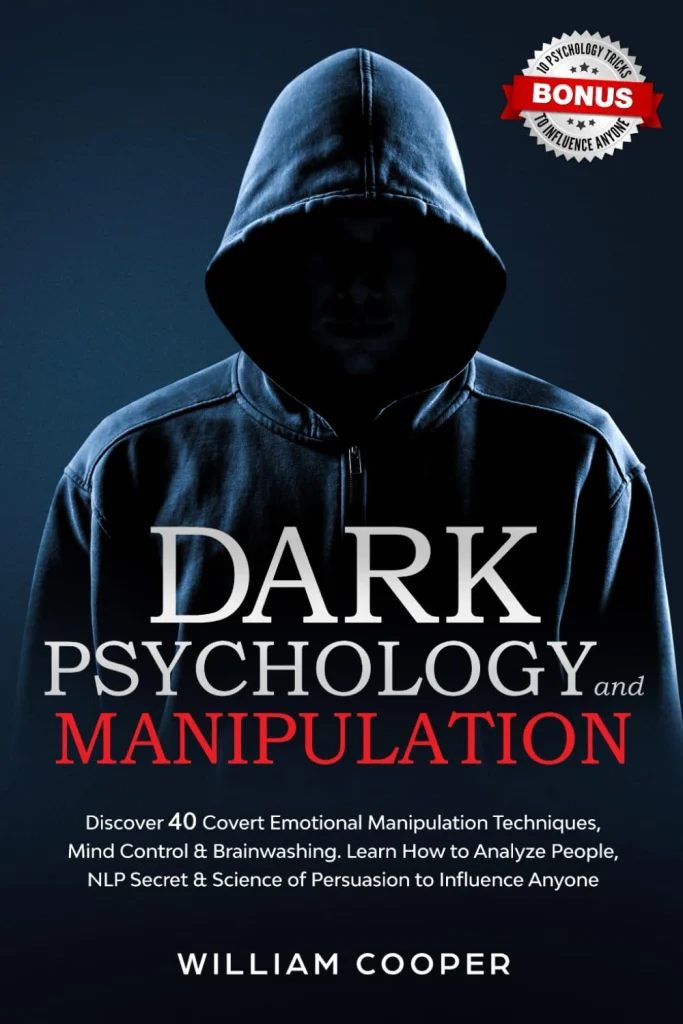
1. Dark Psychology and Manipulation — William Cooper
Best for: Spotting emotional manipulation and gaslighting in real life
This book is like a crash course in spotting hidden influence. Cooper breaks down emotional manipulation, gaslighting, and toxic relationship patterns in ways that feel both practical and unsettling. What struck me most was the section on “how to recognize a manipulator” — it read like a checklist of real people I have encountered over the years.
As someone who once dealt with a colleague who thrived on gaslighting, I found the boundary-setting techniques here liberating. Reading it reminded me of those stressful days and made me wish I had these tools back then. It is not about turning you into a manipulator — it is about giving you the confidence to push back when someone is trying to twist your reality.
What you will learn: 40 covert emotional manipulation techniques, how to identify gaslighting patterns in real time, boundary-setting frameworks that actually hold under pressure, and the psychological profile of manipulators across different contexts — romantic relationships, workplaces, and social circles.
Who this is for: Anyone who has ever walked away from a conversation wondering how they ended up agreeing to something they didn’t want. Also essential reading for anyone in a management or leadership role who needs to recognize manipulation within teams.
Why I recommend it first: Of all five books on this list, Cooper’s is the most immediately actionable. You can read a chapter and apply it the same day. The writing is accessible without being dumbed down — a rare combination in this genre.
2. The Complete Guide to Dark Psychology — 13-in-1
![The Complete Guide to Dark Psychology [13-in-1] 201 Science-Backed Techniques for Covert Influence, Manipulation, Brainwashing, Lie Detection, NLP, Mind...](https://whimsyread.com/wp-content/uploads/2025/08/The-Complete-Guide-to-Dark-Psychology-13-in-1-201-Science-Backed-Techniques-for-Covert-Influence-Manipulation-Brainwashing-Lie-Detection-NLP-Mind-683x1024.webp)
Best for: A comprehensive, science-backed reference covering every dimension of dark psychology
If the first book was a crash course, this one is a university syllabus. It is dense, evidence-based, and covers everything from NLP to lie detection to mental conditioning. What I appreciated most was that it did not glamorize manipulation — it framed it as psychology to understand, not a manual for misuse.
The body language and lie detection sections hit close to home. My son and I love watching detective shows together, and I caught myself testing the book’s tips during family movie nights. He laughed when I pointed out “see, that’s a microexpression of guilt!” — but later admitted he started noticing it too. Learning together made it less creepy and more like a shared superpower.
What you will learn: 201 science-backed techniques across covert influence, NLP, lie detection, mind control, brainwashing awareness, and mental conditioning. The 13-in-1 format means you get comprehensive coverage of every major dark psychology discipline in a single volume.
Who this is for: Readers who want depth over accessibility. This is the book you return to repeatedly as a reference rather than reading cover to cover once. Researchers, therapists, HR professionals, and anyone building a genuine understanding of psychological influence will find this the most comprehensive single resource available.
A note on format: Because of the density, I recommend reading this alongside rather than instead of Cooper’s book. Start with Cooper for the practical foundation, then use this for the theoretical depth.
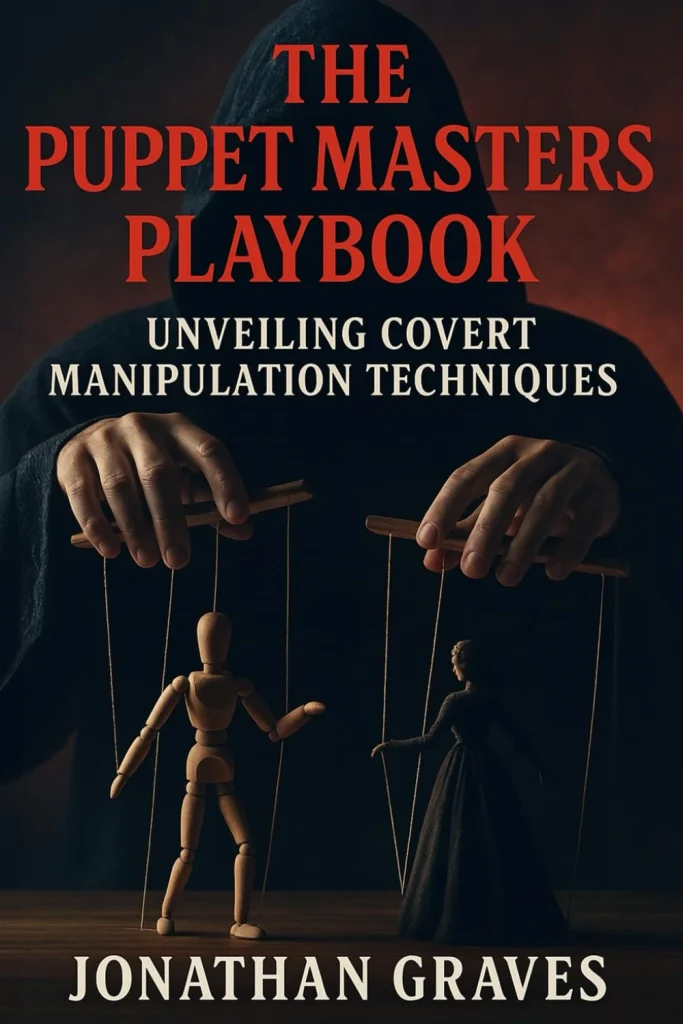
3. Dark Psychology and Covert Manipulation: The Puppet Master’s Playbook
Best for: Understanding how covert influence works from the inside out
This one reads like peeling back the curtain on a magic trick — suddenly you see how the illusion works. The “4 Laws of Covert Manipulation” fascinated me, especially the idea that real influence doesn’t feel forced at all. It feels like your idea.
It made me think back to theater rehearsals I used to love — when a director nudged us subtly and suddenly the whole cast delivered the emotion they wanted without realizing we were being guided. That is the art of influence at its finest. This book doesn’t just show you the tricks — it makes you hyper-aware of when they are being used on you.
What you will learn: The 4 Laws of Covert Manipulation and how each one exploits a different cognitive vulnerability, psychological warfare tactics used in both personal and professional contexts, the difference between persuasion and manipulation at the structural level, and how to audit your own behavior for unconscious manipulative patterns.
Who this is for: Readers who want to understand the mechanics of influence from the perspective of the person deploying it. This is the most uncomfortable book on the list — not because it is dark for shock value, but because it forces genuine self-reflection. You will recognize tactics you have experienced and some you have used yourself.
What makes it stand out: Most dark psychology books focus entirely on protecting yourself from others. This one also asks the harder question: where am I the one causing harm? That dual lens makes it uniquely valuable.
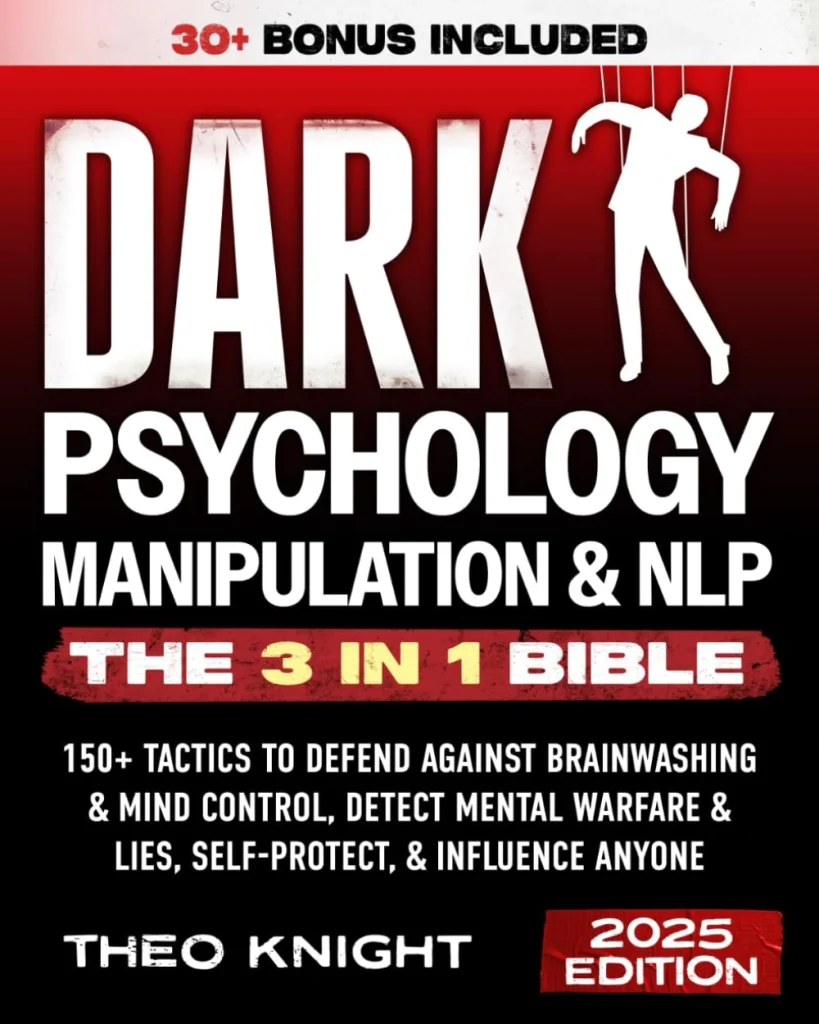
4. Dark Psychology, Manipulation & NLP — The 3-in-1 Bible
Best for: Practical self-defense against manipulation with real exercises
This book felt like the self-defense manual of the bunch. It dives into gaslighting, blame-shifting, and verbal traps — but what I loved was the chapter-end exercises. They are not just theory. You practice shutting down manipulation in real time.
As a dad of three I could not help but think about how I will teach my kids some of these skills — especially my daughter who is just entering her teen years. The world can be tricky, and if she learns how to recognize manipulative tactics early she will be better prepared than I ever was at her age.
What you will learn: 150+ tactics for defending against brainwashing and mind control, how to detect mental warfare in workplace and personal settings, NLP techniques used by manipulators and how to counter them, verbal self-defense scripts for common manipulation scenarios, and chapter-end exercises that build practical immunity rather than just theoretical knowledge.
Who this is for: Anyone who wants to move beyond understanding manipulation into actively practicing defense against it. The exercise format makes this the most practically useful book on the list for day-to-day application. Parents who want to teach their children psychological resilience will find this particularly valuable.
On the NLP component: NLP — Neuro-Linguistic Programming — is a controversial field. This book treats it honestly, presenting both its applications and its limitations. The manipulation-defense value is real regardless of where you stand on NLP’s broader scientific validity.
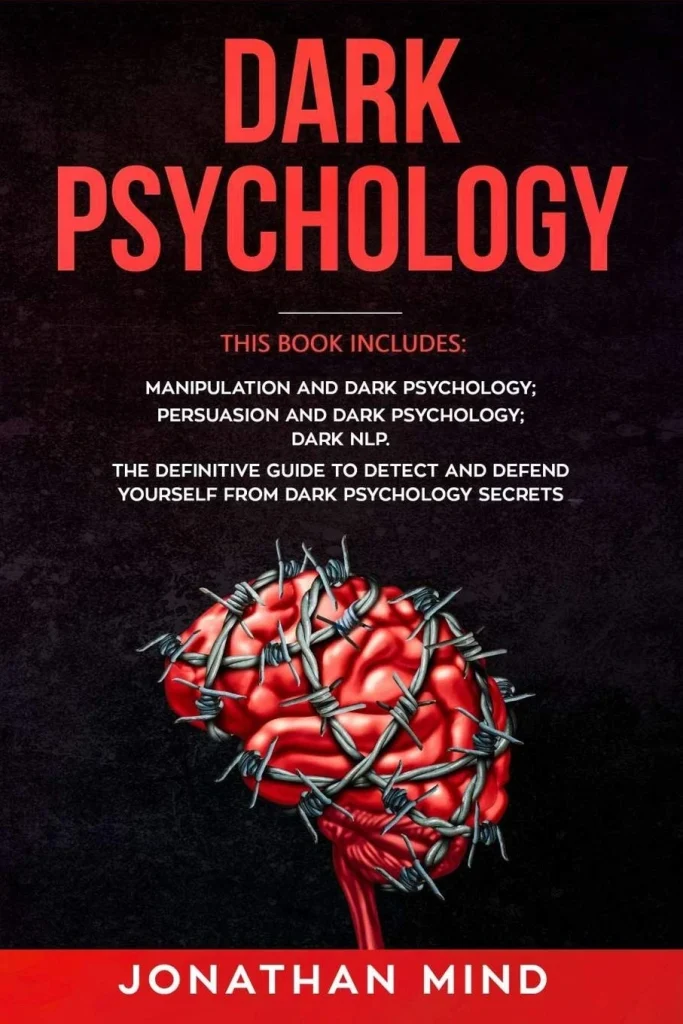
5. Dark Psychology: Manipulation, Persuasion and Dark NLP — 3-in-1 Edition
Best for: Understanding the philosophical line between influence and manipulation
This one takes a more philosophical approach, reminding us that everyone can manipulate but most of us choose not to. It digs into why toxic personalities do what they do and how victims often get targeted. The sections on body language and quick-reading people were especially practical.
I found myself nodding at the parts about persuasion not always being bad. Back in my banking days persuasion was part of the job — but the difference between influence and manipulation is intent. That distinction alone made this book worth it. It helped me reframe how I use persuasion in my SEO and content work today: guiding clients ethically, not coercing.
What you will learn: The philosophical and psychological distinction between persuasion and manipulation, why certain personality types are disproportionately targeted by manipulators, practical body language reading techniques for rapid behavioral assessment, and how the dark triad — narcissism, Machiavellianism, and psychopathy — manifests in everyday relationships rather than just clinical settings.
Who this is for: Readers who want the intellectual framework before the tactical tools. If you work in marketing, sales, leadership, or any field where influence is central to your role, this book will help you audit your own practice and ensure you are operating on the right side of the ethics line.
Why it works as the fifth book: After reading the previous four, this one resets the philosophical compass. It is the book that makes you better with everything you have already learned.
How to Choose the Right Book for You
Not everyone needs all five. Here is a quick guide based on where you are starting from:
If you are completely new to dark psychology: Start with Dark Psychology and Manipulation by William Cooper. It is the most accessible and immediately actionable entry point on this list.
If you have been manipulated and want to understand what happened: Start with The Puppet Master’s Playbook. It reconstructs the mechanics of what was done to you in language that turns confusion into clarity.
If you want to protect yourself going forward: Start with The 3-in-1 Bible. The practical exercises give you tools you can deploy immediately.
If you want deep research and reference material: Start with The Complete Guide to Dark Psychology 13-in-1. It is the most comprehensive single resource available.
If you work in leadership, marketing, or sales: Start with the 3-in-1 Edition on Manipulation, Persuasion and Dark NLP. The ethics framework it builds is directly applicable to professional influence work.
Personal Reflection
Reading these books was less about learning to control others and more about reclaiming control for myself. I have been manipulated before — at work, in friendships, even while buying things I did not really need. These books did not just give me tools. They reminded me of my own blind spots.
And surprisingly they sparked some genuinely fun family conversations. My son testing lie-detection cues during movie nights. My wife rolling her eyes when I start reading her body language at dinner. My daughter asking questions about the teenage social dynamics she is navigating that I was completely unprepared for at her age. These books opened conversations our family might never have had otherwise.
The real value of studying dark psychology is not power over others. It is clarity about yourself — why you say yes when you mean no, why certain people drain you, why some conversations leave you feeling like you have lost something you cannot name. That clarity is worth far more than any manipulation tactic.
Frequently Asked Questions
What is dark psychology?
Dark psychology is the study of the psychological tactics people use to influence, manipulate, or control others — often covertly and without the target’s awareness. It encompasses techniques like gaslighting, emotional manipulation, NLP misuse, blame-shifting, and covert persuasion. Studying dark psychology is primarily used defensively — to recognize and resist manipulation rather than to deploy it.
Is it ethical to read books on dark psychology and manipulation?
Yes. Understanding manipulation is fundamentally defensive knowledge. The same way learning about scams helps you avoid them, learning about psychological manipulation helps you recognize it in real time and protect yourself. All five books on this list frame their content defensively — none of them are manipulation instruction manuals.
What is the best book on dark psychology for beginners?
Dark Psychology and Manipulation by William Cooper is the most accessible starting point — it covers emotional manipulation and gaslighting in plain language without requiring any prior psychology knowledge. It is the book I recommend to anyone encountering this subject for the first time.
What is gaslighting and which book covers it best?
Gaslighting is a manipulation tactic where someone causes you to question your own memory, perception, or sanity — making you doubt what you know to be true. Both William Cooper’s book and The 3-in-1 Bible cover gaslighting in depth, with Cooper’s being the more accessible introduction and the 3-in-1 providing more advanced counter-tactics.
Can these books help with workplace manipulation?
Absolutely. Several chapters across these five books address specifically professional manipulation — toxic management tactics, credit-stealing, blame-shifting, and the kind of subtle influence that shapes corporate culture. The Complete Guide to Dark Psychology 13-in-1 has the most comprehensive workplace application, while Cooper’s book is the most immediately practical for day-to-day professional situations.
What is NLP and how does it relate to manipulation?
NLP — Neuro-Linguistic Programming — is a set of techniques based on the idea that language patterns and behavioral cues can be used to influence how people think and feel. When used ethically it is a legitimate communication framework. When misused it becomes a manipulation tool. Books 4 and 5 on this list cover NLP in the context of both recognizing its misuse and deploying it defensively.
Are there dark psychology books suitable for teenagers?
Dark Psychology, Manipulation & NLP — The 3-in-1 Bible (Book 4) is the most suitable for older teenagers — the practical exercise format and clear defensive framing make it appropriate for young adults building their psychological awareness. I am planning to read parts of it with my own daughter as she navigates her teen years.
Do these books overlap significantly?
There is some conceptual overlap — gaslighting, NLP, and covert manipulation appear across multiple titles. But each book approaches these topics from a genuinely different angle: Cooper is practical and immediate, the 13-in-1 is academic and comprehensive, the Puppet Master’s Playbook is mechanistic and uncomfortable, the 3-in-1 Bible is exercise-based and defensive, and the final book is philosophical. Reading all five builds a layered understanding that no single book provides alone.
Final Verdict
If you have ever walked away from a conversation thinking — “wait, how did I end up agreeing to that?” — these books are for you. They do not just reveal the dark side of human psychology. They help you build resilience, awareness, and what I can only describe as a permanently upgraded ability to read a room.
Start with William Cooper if you want the fastest practical payoff. Read all five if you want the complete picture.
What about you? Have you ever spotted manipulation in action — at work, in politics, or even in your own family? I would love to hear your stories in the comments below.

Leave a Reply